x




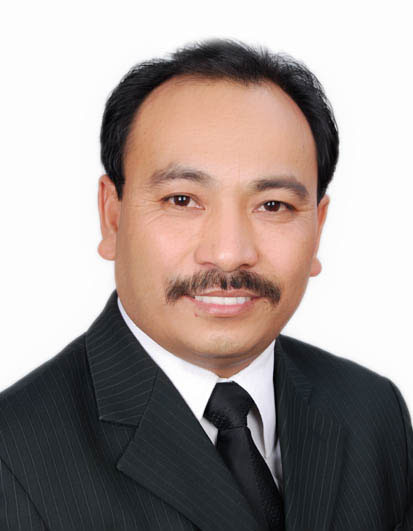
When the second wave of Covid wreaked havoc in India, leading to an extreme shortage of medical equipment and hospital infrastructure, the crypto community turned to help. Indian crypto entrepreneur and co-founder of Ethereum Polygon (formerly Matic) second-tier scaling solution Sandeep Nailwal launched a cryptocurrency relief fund. The Relief Fund was created in April and has received significant international support, with the most notable donation coming from Ethereum co-founder Vitalik Buterin himself.
Buterin donated 50 trillion Shiba Inu coins from his wallets, which were donated by the creators of Shiba Inu during the launch of the meme coin to gain attention. At the time of Buterin's donation, the total value of the donated meme token was about $ 1 billion. Since then, however, the price has dropped more than 50%, and the value of Buterin's donation has dropped to $ 400 million.
Many other sports celebrities, including Brett Lee and Patt Cummins, have also donated cryptocurrency to the fund.
80% of the Assistance Fund is liquidated
The relief fund faced several obstacles in liquidation due to regulatory uncertainty and India's Foreign Contributions Regulation Act. The creators had to first liquidate the tokens in US dollars and then in Indian rupees. In a recent interview with Bloomberg, Nailwal said that nearly 80% of the funds have been liquidated so far.
A total of $ 20 million has been donated to help with the coronavirus, and another $ 20 million is still in development. The creators of the project are working tirelessly to ensure that India does not face a similar situation, as the third wave is expected soon. Nailwal said they are wary of payments due to regulatory hurdles and also promised to provide independent audit reports to ensure transparency.
The main focus of the project was on reaching the grassroots level, where there were not enough medical facilities. The project creates small ICU beds with ICU beds and much more. Difficulties in liquidating funds highlighted the need for better regulation in the country and how this could hinder new business.