
x
Black Bar Banner 1
x

NEW: About Me Look — turn on a full-width dark About Me from your profile Configuration (Profile Page Upgrade). The Academy, profile feeds and Media Feed now read like the News Feed. See Subscriptions »

New: AI Blog Autopilot — free for the next 30 days. Switch it on by November 15th »

NEW: Smart Mail is live — free for every member. Send broadcasts, build lists and run autoresponders. Open Smart Mail »

New training: The Campaign Map. Watch it now »

A+ A−
Ads by Markethive - View All
The Blog Feed
The Blog Feed
» Blog Feed
Write a New Blog Post
Search Blog Status
Most Viewed
Most Recent
Most Shared
Alphabetical
Markethive Blog (default)
My Blog Posts
Friends' Blogs
Blog Categories
All
Advertising
Blockchain & Cryptocurrency
Business Development
Diet & Weight Loss
Environmental
Health and Wellness
History and Culture
Home and Garden
Marketing
Mentoring & Training
Money & Finance
Other
Political
Prayer & Religion
Programming & Technical
Real Estate
Search Engine Optimization
Social Media
Spirituality
Sports & Recreation
Transport
Travel & Events
Website Design
Blogging Tools & Assets
My Blog Info
Members Subscribed to You
Blogs You Are Subscribed To
Website Widget
Wordpress Plugin
Subscribe for Greater Services
Subscribe to one of many subscriptions, each one includes the previous ones.. Unlock powerful tools, advance features, to build a powerful reach.

Botswana to Mozambique: Why Africans Trust Japanese Used Cars

Posted by Jaykant Patil on December 15, 2025 - 6:12am


Introduction

Ever wondered why Japanese vehicles are so common—not just in Kenya or Tanzania—but across diverse African landscapes like Botswana and Mozambique? From bustling Gaborone streets to Mozambique’s coastal roads, Japanese used cars are a trusted mobility solution. Affordably priced, reliable, and easy to maintain, these vehicles are increasingly the go-to choice across the region. Whether you're a transportation analyst, auto trade journalist, or consumer advocate, this exploration provides insights, data, and link-worthy takeaways on a rising regional trend.

Regional Market Dynamics — Botswana & Mozambique

In Botswana, the preference for Japanese used cars is clear. In Q4 of 2024, they accounted for 64% of all vehicle registrations and a staggering 83.2% of used vehicle registrations. Overall, 76.7% of all new registrations were used vehicles, with Japanese-made ones leading the pack Mmegi Online. Moreover, a remarkable 99.6% of imported cars in Botswana are used vehicles, most originating from Japan businessweekly.co.bw+2Wikipedia+2.

Over in Mozambique, Japanese models—especially Toyotas—dominate the roads. Due to the country's regulatory environment, imported vehicles must go through an Intertek pre-inspection in Japan and face customs duties up to 84% of CIF plus $650 in port fees Wikipedia+1.

Together, these markets illustrate a regional pattern: while regulations differ, buyers prioritize proven reliability, availability, and price, making Japanese used cars the preferred option.

What Makes Japanese Used Cars So Trusted?

1. Reliability & Maintenance

Japanese vehicles are built to last, with rigorous inspection systems like Shaken, and frequent turnover in the domestic fleet. This means the cars that leave Japan are typically well-maintained with clear maintenance histories Wikipedia.

2. Affordability

Import duties and taxes make brand-new vehicles expensive for many African buyers. Even with additional costs, Japanese used cars remain significantly cheaper, offering better value—especially for cost-conscious markets like affordable cars Africa or first-time buyers in buy second-hand cars segments Focus2Move+8Business Insider Africa+8YouTube+8.

3. Parts & Resale Value

Toyota, Mazda, Honda, and Nissan—brands built for longevity—have strong spare parts networks in Southern Africa and robust resale markets. This makes Japanese models a smarter investment for long-term ownership.

Raising the Regional Bar — Checklist for Buyers & Content Creators

This checklist offers reference-worthy insight for readers or external sites discussing regional vehicle buying:

  • Check vehicle age restrictions:
     
    • Mozambique: Pre-inspection required; high imports duties (~84% CIF + ~$650 port fees) Quartz+1Wikipedia.
       
    • Botswana: No age restriction, but high import volume reflects market confidence.
       
  • Assess maintenance infrastructure:
     
    • Vehicle makes like Toyota, Mazda, Honda are common and supported with parts and service.
       
  • Evaluate pricing dynamics:
     
    • Compare total cost of ownership vs. new, local alternatives under “affordable cars Africa” theme.
       
  • Track registration patterns:
     
    • Botswana: Used registrations dominate (76.7% of total) and Japanese cars account for 83.2% of those WikipediaBusiness Insider Africa+3businessweekly.co.bw+3Market Data Forecast+3Quartz+3Mmegi Online+3businessweekly.co.bw+3.
       
  • Watch policy changes:
     
    • Shifts in import rules or environmental restrictions could affect future trends; Djibouti-style restrictions or Kenya’s radiation screening are examples to monitor Quartz.
       

These practical insights increase the article’s utility and backlink appeal for transport policy pages, auto industry analyses, or regional business blogs.

Subtle Spotlight—Why UFS Auto Matters

While keeping the tone informational, you can naturally reference trusted service providers like UFS Auto:

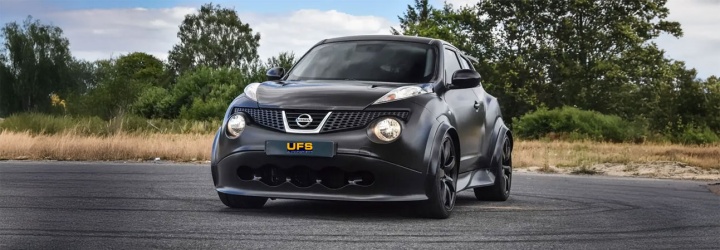
  • “In markets like Botswana and Mozambique, trusted resellers like UFS Auto support buyers with documentation, quality checks, and import compliance.”
     
  • “By aligning with regional trends, UFS Auto ensures reliable sourcing of Japanese used cars with clear inspection histories—especially valuable for consumers navigating complex import duties.”
     
  • “When looking for financing or post-sale support, selecting partners familiar with local market needs—such as UFS Auto—helps buyers get the most from their investment.”
     

Mentioned in this way, the brand reinforces the narrative without veering promotional, lending credibility to the topic.

What This Trend Means for Africa's Mobility Landscape

  • Expanding access to private vehicles: Used imports fill a vital gap where public transit is limited.
     
  • Stimulating regional economies: Imports fuel related sectors—insurance, repairs, financing—making transport more accessible.
     
  • Urban planning considerations: As private ownership grows, cities will need to adapt infrastructure and emissions policy.
     
  • Future alternatives: While EVs remain nascent, pressure to manage emissions could lead countries like Kenya or Rwanda to implement age-based import limits—shifting market dynamics Japanese Car Trade Blog+3businessweekly.co.bw+3YouTube+3Zulfiqar Motors+1vox.com+1.
     

Understanding these shifts helps policymakers, journalists, and analysts frame long-term mobility strategies in the region.

Conclusion

From Botswana’s streets to Mozambique’s highways, Japanese used cars are the trusted engine behind African mobility. Driven by reliability, affordability, and a supportive secondary market, they're reshaping transport across borders. For content creators or researchers, this regional narrative offers rich, linkable insights—from buyer checklists to market data and policy impact. And for those aiding mobility seekers, working with knowledgeable partners—like UFS Auto—means navigating this landscape with clarity and confidence.