x




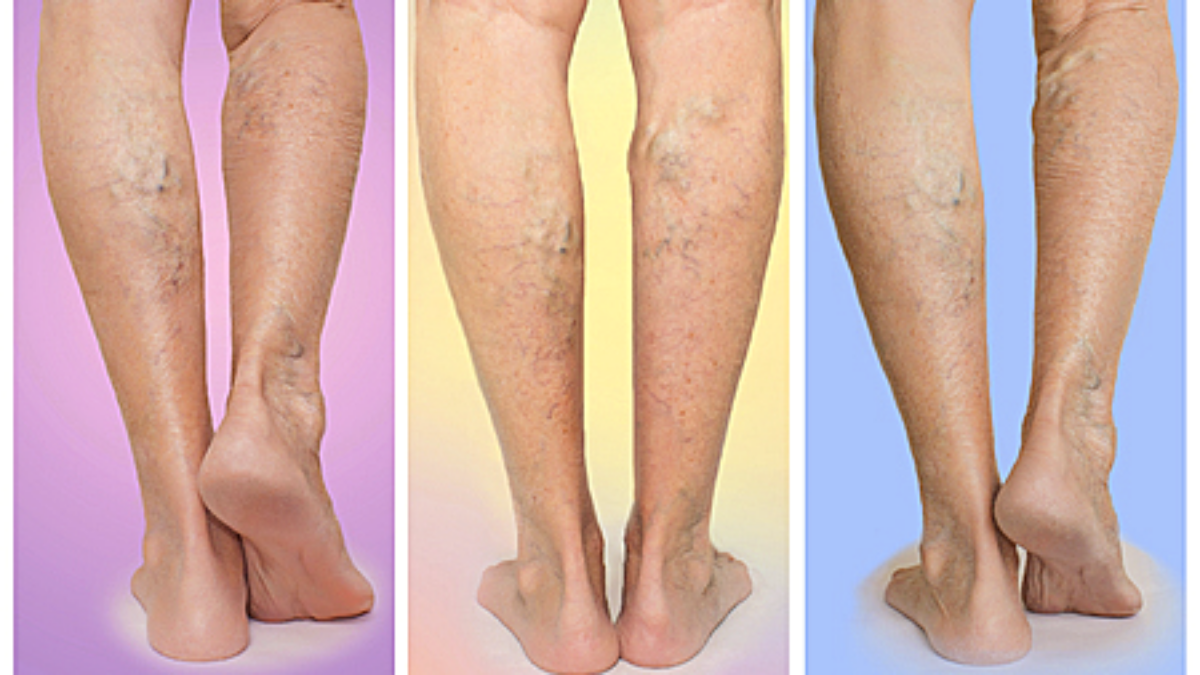
Market Overview:
The Peripheral Artery Disease Market is experiencing rapid expansion, driven by Aging Population Impact, Technological Advancements Surge, and Growing Awareness Initiatives. According to IMARC Group's latest research publication, "Peripheral Artery Disease Market: Global Industry Trends, Share, Size, Growth, Opportunity and Forecast 2025-2033", The global peripheral artery disease market size was valued at USD 4.89 Billion in 2024. The market is projected to reach USD 7.74 Billion by 2033, exhibiting a CAGR of 4.98% from 2025-2033
This detailed analysis primarily encompasses industry size, business trends, market share, key growth factors, and regional forecasts. The report offers a comprehensive overview and integrates research findings, market assessments, and data from different sources. It also includes pivotal market dynamics like drivers and challenges, while also highlighting growth opportunities, financial insights, technological improvements, emerging trends, and innovations. Besides this, the report provides regional market evaluation, along with a competitive landscape analysis.
Download a sample PDF of this report: https://www.imarcgroup.com/peripheral-artery-disease-market/requestsample
Our Report Includes:
Growth Factors in the Peripheral Artery Disease Industry:
Furthermore, population aging will push the demand for PAD care higher, as general cardiovascular health and function decline with age, and more people are faced with narrowing of the arteries and reduced blood flow later in life. This trend leads to a greater demand for diagnostic testing, lifestyle modification, and interventional devices. To decrease associated complications such as limb ischemia and mobility restrictions, physicians are turning to early screening of hospitalized patients. Many governments are trying to change the way chronic vascular diseases are treated in their populations. The oldest portion of the population is the fastest growing population in every region of the world. Consequently, demand is high for PAD treatments ranging from minimally intrusive devices to chronic disease management programs in developed and emerging markets.
Continuing medical technology innovations have transformed the way PAD is diagnosed and treated, with new generation vascular devices improving their navigation and precision, along with an increase in endovascular process safety. Together with real-time imaging guidance, microcatheters, compliant balloons, bioengineered coating products, and next-generation surface coatings, these developments are enabling physicians to treat more complex lesions and achieve better clinical outcomes with less inflammation and improved long-term healing after Percutaneous coronary intervention. As analytics platforms using AI become widely adopted by hospitals, physicians can now choose stents and balloons tailored to a patient's anatomy at the individual level. With manufacturers shortening device innovation cycles, advanced PAD solutions are becoming more popular in treatment centers across the globe.
Public health campaigns and education in medicine increase the chances that PAD is diagnosed sooner, thereby preventing complications. These groups also raise awareness of PAD risk factors, including smoking, diabetes mellitus, hypertension, and hyperlipidemia, in turn leading to a higher rate of PAD diagnosis. As primary care physicians become more educated on diagnostic modalities, and community outreach programs, internet campaigns, and preventive-care programs raise awareness and prompt high-risk populations to visit clinicians, the number of patients diagnosed at an earlier stage in development will increase. This is driving the growth of the market for diagnostic devices and treatment of PAD.
Key Trends in the Peripheral Artery Disease Market
These advanced endovascular platforms are becoming more common as there is an increasing demand by providers for a simpler and higher-rate success technique which combines superior catheter steerability, digitized visualization and improved device compatibility to create a meaningful treatment of long- and multilevel disease. The advent of hybrid surgical suites easing a smooth transition from diagnostic imaging to intervention, and integrated, highly-optimized endovascular technology, may be the future of PAD management.
The combination of mechanical dilation and drug delivery is expected to grow strongly. Devices with new drug carriers, controlled release and vessel healing have been introduced for the subset of lesions that are difficult to treat. These combination devices are associated with a more predictable healing reaction and a lower need for re-operation. With further clinical research, combination therapy devices are likely to become the standard of care for long-term management of PAD.
PAD management is moving from standard clinic visits for PAD assessment towards continuous monitoring and care. Wearable vascular health sensors, remote monitoring systems and digital health risk management apps enable clinicians to monitor PAD symptoms and blood flow remotely. Furthermore, as exercise therapy and lifestyle modification rehabilitation programs are increasingly incorporated into standard care for PAD, there is potential for further collaboration between the device manufacturers, the digital health sector and health systems on the provision of holistic, preventive and long-term care for PAD patients.
The peripheral artery disease market forecast offers insights into future opportunities and challenges, drawing on historical data and predictive modeling.
Leading Companies Operating in the Global Peripheral Artery Disease Industry:
Peripheral Artery Disease Market Report Segmentation:
By Type:
Peripheral stents represent a significant segment as they provide structural support to maintain vessel patency following angioplasty procedures.
By End User:
Hospitals account for the majority of the market share due to their comprehensive vascular care facilities and availability of specialized interventional teams.
Regional Insights:
North America's dominance in the peripheral artery disease market is attributed to the aging population, high prevalence of risk factors including diabetes and obesity, advanced healthcare infrastructure, and widespread adoption of innovative treatment technologies.
Note: If you require specific details, data, or insights that are not currently included in the scope of this report, we are happy to accommodate your request. As part of our customization service, we will gather and provide the additional information you need, tailored to your specific requirements. Please let us know your exact needs, and we will ensure the report is updated accordingly to meet your expectations.
About Us:
IMARC Group is a global management consulting firm that helps the world’s most ambitious changemakers to create a lasting impact. The company provide a comprehensive suite of market entry and expansion services. IMARC offerings include thorough market assessment, feasibility studies, company incorporation assistance, factory setup support, regulatory approvals and licensing navigation, branding, marketing and sales strategies, competitive landscape and benchmarking analyses, pricing and cost research, and procurement research.
Contact Us:
IMARC Group
134 N 4th St. Brooklyn, NY 11249, USA
Email: sales@imarcgroup.com
Tel No:(D) +91 120 433 0800
United States: +1–201971–6302