x




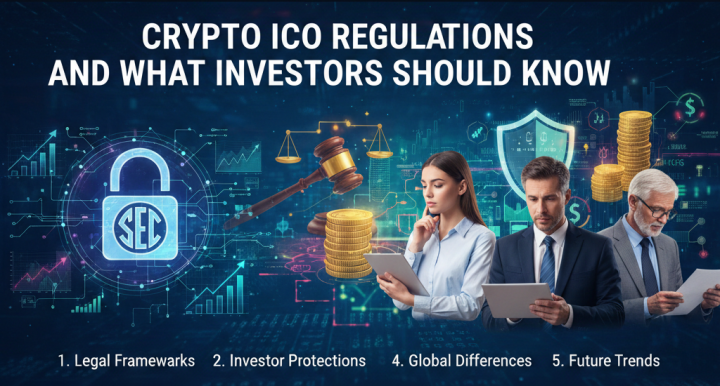
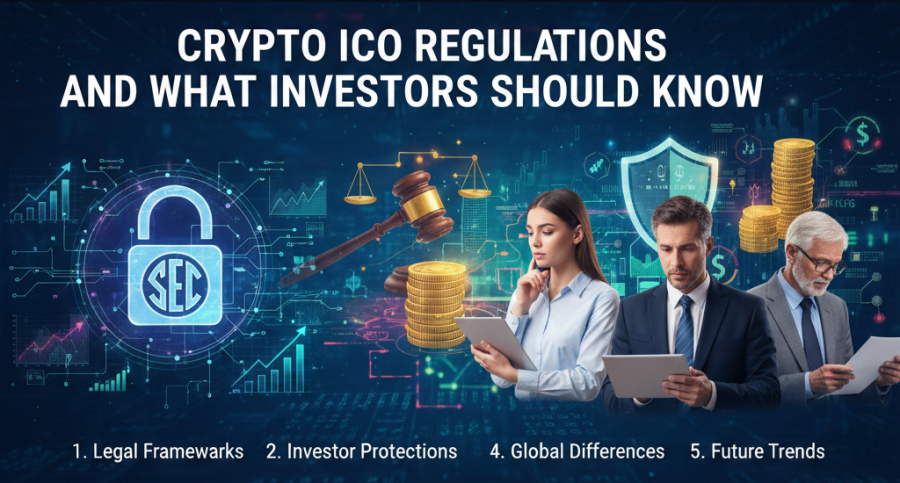
The world of cryptocurrency offers many ways to invest, and one of the most popular methods is through early-stage token sales. These sales allow investors to support new blockchain projects before they become widely known. While this can bring high rewards, it also comes with serious risks. That is why understanding rules and safety measures is very important.
For anyone exploring Crypto ico opportunities, regulations play a big role in protecting investors. Without proper rules, scams and fake projects can easily appear. Learning how regulations work helps investors make smarter and safer decisions in the fast-moving crypto space.
An ICO, or Initial Coin Offering, is a way for blockchain projects to raise money. Instead of selling company shares, they sell digital tokens. These tokens may give access to a platform or future services.
ICOs became popular because they allow startups to raise funds quickly from people around the world. Investors like ICOs because they offer a chance to buy tokens at a low price before public trading begins.
In the early days, ICOs had almost no rules. Anyone could launch a project and collect money. This led to many scams where people lost their savings.
Regulations help in:
Protecting investors from fraud
Making projects more transparent
Ensuring fair marketing practices
Reducing money laundering risks
Without regulations, the crypto market becomes unsafe for beginners.
Each country treats ICOs differently. Some countries allow them with strict rules, while others ban them completely.
In countries like the United States, ICOs are often treated as securities. Projects must follow financial laws and register with authorities. In the European Union, rules focus on investor protection and data safety.
In India, ICOs are in a gray area. There is no clear legal framework yet, so investors must be extra careful and rely on personal research.
Before investing in any ICO, always review these points:
Project Whitepaper
This document explains the project’s goal, technology, and token use. A strong whitepaper shows serious planning.
Team Background
Check the experience of founders and developers. Real profiles and past projects build trust.
Token Utility
Understand how the token will be used. If there is no real use, the project may fail.
Community Activity
Active social channels and regular updates show transparency.
Even with regulations, ICOs are still risky. Some common risks include:
Fake projects with no real product
Price manipulation after launch
Poor project management
Lack of liquidity
Investors should never invest more than they can afford to lose.
Safety in crypto starts with knowledge. Follow these simple tips:
Research before investing
Avoid promises of guaranteed profit
Use trusted platforms
Keep private keys secure
Diversify investments
These steps reduce risk and improve long-term success.
Some regulated ICOs provide legal documents like terms of service and risk disclosures. These explain your rights and responsibilities as an investor.
Reading these may feel boring, but they offer important protection. They also show whether a project is serious or not.
Governments are slowly building better rules for digital assets. In the future, ICOs may become safer and more structured.
Clear regulations will:
Increase investor trust
Reduce scams
Attract institutional investors
Improve market stability
This will help crypto grow as a respected financial system.
Investing in Crypto ico projects can be exciting, but it requires patience, research, and caution. Regulations are not meant to stop innovation but to protect users from losing money.
Using tools like a crypto ico list can help investors discover upcoming projects and compare options. However, these lists should only be used as a starting point, not as financial advice. Always combine information from multiple sources before making any decision.
It is a fundraising method where blockchain projects sell tokens to early investors.
It depends on the country. Some allow them with rules, while others restrict or ban them.
Use trusted research platforms, read whitepapers, and check team backgrounds.
They can be risky. Beginners should invest small amounts and learn first.
If a project fails, investors may lose their entire investment.