x





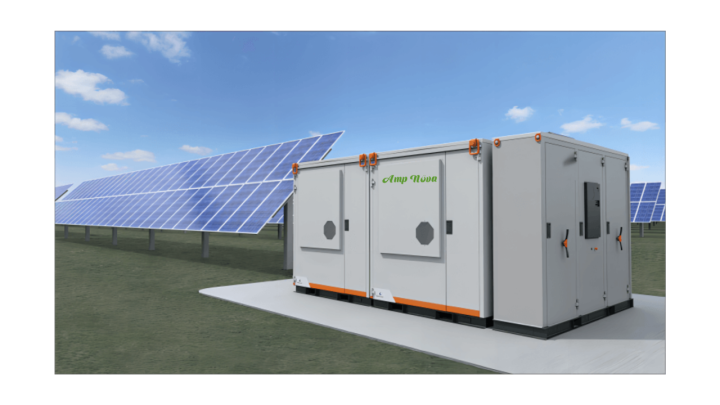
Japan Energy Storage Systems Market Size and Growth Overview (2025-2033)
Market Size in 2024: 15.1 GW
Market Forecast in 2033: 29.4 GW
Market Growth Rate 2025-2033: 7.32%
According to the latest report by IMARC Group, the Japan energy storage systems market size reached 15.1 GW in 2024. The market is projected to reach 29.4 GW by 2033, exhibiting a growth rate (CAGR) of 7.32% during 2025-2033.
Download a sample PDF of this report: https://www.imarcgroup.com/japan-energy-storage-systems-market/requestsample
Artificial intelligence is fundamentally transforming Japan's energy storage systems landscape through predictive analytics, intelligent grid management, and automated optimization algorithms. AI-powered systems analyze vast quantities of real-time data from renewable energy sources, weather patterns, and consumption behaviors to forecast energy generation and demand with unprecedented accuracy. Machine learning models optimize charge-discharge cycles of battery energy storage systems, extending operational lifespans while maximizing efficiency and return on investment. These intelligent systems enable dynamic load balancing, ensuring grid stability during peak demand periods and facilitating seamless integration of intermittent renewable energy sources like solar and wind power.
Furthermore, AI-driven predictive maintenance is revolutionizing asset management in the energy storage sector. Advanced algorithms monitor battery health indicators, temperature fluctuations, and performance metrics to predict potential failures before they occur, reducing downtime and maintenance costs significantly. Computer vision and IoT sensors integrated with AI platforms provide real-time monitoring of storage facilities, detecting anomalies and safety hazards instantly. This proactive approach is particularly crucial in Japan's disaster-prone regions, where energy reliability during emergencies is paramount. AI systems can automatically switch to backup power modes during earthquakes or typhoons, ensuring an uninterrupted electricity supply to critical infrastructure.
The integration of AI with virtual power plant (VPP) technologies represents the cutting edge of Japan's energy storage evolution. AI orchestrates thousands of distributed energy storage systems, creating intelligent networks that behave as unified power generation facilities. Natural language processing and advanced analytics enable these systems to participate in energy trading markets autonomously, buying and selling electricity based on real-time price signals and grid conditions. AI-powered energy management platforms provide consumers with personalized recommendations for optimal energy usage, storage, and cost savings. As Japan pursues carbon neutrality goals and expands renewable energy deployment, AI-enhanced energy storage systems will serve as the critical infrastructure backbone, enabling efficient, reliable, and sustainable power management across residential, commercial, and utility-scale applications.
The Japan energy storage systems market is experiencing robust growth driven by the nation's ambitious renewable energy integration targets and commitment to achieving carbon neutrality. As Japan transitions away from fossil fuels following heightened environmental consciousness and energy security concerns, the deployment of solar and wind power has surged dramatically. However, the intermittent nature of these renewable sources creates significant grid stability challenges that necessitate advanced storage solutions. Energy storage systems act as critical buffers, capturing excess electricity during peak generation periods and dispatching it during low-production windows, thereby ensuring a continuous power supply and grid frequency stabilization. Government initiatives under Japan's Strategic Energy Plan explicitly prioritize storage infrastructure as essential to decarbonization efforts, with regulatory frameworks supporting feed-in premiums and virtual power plant development, encouraging substantial private sector investment.
Japan's vulnerability to natural disasters, including frequent earthquakes, typhoons, and tsunamis, has intensified demand for reliable backup power solutions across all sectors. The devastating impact of past disasters on electricity infrastructure has heightened awareness of energy resilience, driving the adoption of energy storage systems in residential, commercial, and industrial facilities. These systems provide critical emergency power during outages, preventing productivity losses and ensuring the continuous operation of essential services. Additionally, the proliferation of electric vehicles is creating synergistic demand for advanced battery technologies and charging infrastructure, further stimulating the energy storage market. Corporate sustainability initiatives and environmental, social, and governance mandates are compelling businesses to optimize energy consumption and reduce carbon footprints, with energy storage systems enabling facilities to function as prosumers participating in local energy trading markets. The convergence of renewable energy expansion, disaster preparedness requirements, grid modernization efforts, and technological advancements in battery efficiency and cost-effectiveness is propelling sustained market growth throughout Japan.
Japan Energy Storage Systems Industry Segmentation:
The report has segmented the industry into the following categories:
Breakup by Technology:
Breakup by Application:
Breakup by End User:
Breakup by Region:
Request a Customized Version of This Report for Deeper Insights: https://www.imarcgroup.com/request?type=report&id=19556&flag=E
Competitive Landscape:
The market research report offers an in-depth analysis of the competitive landscape, covering market structure, key player positioning, top winning strategies, a competitive dashboard, and a company evaluation quadrant. Additionally, detailed profiles of all major companies are included.
May 2025: HD Renewable Energy (HDRE), a Taiwan-based company, secured five new battery energy storage system projects totaling 300MW (1.5 GWh) in Japan's Long-Term Decarbonization Power Source Auction, accounting for approximately 20% of the 1.37 GW awarded capacity. This marked HDRE's second consecutive success in the auction following its previous wins.
April 2025: Japan's Organization for Cross-regional Coordination of Transmission Operators (OCCTO) announced results of the 2024 Long-Term Decarbonization Power Source Auction (LTDA), with 26 battery energy storage projects securing 20-year fixed-revenue capacity contracts totaling 1.3 GW. The selected projects include 25 battery systems ranging from 3-hour to 6-hour duration, one 47MW BESS of 6-hour specific duration, and two pumped hydro energy storage projects totaling 360 MW.
December 2024: Canon Marketing Japan (CMJ) announced a strategic partnership with Lightergy and LGQ North America to establish an advanced virtual power plant system for the Japanese market. The collaboration involves CMJ purchasing significant volumes of residential and utility-scale energy storage systems from LGQ, with a a full-scale launch projected for 2026 following successful evaluation in 2025.
Future Outlook
The Japan energy storage systems market is positioned for sustained expansion through 2033, driven by accelerating renewable energy deployment, government policy support, and technological innovations in battery efficiency and cost reduction. The integration of advanced AI-powered management systems, expansion of virtual power plant networks, and growing corporate commitment to sustainability will catalyze widespread adoption across residential, commercial, and utility sectors.
Key highlights of the Report:
Note: If you require specific details, data, or insights that are not currently included in the scope of this report, we are happy to accommodate your request. As part of our customization service, we will gather and provide the additional information you need, tailored to your specific requirements. Please let us know your exact needs, and we will ensure the report is updated accordingly to meet your expectations.
About Us:
IMARC Group is a global management consulting firm that helps the world's most ambitious changemakers to create a lasting impact. The company provides a comprehensive suite of market entry and expansion services. IMARC offerings include thorough market assessment, feasibility studies, company incorporation assistance, factory setup support, regulatory approvals and licensing navigation, branding, marketing and sales strategies, competitive landscape and benchmarking analyses, pricing and cost research, and procurement research.
Contact Us:
Street: 563-13 Kamien
Area: Iwata
Country: Tokyo, Japan
Postal Code: 4380111
Email: sales@imarcgroup.com