x





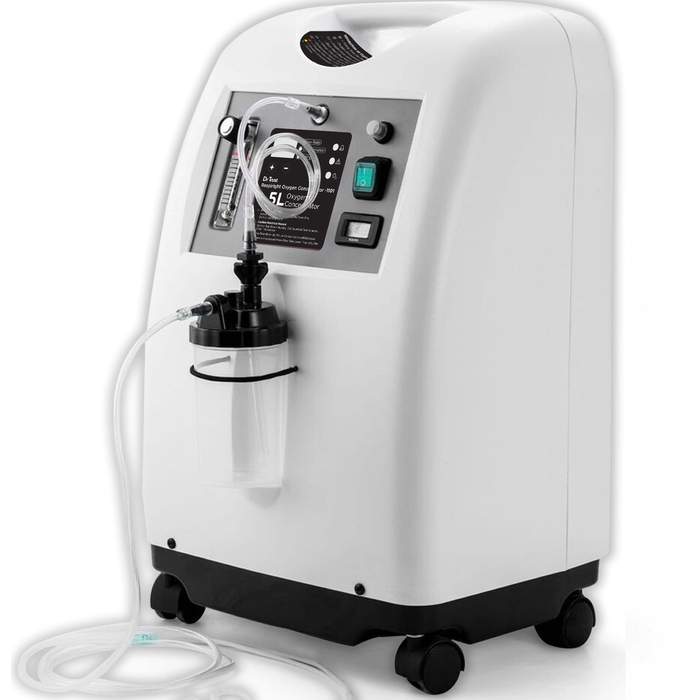
Japan Oxygen Concentrator Market Overview
Market Size in 2024: USD 206.50 Million
Market Size in 2033: USD 362.89 Million
Market Growth Rate 2025-2033: 5.80%
According to IMARC Group's latest research publication, the Japan oxygen concentrator market size reached USD 206.50 Million in 2024. Looking forward, IMARC Group expects the market to reach USD 362.89 Million by 2033, exhibiting a growth rate (CAGR) of 5.80% during 2025-2033.
Download a sample PDF of this report: https://www.imarcgroup.com/japan-oxygen-concentrator-market/requestsample
Japan's aging population is one of the key drivers of the demand for long-term oxygen therapy. According to Japan's Ministry of Internal Affairs and Communications, Japan's elderly population reached a record 36.25 million, with individuals aged 65 and older comprising nearly 30% of the total population. This demographic shift poses significant healthcare challenges, as projections suggest that this figure may rise to 34.8% by 2040. With the percentage of elderly people on the rise, the prevalence of age-related respiratory diseases like Chronic Obstructive Pulmonary Disease (COPD), emphysema, and pulmonary fibrosis also increases. These diseases require continuous oxygen therapy to ensure adequate oxygen levels in the blood, particularly in advanced stages. For older patients, home oxygen therapy is especially appealing since it provides convenience and comfort, enabling them to manage their condition without constant hospital visits, driving robust demand for oxygen concentrators.
Technological advancements are significantly shaping the Japan oxygen concentrator market, with a focus on developing portable, energy-efficient, and user-friendly devices. The demand for portable oxygen concentrators has surged, especially for patients who prefer to continue their daily activities without being tethered to stationary units. These devices are now more compact, lightweight, and easy to use, offering enhanced mobility and comfort for users. Energy efficiency is another major focus, as newer models are designed to consume less power while delivering the same level of oxygen output, reducing operational costs for patients. Additionally, advancements in user interface design have made these concentrators more intuitive, with features like touchscreens, easy-to-read displays, and remote monitoring capabilities, making it easier for patients to manage their condition independently.
The increasing incidence of respiratory diseases such as COPD, asthma, and other chronic respiratory conditions in Japan is driving significant demand for oxygen concentrators. These conditions often require long-term oxygen therapy to maintain adequate oxygen saturation levels, particularly during disease exacerbations or in advanced stages. Japan's air quality challenges, combined with lifestyle factors and an aging population, contribute to the growing prevalence of these conditions. Healthcare providers are increasingly recommending oxygen concentrators as an effective treatment option for managing respiratory diseases, as they provide a continuous and reliable oxygen supply. This medical necessity creates sustained demand for both portable and stationary oxygen concentrators across various healthcare settings.
The shift toward home healthcare in Japan is a key trend influencing the demand for oxygen concentrators. Patients, especially the elderly and those with chronic respiratory conditions like COPD and asthma, increasingly prefer home-based oxygen therapy over hospital stays. Home healthcare offers greater convenience, allowing patients to receive continuous treatment in the comfort of their own homes, reducing the need for frequent hospital visits and minimizing disruptions to daily life. Oxygen concentrators provide a reliable solution for home-based care, enabling patients to manage their condition independently. Additionally, home oxygen therapy helps reduce healthcare costs by preventing long hospital admissions and promoting early intervention in case of exacerbations. With Japan's healthcare system focusing on supporting elderly care and home healthcare services, the adoption of oxygen concentrators for home use is rising significantly.
The incorporation of smart technology and remote monitoring capabilities into oxygen concentrators is transforming patient care in Japan. Modern oxygen concentrators are equipped with IoT connectivity, allowing healthcare providers to remotely monitor patient compliance, oxygen flow rates, and device performance. This technology enables real-time data transmission to healthcare professionals, facilitating timely interventions when needed. Smart features include automatic adjustment of oxygen flow based on patient activity levels, medication reminders, and emergency alert systems. These advancements are particularly valuable in Japan's aging society, where many patients live independently and require continuous monitoring. The integration of artificial intelligence and machine learning algorithms helps optimize oxygen delivery based on individual patient needs, improving treatment outcomes and quality of life.
There is a growing emphasis on developing ultra-portable and lightweight oxygen concentrators in Japan, catering to the active lifestyle preferences of Japanese patients. Manufacturers are investing in miniaturization technologies to create devices that are easier to carry and transport, enabling patients to maintain their mobility and independence. These portable units are designed with extended battery life, quiet operation, and user-friendly interfaces, making them suitable for outdoor activities, travel, and daily commuting. The trend toward portability is particularly important in Japan's urban environment, where patients rely on public transportation and need devices that can seamlessly integrate into their daily routines. This focus on mobility solutions is driving innovation in battery technology, oxygen delivery systems, and compact design engineering.
Japan Oxygen Concentrator Industry Segmentation:
The report has segmented the market into the following categories:
Type Insights:
Technology Insights:
Application Insights:
End User Insights:
Regional Insights:
Request a Customized Report for Deeper Insights: https://www.imarcgroup.com/request?type=report&id=33701&flag=E
Competitive Landscape:
The competitive landscape of the industry has also been examined along with the profiles of the key players.
The future of the Japan oxygen concentrator market is promising, driven by continued demographic shifts and technological innovations. Japan's rapidly aging population will likely sustain long-term demand for oxygen therapy solutions, creating opportunities for market expansion. The integration of advanced technologies like AI, IoT, and telemedicine will enhance device capabilities and improve patient outcomes. Government initiatives supporting home healthcare and aging-in-place policies will further boost market growth. However, challenges such as healthcare cost containment, regulatory compliance, and the need for skilled technical support must be addressed. With a focus on developing user-friendly, efficient, and cost-effective solutions, Japan's oxygen concentrator market is positioned for steady growth, contributing to improved quality of life for patients with respiratory conditions.
Research Methodology:
The report employs a comprehensive research methodology, combining primary and secondary data sources to validate findings. It includes market assessments, surveys, expert opinions, and data triangulation techniques to ensure accuracy and reliability.
Note: If you require specific details, data, or insights that are not currently included in the scope of this report, we are happy to accommodate your request. As part of our customization service, we will gather and provide the additional information you need, tailored to your specific requirements. Please let us know your exact needs, and we will ensure the report is updated accordingly to meet your expectations.
About Us:
IMARC Group is a global management consulting firm that helps the world's most ambitious changemakers to create a lasting impact. The company provide a comprehensive suite of market entry and expansion services. IMARC offerings include thorough market assessment, feasibility studies, company incorporation assistance, factory setup support, regulatory approvals and licensing navigation, branding, marketing and sales strategies, competitive landscape and benchmarking analyses, pricing and cost research, and procurement research.
Contact:
Street: 563-13 Kamien
Area: Iwata
Country: Tokyo, Japan
Postal Code: 4380111
Email: sales@imarcgroup.com