x





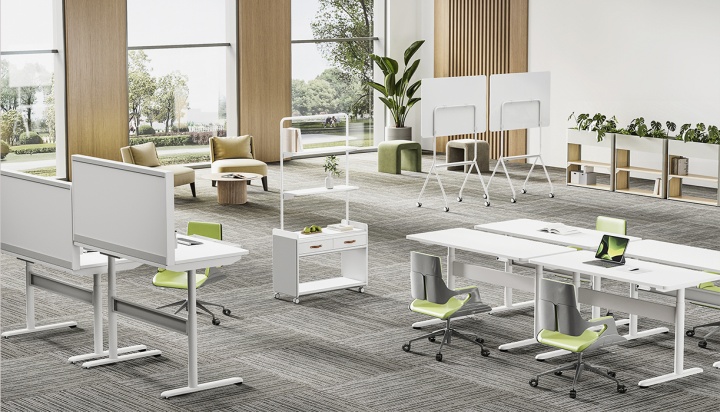
Mexico Office Furniture Market Size and Growth Overview (2025-2033)
Market Size in 2024: USD 1.07 billion
Market Forecast in 2033: USD 1.65 billion
Market Growth Rate 2025-2033: 4.58%
According to the latest report by IMARC Group, the office furniture market in Mexico reached USD 1.07 billion in 2024. Looking ahead, the market is expected to reach USD 1.65 billion by 2033, exhibiting a compound annual growth rate (CAGR) of 4.58% from 2025-2033.
Download a sample PDF of this report: https://www.imarcgroup.com/report/es/mexico-office-furniture-market/requestsample
Artificial intelligence is revolutionizing office furniture design through intelligent space optimization and personalized ergonomic solutions. AI-powered workspace planning tools analyze employee movement patterns, collaboration needs, and individual work styles to create optimal furniture layouts that maximize productivity and comfort. Machine learning algorithms process biometric data from wearable devices and smart furniture sensors to recommend personalized desk heights, chair adjustments, and monitor positions that reduce strain and prevent musculoskeletal disorders. Generative design software enables furniture manufacturers to create innovative, ergonomic pieces by exploring thousands of design variations based on parameters such as material strength, weight distribution, comfort metrics, and aesthetic preferences. Computer vision systems analyze workplace utilization patterns, identifying underused areas and recommending furniture reconfigurations that improve space efficiency and reduce real estate costs for organizations.
Moreover, AI is transforming the manufacturing process and supply chain management for office furniture. Predictive analytics optimize inventory levels by forecasting demand based on economic indicators, commercial real estate trends, and corporate expansion patterns, reducing overproduction and minimizing storage costs. Machine learning algorithms enhance production scheduling by analyzing equipment performance, material availability, and order priorities to maximize manufacturing efficiency and on-time delivery rates. Quality control systems powered by computer vision inspect furniture components during production, detecting defects, dimensional inaccuracies, and finish imperfections with greater precision than human inspectors. AI-driven logistics platforms optimize delivery routes and installation schedules, considering traffic patterns, building access constraints, and customer availability to reduce transportation costs and improve customer satisfaction. Digital twin technology creates virtual replicas of manufacturing facilities, enabling managers to simulate production changes, test new workflows, and train employees without disrupting actual operations.
Furthermore, AI is creating smart furniture ecosystems and enhancing customer experiences throughout the buying journey. Internet of Things integration powered by AI enables desks, chairs, and storage units to communicate with building management systems, automatically adjusting lighting, temperature, and ventilation based on occupancy and user preferences. Virtual reality showrooms guided by AI assistants allow customers to visualize furniture in their actual office spaces before purchasing, reducing returns and increasing buyer confidence. Natural language processing chatbots provide instant customer support, answering questions about product specifications, customization options, delivery timelines, and assembly instructions in Spanish and English. Recommendation engines analyze purchase histories, workspace characteristics, and budget constraints to suggest complementary furniture pieces and accessories that meet customer needs. Augmented reality applications enable customers to see how different furniture styles, colors, and configurations would look in their offices using smartphone cameras, democratizing access to professional interior design insights. Predictive maintenance systems monitor smart furniture usage patterns, alerting facility managers when components require servicing or replacement before failures occur.
Currently, the growing emphasis on ergonomics and employee wellbeing, as organizations increasingly recognize the link between comfortable and healthy workspaces and productivity, represents one of the crucial factors driving market growth in Mexico. Furthermore, the increasing adoption of remote work and hybrid work models is driving demand for adaptable and space-efficient office furniture, as companies seek to optimize their physical workspaces and adapt to flexible work modalities. Additionally, the rising preference for furniture manufactured with recycled materials and environmentally friendly production processes, as individuals and businesses show greater awareness about the environmental impact of their purchasing decisions, is offering a favorable market perspective in the country.
Smart office furniture, integrated with Internet of Things features, is gaining traction and allows users to control aspects such as desk height, lighting, and climate through mobile applications or voice commands. This integration improves the overall work experience, providing employees with greater control over their environment and promoting increased efficiency. Apart from this, the growing adoption of 3D printing and digital design is enhancing the creation of personalized and custom office furniture, allowing for greater customization and design flexibility. Furthermore, increasing demand for cost-effective and space-saving office furniture solutions for smaller workspaces among startups and small businesses is supporting market growth. On the other hand, the growing shift toward open work environments and collaborative spaces is catalyzing the need for modular furniture that facilitates collaboration and adaptability.
Mexico Office Furniture Industry Segmentation
The report has segmented the market into the following categories:
Breakup by Product Type:
Breakup by Material Type:
Breakup by Distribution Channel:
Breakup by Price Range:
Breakup by Region:
Request a Customized Version of This Report for Deeper Insights: https://www.imarcgroup.com/request?type=report&id=28117&flag=E
Competitive Landscape
The market research report offers an in-depth analysis of the competitive landscape, covering market structure, key player positioning, top winning strategies, a competitive dashboard, and a company evaluation quadrant. Additionally, detailed profiles of all major companies are included.
The Mexico office furniture market demonstrates strong growth potential through 2033, driven by workplace modernization, hybrid work adoption, and sustainability initiatives. The integration of smart furniture technologies, customization capabilities through digital manufacturing, and emphasis on employee well-being will accelerate market expansion. Mexico's growing economy, expanding corporate sector, and increasing focus on productive work environments position the office furniture industry for sustained growth throughout the forecast period.
Key highlights of the Report:
Note: If you require specific details, data, or insights that are not currently included in the scope of this report, we are happy to accommodate your request. As part of our customization service, we will gather and provide the additional information you need, tailored to your specific requirements. Please let us know your exact needs, and we will ensure the report is updated accordingly to meet your expectations.
About Us:
IMARC Group is a global management consulting firm that helps the world's most ambitious changemakers to create a lasting impact. The company provides a comprehensive suite of market entry and expansion services. IMARC offerings include thorough market assessment, feasibility studies, company incorporation assistance, factory setup support, regulatory approvals and licensing navigation, branding, marketing and sales strategies, competitive landscape and benchmarking analyses, pricing and cost research, and procurement research.
Contact Us:
IMARC Group
134 N 4th St., Brooklyn, NY 11249, USA
Email: sales@imarcgroup.com
Tel No.: (D) +91 120 433 0800
United States: +1-631-791-1145