x




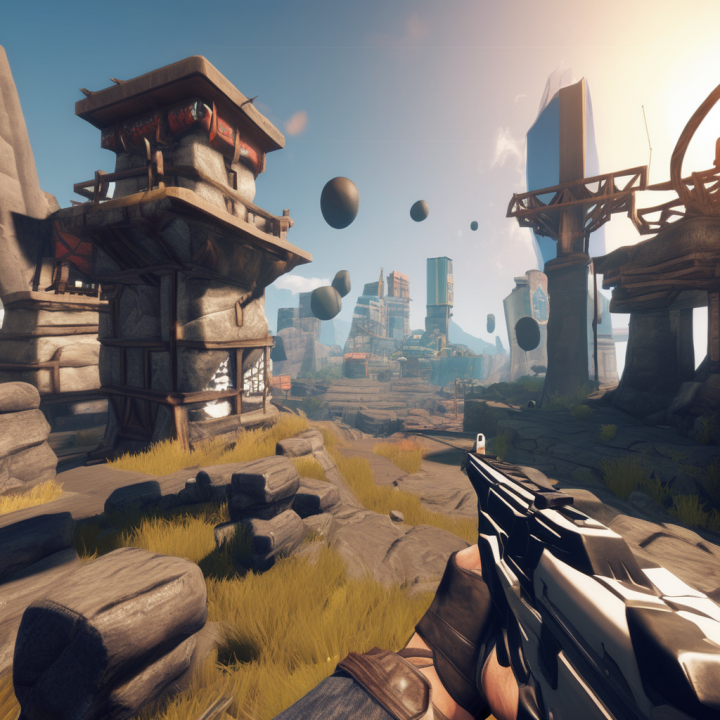
The next era of games won’t just look better. They’ll think, adapt, and evolve in ways players haven’t experienced yet. The shift toward AI-built worlds, mixed-reality gameplay, and living digital economies is already underway, and by 2030 it becomes the norm. Here’s the thing: the studios that prepare today will define the players’ tomorrow.
Before we dive into the big ideas shaping this future, let’s set the stage. The entire industry is moving from handcrafted systems to intelligent, self-building experiences. And that’s where the momentum is headed.
Let’s break it down. AI won’t sit on the sidelines generating small assets. It’ll generate landscapes, NPC behavior, and questlines that feel personal every time you play. Testing, balancing, world-building—AI handles the heavy lifting so teams can focus on creativity rather than grinding through production bottlenecks.
Players will notice the difference instantly. Characters that remember choices. Worlds that shift based on your play style. Content that feels like it was designed for you alone.
By 2030, the wall between digital and physical space gets thin. Lightweight AR glasses and high-comfort VR gear will turn environments into playgrounds. Imagine walking through your home and seeing digital creatures moving naturally through your real space. Or jumping into VR worlds that feel less like simulations and more like alternate realities.
The experiences won’t feel experimental anymore—they’ll feel expected.
What this really means is visual quality stops being a luxury. Neural rendering, real-time ray tracing, and cloud-powered graphics let even small studios produce visuals that match big-budget titles today. It’s not about “better graphics” anymore—it’s about realism that blurs into cinema.
Here’s where it gets interesting. Players won’t just trade items; they’ll influence world economics. Prices, scarcity, faction influence, social systems—all reactive. Virtual economies will work like living ecosystems, shaped by the players inside them.
And because ownership systems will be device-agnostic and long-term, players will treat in-game assets the same way they treat real-world value.
This shift is huge. With cloud-native infrastructure, games aren’t limited by local hardware. Developers can build ecosystems that scale infinitely, update live, and host massive populations without melting devices. For players, games load instantly. No installs. No patches. Just jump in.
By 2030, building a game feels more like assembling a complex kit than coding everything from zero. Engines ship with pre-built AI systems, physics setups, rendering stacks, and even gameplay templates. Studios spend less time rebuilding foundations and more time innovating on top of them.
The upside? Faster releases, richer worlds, and far more experimentation.
Games shift from static design to adaptive experiences. The difficulty reacts to your patterns. Storylines branch dynamically based on your decisions. Music and environments reshape themselves to match your mood and actions.
Players essentially get a version of the game that evolves uniquely with them.
By 2030, games don’t really “launch.” They begin.
Worlds grow weekly. AI-generated missions appear based on community trends. Seasonal changes feel organic, not forced. Instead of waiting years for expansions, players feel like the game is constantly breathing.
This creates long-term engagement and deeper loyalty.
As tools get smarter and automation improves, small teams gain the firepower once reserved for big studios. Expect a surge of innovative indie titles that break molds and reshape genres.
Game development is heading into a decade defined by intelligence, immersion, and living digital ecosystems. Studios that embrace AI-driven workflows, cloud-native engines, and mixed-reality design will shape the future experiences players crave. And if a team needs support bringing that kind of vision to life, working with a skilled game development company makes all the difference. That’s where Alpharive comes in—helping teams build the kind of next-generation games the 2030 era demands.