x




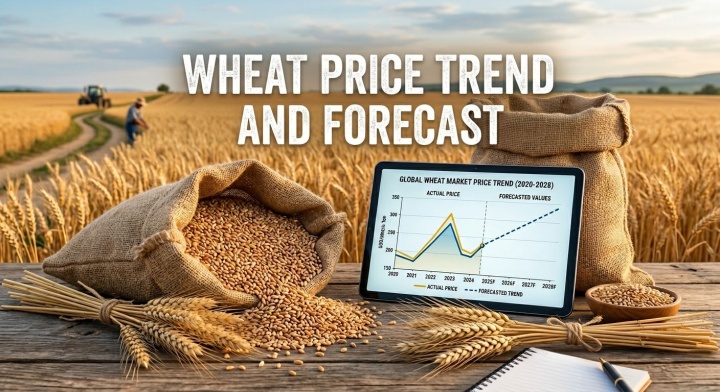
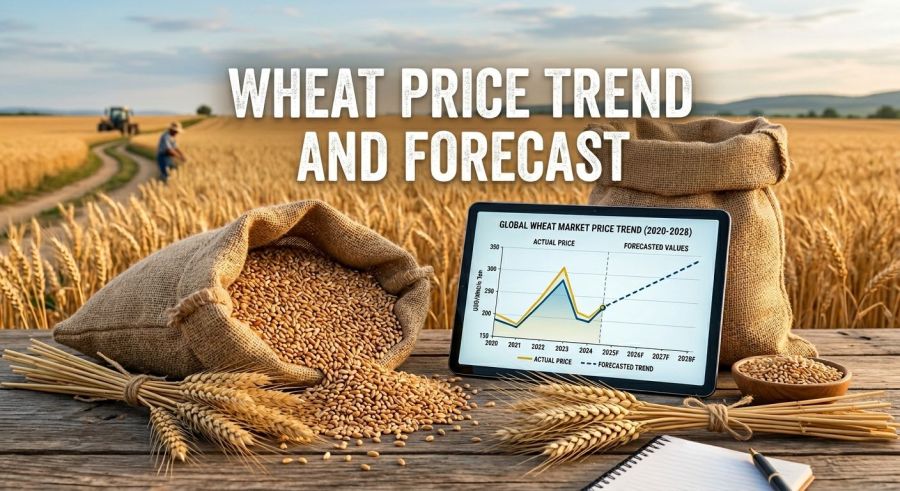
The global Wheat Price market witnessed mixed movements during the recent quarter as regional supply conditions, export demand, weather patterns, and domestic procurement policies shaped pricing trends across major economies. While India experienced downward pressure due to strong rabi arrivals and government open-market sales, wheat prices in Russia and the United States moved upward amid stronger export demand and inland logistics support.
Latest Wheat Price Trend: - https://www.chemanalyst.com/Pricing-data/wheat-1324
As one of the world’s most traded agricultural commodities, wheat plays a vital role in global food security, livestock feed production, and industrial food processing. Changes in wheat pricing directly impact flour mills, bakery manufacturers, food processors, commodity traders, and governments managing inflation and food reserves.
Overview of Global Wheat Price Market
The global wheat market remained moderately volatile during the quarter as traders monitored:
Although overall global wheat availability remained relatively comfortable, regional differences created uneven pricing trends. Countries with strong harvest inflows witnessed softer prices, while export-driven markets experienced gains due to international demand support.
The quarter also highlighted how domestic agricultural policies and export positioning continue to influence international wheat trade flows.
APAC Wheat Price Trend
India Wheat Price Analysis
In India, the Wheat Price Index declined by 3.53% quarter-over-quarter, reflecting improved supply availability following strong rabi crop arrivals and government-led open-market sales initiatives.
The average Wheat Price during the quarter stood at approximately USD 274.76/MT.
Key Factors Affecting Wheat Prices in India
The arrival of fresh rabi wheat crops significantly increased market availability across key producing states such as:
Higher mandi arrivals improved supply conditions and reduced immediate procurement pressure from domestic buyers.
The Indian government continued releasing wheat stocks through open-market sale schemes to stabilize food inflation and ensure adequate domestic supply.
These interventions helped cool speculative buying activity and eased pressure on wholesale grain markets.
Domestic flour mills and food processors maintained cautious purchasing strategies due to sufficient inventory levels and balanced downstream demand.
This reduced aggressive spot-market buying and contributed to softer wheat pricing momentum.
India maintained comfortable wheat inventories during the quarter, supported by improved crop conditions and stable procurement activity.
The market also benefited from better logistics movement and improved grain distribution channels.
Impact of Indian Wheat Prices on Regional Markets
India remains one of the largest wheat-producing nations globally. Although export restrictions continue to limit large-scale overseas shipments, domestic pricing trends in India still influence regional agricultural sentiment across Asia.
Lower Indian wheat prices may support:
At the same time, weaker pricing can pressure farmer profitability if procurement support remains limited.
Read the LinkedIn Article: - https://www.linkedin.com/pulse/wheat-price-trends-2026-regional-market-insights-strategic-singh-dfnec/
Europe Wheat Price Trend
Russia Wheat Price Analysis
In Russia, the Wheat Price Index increased by 1.74% quarter-over-quarter, supported by stronger export demand growth and stable overseas buying interest.
The average Wheat Price during the quarter reached approximately USD 233.33/MT.
Key Factors Driving Wheat Prices in Russia
Russia continued to maintain its position as one of the world’s leading wheat exporters. International demand from:
helped support export-oriented wheat pricing.
Higher overseas procurement activity improved trader sentiment and strengthened market fundamentals.
Russian wheat remained competitively priced in international markets despite moderate price increases.
Exporters benefited from:
This improved Russia’s attractiveness in global wheat tenders.
Although export demand increased, domestic wheat availability remained sufficient enough to avoid major price spikes.
The market experienced only modest monthly fluctuations, indicating balanced supply-demand conditions.
Russia’s wheat market continues to heavily influence international grain pricing due to its dominant role in global exports.
Any change in Russian production, export taxes, shipping conditions, or geopolitical developments can significantly impact global wheat trade flows.
European Wheat Market Outlook
European wheat markets are expected to remain sensitive to:
If export demand remains strong and weather risks intensify during the growing season, wheat prices across Europe could maintain upward momentum in coming quarters.
However, ample global inventories may limit excessive price escalation.
North America Wheat Price Trend
USA Wheat Price Analysis
In the United States, the Wheat Price Index rose by 4.58% quarter-over-quarter, reflecting stronger inland-to-coast basis support and improved export market dynamics.
The average Wheat Price during the quarter stood at approximately USD 243.67/MT.
Major Drivers Behind USA Wheat Price Growth
Transportation spreads between inland production regions and export terminals strengthened during the quarter.
Improved basis levels supported farmer selling prices and boosted overall wheat market sentiment.
The United States experienced stronger export demand amid competitive international pricing and supply diversification among global buyers.
Export activity through Gulf Coast and Pacific Northwest terminals contributed to firmer wheat pricing trends.
Seasonal weather variability in key wheat-growing states created some uncertainty regarding crop quality and future production potential.
Weather-related risks often influence speculative trading and contribute to upward price movement in agricultural futures markets.
Transportation costs, rail movement conditions, and export terminal operations also influenced domestic wheat pricing structures.
Improved export logistics supported stronger pricing realization for producers and traders.
Key Global Factors Influencing Wheat Prices
Weather remains one of the most important drivers of global Wheat Price trends.
Key risks include:
Production uncertainty often creates volatility in futures markets and international trade pricing.
Global wheat trade heavily depends on import demand from countries in:
Changes in procurement patterns, food security policies, and tender activity can rapidly shift market momentum.
Export restrictions, procurement programs, import duties, and food inflation controls significantly affect wheat market behavior.
For example:
Exchange rate movements impact export competitiveness in global grain markets.
A weaker local currency can make exports more attractive, supporting overseas sales and domestic pricing.
Shipping rates, rail transportation, port congestion, and fuel costs all contribute to wheat pricing structures globally.
Efficient logistics systems help exporters remain competitive in international tenders.
Global Wheat Demand Outlook
Global wheat demand is expected to remain stable due to continued consumption growth across food and feed industries.
Major demand sectors include:
Population growth and rising food consumption in developing economies are likely to support long-term wheat demand fundamentals.
Wheat Price Forecast for 2026
The outlook for the global Wheat Price market remains moderately bullish with periodic volatility expected throughout 2026.
Factors Supporting Future Prices
Factors Potentially Limiting Price Growth
Analysts expect wheat prices to remain highly sensitive to production forecasts in major exporting countries including:
Strategic Insights for Industry Participants
For Traders
Commodity traders should closely monitor:
Market volatility may continue creating short-term trading opportunities.
For Food Manufacturers
Flour mills and food processors may benefit from strategic inventory planning and diversified procurement sourcing to manage price fluctuations.
Long-term supply contracts could help stabilize input costs.
For Farmers
Farmers should evaluate planting strategies, weather risks, and local procurement policies carefully while managing crop marketing decisions.
Efficient storage and timing of sales may improve profitability in volatile markets.
Conclusion
The recent quarter demonstrated how regional supply conditions, export demand, and government policies continue shaping global Wheat Price movements.
India experienced softer wheat prices due to abundant rabi arrivals and open-market sales, while Russia and the United States saw upward pricing momentum supported by export demand and stronger logistics dynamics.
Although global wheat availability remains relatively balanced, the market is expected to stay sensitive to weather developments, trade activity, freight costs, and geopolitical uncertainties throughout 2026.
As wheat remains a critical agricultural commodity for global food security, industry participants must continue monitoring regional production trends and international trade flows to navigate evolving market conditions effectively.
Contact US:
Email-Id: - sales@chemanalyst.com
Contact No: - +1 (332) 258-6602
Address: - 420 Lexington Avenue, Suite 300
New York, NY
United States, 10170