x




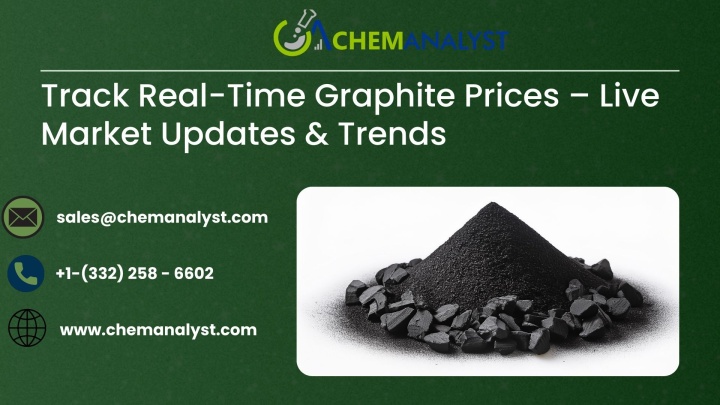

Graphite — a critical industrial mineral used in everything from electric vehicle (EV) batteries and renewable energy storage to refractories and lubricants — has experienced notable divergence in pricing trends across regions in the first quarter of 2026. This article examines these regional movements in detail, analyzing key drivers behind the price changes and what they signal for producers, consumers, and stakeholders across North America, APAC (with a particular focus on China), and Europe.
Latest Graphite Price Trend: - https://www.chemanalyst.com/Pricing-data/graphite-1433
Introduction: The Importance of Graphite in 2026
As global energy transitions accelerate, graphite remains among the most strategically important minerals in modern industrial supply chains. Unlike commodities such as oil or copper, graphite’s markets are more directly tied to specialized sectors — especially battery manufacturing and high-temperature industrial applications.
In 2026, while EV demand continues its long-term upward trajectory, macroeconomic pressures — from inflationary pressures in some economies to weak industrial activity in others — have introduced variability in graphite pricing. These trends are further compounded by regional policy shifts, inventory build-ups, and supply chain constraints.
To better understand these dynamics, it helps to look prismatically at each major region — North America (predominantly the USA), APAC (with China as the primary driver), and Europe (represented here by Germany).
North America: Market Softening on Subdued Demand
Price Movement
In the United States, the graphite price index fell by 2.7% quarter-over-quarter, with the average price landing at approximately USD 796.33 per metric ton (MT) based on blended settlement data.
Key Drivers
The most significant headwind for graphite pricing in North America has been subdued demand from key end-use sectors. While EV production continues to expand, it has not yet fully offset weakness in traditional industrial consumers such as refractories, foundries, and synthetic graphite applications.
Manufacturers have shown caution in restocking inventories, partly due to concerns about overcapacity and volatile energy prices affecting production costs.
Companies that previously built up inventories during late-2025 price volatility are now destocking. As these inventories are drawn down rather than replenished, immediate purchasing pressure on the market has eased — putting downward pressure on prices.
Although the US dollar has remained relatively strong, negative sentiment in certain industrial sectors and inflation concerns have influenced purchasing behavior. Some buyers delayed procurement in anticipation of further price corrections, reinforcing the slight downturn.
Graphite Price Chart 2026: - https://www.chemanalyst.com/Pricing-data/graphite-1433
Implications
For North American producers, the decline — while moderate — suggests caution. Pricing at USD 796.33/MT remains comparatively high relative to China but reflects limited demand pressure. Buyers may see this as a window to negotiate longer supply contracts at more favorable pricing, especially as macroeconomic conditions remain uncertain.
APAC (China): Sharper Decline Amid Oversupply and Weak Demand
Price Movement
China, as the largest global producer and consumer of graphite, recorded a steeper decrease. The price index fell by 5.254% quarter-over-quarter, with the average price dropping to approximately USD 547/MT.
Underlying Market Dynamics
The Chinese graphite market in early 2026 has been shaped by several defining factors:
China’s graphite sector continues to operate significant production capacity. In parts of 2025, producers expanded output in response to higher anticipated demand from battery manufacturers. However, the expected surge was delayed — in part due to slower EV sales growth in certain provinces and weaker orders from export markets.
This oversupply has contributed significantly to downward pressure on prices, as producers compete for limited buyer interest.
Elevated inventories at both producer and distributor levels have compounded market weakness. Sellers with stockpiles — built in late 2025 when prospects appeared stronger — are now willing to reduce prices to clear inventory rather than incur storage costs.
Domestic demand for graphite in non-battery sectors (e.g., refractories, steelmaking, and industrial lubricants) has remained tepid, reflecting broader manufacturing slowdowns in key provinces. While battery-related demand has grown, it has not kept pace with available supply.
Regional Comparison – China vs. USA
When compared with North America, China’s pricing downturn has been sharper:
This divergence highlights the regional imbalance: high domestic supply in China with limited uptake versus more restrained supply growth and comparatively stable demand in the USA.
Strategic Implications
For global buyers:
For Chinese producers:
Europe (Germany): Price Resilience and Demand Recovery
Price Movement
In contrast to the downward trend in North America and China, the graphite price index in Germany rose by 0.688% quarter-over-quarter, with the average price around USD 731.67/MT from weighted spot contract transactions.
Drivers of European Price Growth
Europe’s graphite supply chain remains tighter than other regions. While demand has gradually recovered, particularly for battery-grade graphite used in EV and stationary storage applications, local production capacities are limited relative to consumption.
This imbalance supports higher pricing — even as prices elsewhere weaken.
Several European industrial sectors — including automotive manufacturing and heavy industry — are showing signs of recovery. German manufacturers, in particular, have increased procurement of graphite for high-tech applications and refractory needs.
The uptick in industrial activity has strengthened spot market transactions, contributing to a modest price increase.
Europe’s dependence on imports — especially from Asia — exposes it to shipping delays, freight cost volatility, and geopolitical risks. These factors have indirectly supported prices, as buyers secure volumes at higher near-term costs to avoid supply disruptions.
Comparative Advantage
While Europe’s average graphite price remains below North America’s, it is significantly above China’s — closer to USD 731.67/MT compared with USD 547/MT. This pricing reflects the interplay of regional demand, import reliance, and supply tightness.
Strategic Implications for Europe
Cross-Regional Comparisons and Broader Trends
The first quarter of 2026 reveals a clear divergence in graphite pricing:
This divergence reflects a broader theme: regional supply–demand imbalances drive pricing as much as global trends.
Across all regions, battery manufacturing demand remains the longest-term growth driver for graphite. However:
This nuanced demand environment highlights the complexity of the graphite market in 2026.
Inventory levels have exerted substantial influence — especially in China. High inventories reduce urgent purchasing, leading producers to discount prices to free up storage and cash flow.
Implications for Stakeholders
For Producers
For Consumers
For Investors
Outlook: What to Expect in the Coming Quarters
While short-term volatility is evident in early 2026, several medium-term trends suggest continued complexity:
Market participants should monitor inventory levels, regional policy incentives (e.g., EV subsidies and tariff changes), and macroeconomic indicators — all of which will shape graphite’s pricing landscape throughout 2026 and into 2027.
Conclusion
The 2026 graphite market is characterized by a regional split in price performance:
These dynamics underscore the importance of understanding local market conditions, regional demand patterns, and global supply chain developments. As markets evolve through 2026, stakeholders who stay attuned to these trends — and who adopt flexible procurement and production strategies — will be better positioned to navigate pricing volatility and capitalize on emerging opportunities.
Contact US:
Email-id: sales@chemanalyst.com
Phone no: +1-(332) 258 - 6602
Address: 420 Lexington Avenue, Suite 300
New York, NY
United States, 10170