x




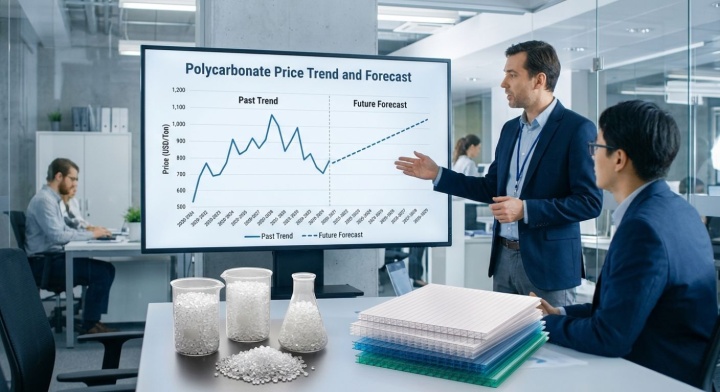
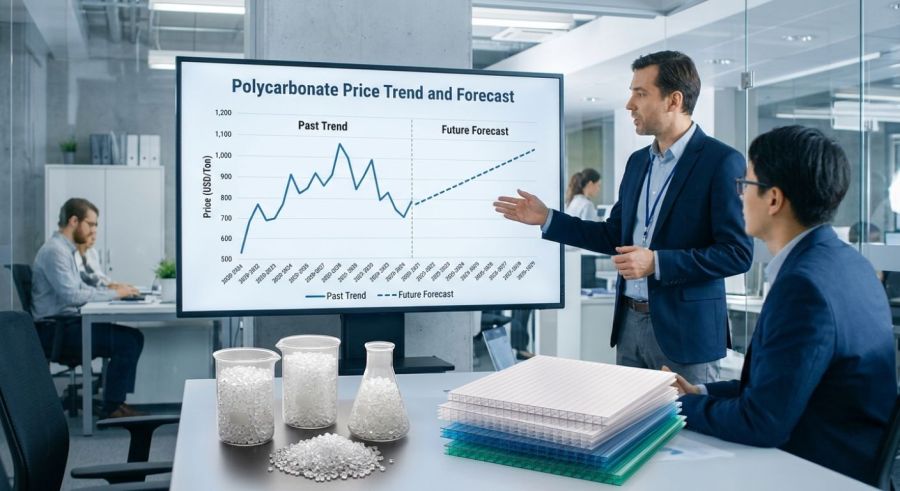
The Polycarbonate Price landscape in 2026 reflects a complex interplay of supply-demand dynamics, feedstock cost fluctuations, and macroeconomic conditions. Polycarbonate (PC), a high-performance thermoplastic widely used in automotive, electronics, construction, and packaging industries, continues to be influenced by both upstream raw material trends and downstream consumption patterns.
Latest Polycarbonate Price Trend: - https://www.chemanalyst.com/Pricing-data/polycarbonate-47
Over the recent quarter, global polycarbonate markets have shown a moderate downward trend, driven largely by balanced supply conditions, subdued industrial demand, and easing production costs in several regions.
Global Polycarbonate Market Overview
The global Polycarbonate Price Index experienced a downward trajectory across major regions during the quarter. While the degree of decline varied, a common theme emerged: oversupply conditions and cautious buying behavior from end-use industries.
Key contributing factors include:
Despite these pressures, the market did not experience sharp volatility, indicating a relatively balanced global supply chain.
North America Polycarbonate Price Trends
Market Performance in the USA
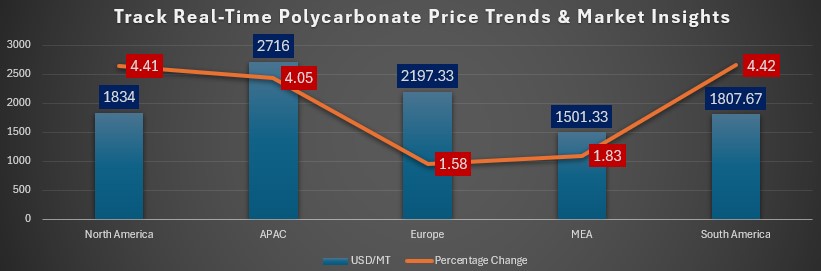
In North America, particularly in the United States, the Polycarbonate Price Index declined by 4.41% quarter-over-quarter. This decline reflects a market that is neither oversupplied nor constrained, but rather operating under balanced supply with muted demand.
The average Polycarbonate Price during the quarter stood at approximately USD 1834.00 per metric ton (MT) on a delivered-duty-paid (DDP) basis.
Key Drivers
Market Sentiment
The U.S. market exhibited cautious optimism, with buyers adopting a wait-and-watch approach amid uncertain economic signals. This contributed to limited upward price momentum.
APAC Polycarbonate Price Trends
Japan Market Analysis
In the Asia-Pacific region, Japan recorded a 4.05% quarter-over-quarter decline in the Polycarbonate Price Index. The average quarterly price was approximately USD 2716.00/MT, reflecting contractual pricing benchmarks.
Read the LinkedIn Article: - https://www.linkedin.com/pulse/polycarbonate-price-trends-2026-insights-forecast-market-singh-uc2mc/
Key Influencing Factors
Regional Outlook
APAC continues to remain a production hub for polycarbonate, but the imbalance between supply and demand has pressured prices downward. Export-driven strategies are expected to play a critical role in stabilizing the market.
Europe Polycarbonate Price Trends
Germany Market Insights
In Europe, Germany witnessed a relatively smaller decline, with the Polycarbonate Price Index falling by 1.58% quarter-over-quarter. The average price during the quarter was USD 2197.33/MT.
Market Dynamics
Pricing Structure
Prices were largely determined by monthly distributor settlements and contract negotiations, leading to a more stable pricing environment compared to other regions.
Middle East & Africa (MEA) Polycarbonate Price Trends
Saudi Arabia Market Overview
In the MEA region, Saudi Arabia reported a 1.83% decline in the Polycarbonate Price Index during the quarter. The average price was approximately USD 1501.33/MT.
Key Market Drivers
Competitive Advantage
Saudi Arabia continues to benefit from low production costs and strategic export positioning, making it a key supplier in the global polycarbonate market.
South America Polycarbonate Price Trends
Brazil Market Analysis
In South America, Brazil experienced one of the sharper declines, with the Polycarbonate Price Index falling by 4.42% quarter-over-quarter. The average price stood at USD 1807.67/MT.
Market Influences
Market Outlook
The Brazilian market remains vulnerable to external supply pressures and domestic demand fluctuations, which may continue to influence pricing trends in the near term.
Key Factors Influencing Polycarbonate Price Globally
Polycarbonate production relies heavily on bisphenol-A (BPA) and phosgene. Any fluctuation in these raw materials directly impacts the Polycarbonate Price.
Regions with oversupply conditions, such as APAC, tend to experience sharper price declines, while balanced markets like Europe show more stability.
Key sectors include:
A slowdown in these industries reduces demand, putting downward pressure on prices.
Energy-intensive production processes and global shipping costs significantly influence regional price variations.
Import-heavy markets like Brazil are more susceptible to price volatility due to external supply inflows.
Polycarbonate Price Forecast
Looking ahead, the Polycarbonate Price trend is expected to remain moderately stable with slight downward bias in the short term. However, several factors could influence future price movements:
Short-Term Outlook (Next 2 Quarters)
Medium-Term Outlook
Long-Term Outlook
The global polycarbonate market is expected to witness steady growth, supported by:
Strategic Insights for Buyers and Industry Stakeholders
To navigate the evolving Polycarbonate Price landscape, stakeholders should consider:
Conclusion
The global Polycarbonate Price trend in 2026 reflects a market in transition—marked by balanced supply, cautious demand, and regional disparities. While most regions experienced price declines, the underlying fundamentals remain stable, suggesting resilience in the long term.
From the United States to Japan, Germany to Saudi Arabia, and Brazil, each region presents unique dynamics that collectively shape the global pricing environment. As industries gradually recover and demand strengthens, the polycarbonate market is poised for measured growth and stabilization.
For businesses and investors, staying informed about Polycarbonate Price movements and regional trends will be crucial in making strategic decisions in an increasingly competitive and interconnected market.
Contact US:
Email-Id: - sales@chemanalyst.com
Contact No: - +1 (332) 258-6602
Address: - 420 Lexington Avenue, Suite 300
New York, NY
United States, 10170