x




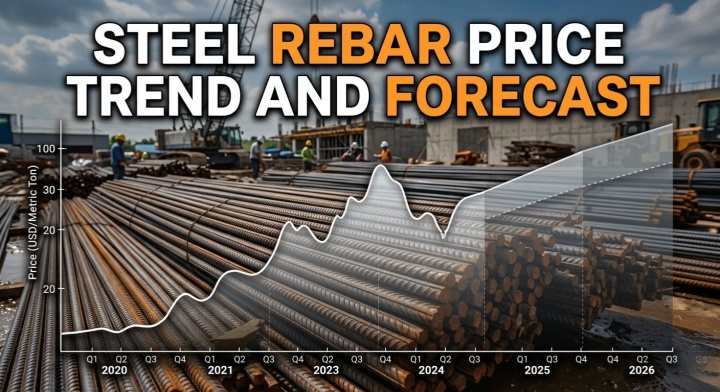
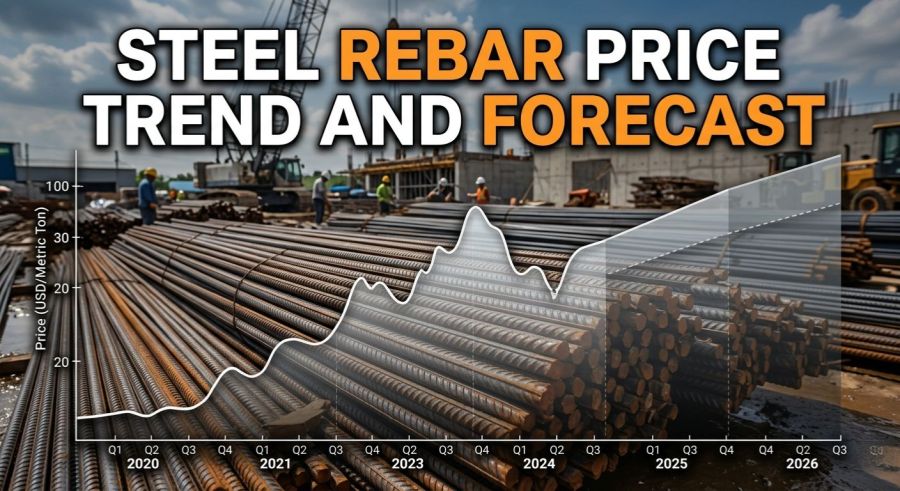
The global construction and infrastructure industries continue to closely monitor the Steel Rebar Price landscape as market volatility, supply chain disruptions, and shifting industrial demand reshape the steel sector in 2026. Steel rebar, also known as reinforcing steel or reinforcement bar, remains one of the most essential materials in residential, commercial, and infrastructure construction projects worldwide. Its pricing directly influences the cost structure of bridges, highways, skyscrapers, industrial plants, and public infrastructure.
Latest Steel Rebar Price Trend: - https://www.chemanalyst.com/Pricing-data/steel-rebar-1441
Over the past quarter, the global Steel Rebar market has experienced mixed pricing trends across key regions, including North America, Asia-Pacific (APAC), and Europe. Factors such as scrap shortages, inventory fluctuations, import restrictions, energy costs, and mill production levels have significantly impacted the Steel Rebar Price Index globally.
In the United States, rebar prices increased sharply due to limited scrap availability and balanced supply flows. Meanwhile, Taiwan witnessed slight price declines amid mild inventory overhang, while Germany recorded moderate gains supported by constrained mill output and tighter imports. These developments collectively highlight how regional supply-demand dynamics continue to shape the global Steel Rebar market.
Understanding Steel Rebar and Its Industrial Importance
Steel rebar is a high-strength steel reinforcement material used to strengthen concrete structures. Since concrete performs well under compression but poorly under tension, rebar is embedded within concrete to improve tensile strength and structural durability.
The construction industry heavily depends on steel rebar for:
As governments worldwide continue investing in infrastructure modernization and urban expansion, Steel Rebar demand remains fundamentally strong. Consequently, fluctuations in Steel Rebar Price directly affect project costs across multiple industries.
North America Steel Rebar Price Trend
USA Steel Rebar Price Increased by 6.14%
In North America, the United States experienced a notable increase in the Steel Rebar Price Index during the quarter. Prices rose by approximately 6.14% quarter-over-quarter, with the average Steel Rebar Price reaching around USD 938.67 per metric ton.
Read the LinkedIn Article: - https://www.linkedin.com/pulse/steel-rebar-price-trends-global-market-sees-mixed-momentum-singh-bh0bc/
Key Factors Driving USA Steel Rebar Prices
One of the primary drivers behind rising Steel Rebar Prices in the United States was the shortage of steel scrap. Scrap metal remains a crucial raw material in electric arc furnace (EAF)-based steel production, which dominates the U.S. steel industry.
Limited scrap collection, higher export demand, and supply disruptions tightened raw material availability, increasing production costs for domestic mills.
Infrastructure and construction activity remained relatively stable across the United States, supported by:
Steady demand helped mills maintain strong pricing power.
Although supply remained relatively balanced, limited raw material availability and cautious production rates prevented oversupply conditions from emerging.
Impact on Construction Industry
Higher Steel Rebar Prices in the USA may lead to:
However, strong infrastructure spending is expected to continue supporting rebar demand throughout 2026.
APAC Steel Rebar Price Trend
Taiwan Steel Rebar Price Declined Slightly
In the Asia-Pacific region, Taiwan witnessed a modest decline in Steel Rebar Prices during the quarter. The Steel Rebar Price Index fell by approximately 0.91% quarter-over-quarter, with average prices reaching nearly USD 580.33 per metric ton.
Reasons Behind Taiwan’s Price Decline
The Taiwanese steel market experienced mild inventory accumulation, which created downward pricing pressure. Slower purchasing activity and cautious buying behavior contributed to higher available stock levels.
Although construction activity remained relatively stable, demand growth was not strong enough to absorb excess inventory quickly.
Asian steel producers continue facing intense regional competition, especially from major manufacturing hubs. Competitive pricing strategies among mills placed additional pressure on Steel Rebar Prices.
APAC Market Conditions
The APAC region remains one of the largest steel-consuming markets globally due to:
Despite temporary pricing softness in Taiwan, long-term regional demand fundamentals remain positive.
Europe Steel Rebar Price Trend
Germany Steel Rebar Price Rose by 2.067%
In Europe, Germany experienced moderate growth in Steel Rebar Prices during the quarter. The Steel Rebar Price Index increased by approximately 2.067%, with average prices reaching USD 740.67 per metric ton.
Key Drivers Supporting German Rebar Prices
German steel mills maintained controlled production rates due to:
Lower output supported upward pricing momentum.
European steel imports remained relatively constrained because of:
Reduced import competition helped domestic mills sustain firmer pricing.
Germany’s industrial and infrastructure sectors continued supporting steel consumption, especially in transportation and renewable energy projects.
European Market Challenges
Despite price gains, the European steel sector still faces challenges such as:
Nevertheless, limited supply conditions are expected to provide ongoing market support.
Major Factors Influencing Global Steel Rebar Price
Raw Material Costs
Raw materials play a central role in determining Steel Rebar Prices globally. Key inputs include:
Any disruption in raw material availability directly impacts production costs and final market prices.
Construction and Infrastructure Demand
Global infrastructure spending remains a major driver of Steel Rebar demand. Governments worldwide continue investing in:
Strong construction activity generally supports higher Steel Rebar Prices.
Energy Costs
Steel manufacturing is energy-intensive. Rising electricity and natural gas prices significantly affect production expenses, particularly in Europe.
Energy market volatility remains a critical pricing factor in 2026.
Trade Policies and Imports
Import tariffs, anti-dumping duties, and geopolitical trade restrictions continue influencing regional steel markets.
Countries seeking to protect domestic industries often impose import limitations, which can tighten local supply and elevate Steel Rebar Prices.
Supply Chain and Logistics
Global shipping disruptions, freight rate fluctuations, and port congestion can impact steel trade flows and availability.
Improved logistics conditions may ease pricing pressure, while disruptions can quickly tighten supply.
Steel Rebar Price Forecast for 2026
North America Outlook
The USA Steel Rebar market is expected to remain relatively firm throughout 2026 due to:
However, easing raw material costs could moderate future price increases.
APAC Outlook
The APAC Steel Rebar market may experience balanced pricing conditions in the coming quarters.
Potential factors include:
Taiwan’s market could stabilize once excess inventory levels decline.
Europe Outlook
European Steel Rebar Prices are likely to remain supported by:
However, economic slowdown risks may limit aggressive price growth.
Sustainability and Green Steel Impact
Sustainability is becoming increasingly important in the global steel industry. Governments and manufacturers are focusing on:
These transitions may influence future Steel Rebar Prices as companies invest in cleaner production technologies.
Green steel adoption could increase production costs initially but may improve long-term market sustainability.
Challenges Facing the Global Steel Rebar Industry
Volatile Raw Material Markets
Steelmakers remain exposed to fluctuating scrap and iron ore prices, which create pricing uncertainty.
Economic Slowdowns
Global economic uncertainty and high interest rates may weaken construction activity in certain regions.
Environmental Regulations
Stricter environmental standards require substantial investments in cleaner production methods.
Trade Uncertainty
Geopolitical tensions and evolving trade regulations continue disrupting global steel supply chains.
Opportunities in the Steel Rebar Market
Despite challenges, several opportunities continue supporting market growth:
These sectors are expected to maintain long-term demand for steel rebar globally.
Conclusion
The global Steel Rebar market in 2026 reflects a complex balance between supply constraints, raw material availability, infrastructure demand, and regional economic conditions. The latest quarterly data shows clear regional divergence in Steel Rebar Price trends.
In the United States, prices rose sharply due to scrap shortages and stable construction demand. Taiwan experienced mild pricing softness amid inventory overhang, while Germany recorded moderate gains supported by limited mill output and tighter imports.
Moving forward, Steel Rebar Prices will continue responding to evolving construction demand, sustainability initiatives, energy costs, and trade dynamics. Although short-term volatility may persist, long-term infrastructure investment and industrial growth are expected to support global Steel Rebar demand.
For manufacturers, contractors, investors, and procurement professionals, closely monitoring Steel Rebar Price trends remains essential for strategic planning and cost management in an increasingly dynamic global market.
Contact US:
Email-Id: - sales@chemanalyst.com
Contact No: - +1 (332) 258-6602
Address: - 420 Lexington Avenue, Suite 300
New York, NY
United States, 10170