x




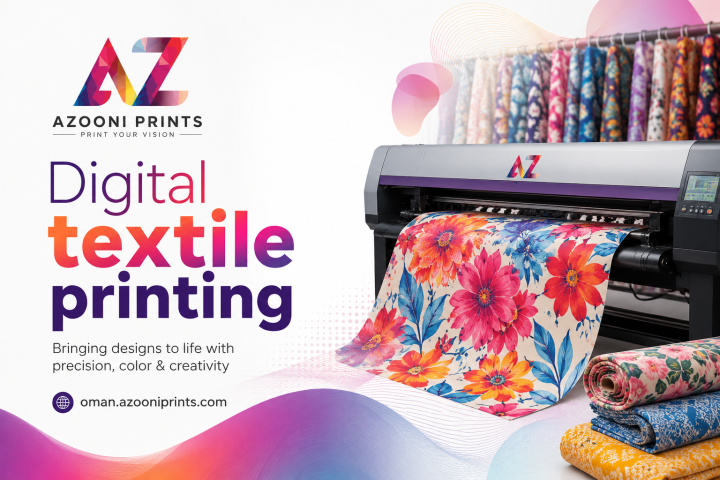
If you love colorful fabrics, custom fashion, or creative designs, then you have probably seen the impact of Digital textile printing already. From trendy t-shirts to stylish home décor, this modern printing method is changing the textile industry in exciting ways. At the same time, businesses and designers want faster production, better quality, and eco-friendly solutions. That is exactly why digital printing has become so popular across the world.
To learn more about the basics of Digital textile printing, you can explore trusted educational resources online. In this article, you will learn what digital textile printing is, how it works, its major benefits, common mistakes to avoid, and future trends in the industry. The guide is written in simple language so beginners can easily understand the topic without confusion.
Digital textile printing is a modern method used to print designs directly onto fabric using digital technology. Instead of using large screens or plates, the printer applies ink straight onto the textile through a computer-controlled process. Think of it like using a home printer, but instead of paper, the machine prints on fabric. This allows businesses to create detailed and colorful designs quickly and accurately.
Firstly, a designer creates artwork on a computer. Then, the design is sent to a textile printer. Finally, the printer transfers the image onto materials such as cotton, silk, polyester, or blended fabrics. This process is very different from traditional printing methods. Older printing systems often required more setup time and large production runs. However, digital printing is faster and works well for both small and large orders.
Today, Digital textile printing is used in many industries, including:
Additionally, this technology supports detailed graphics, smooth color gradients, and personalized designs. That is why many modern brands now prefer digital solutions over traditional fabric printing.
There are many reasons why businesses are moving toward Digital textile printing. Below are some of the biggest advantages.
One major benefit is print quality. Digital printers create sharp images and bright colors with excellent detail. Even complex patterns look smooth and professional. For example, fashion designers can print photographic images or detailed artwork directly onto garments without losing quality.
Traditional textile printing often takes a long time to prepare. Screens, plates, and setup processes can delay production. However, digital printing removes many of these extra steps. Designers can upload artwork and begin printing quickly. This helps companies deliver products faster to customers.
Another important benefit is sustainability. Many digital printers use less water and fewer chemicals compared to traditional methods. As environmental concerns continue to grow, many businesses are choosing eco-friendly textile printing solutions. This helps reduce waste and supports greener production practices.
Modern customers love personalized products. Luckily, Digital textile printing makes customization simple. Businesses can create one unique design or thousands of different prints without changing equipment. This is especially useful for custom t-shirts, event merchandise, and personalized fashion products.
Traditional printing usually becomes affordable only for large orders. Small batches often cost more because of setup expenses. Digital printing solves this problem. Since there is little setup required, companies can print small quantities at lower costs. This is ideal for startups and small fashion brands.
The printing process may sound technical, but it is actually easy to understand when broken into simple steps.
Firstly, the designer creates digital artwork using graphic design software. The design can include patterns, logos, images, or text.
Next, the fabric is cleaned and treated to help the ink bond properly. Different fabrics may require different preparation methods.
The digital printer sprays ink directly onto the textile surface. This process creates precise and colorful prints with great accuracy.
After printing, the fabric is heated to lock the colors into the material. This step improves durability and wash resistance.
Lastly, the printed fabric is washed, dried, and prepared for final use in clothing, décor, or other textile products.
Even though Digital textile printing offers many advantages, some common mistakes can reduce print quality or increase costs.
Poor image quality often leads to blurry prints. Always use high-resolution artwork for professional results.
Not all fabrics react the same way to digital inks. Some materials absorb colors better than others. Testing fabrics before large production runs is important.
Colors may appear different on screens and fabrics. Proper color management helps maintain consistency across products.
Firstly, test small samples before full production. This helps identify issues early and prevents expensive mistakes later.
Digital textile printers require regular cleaning and maintenance. Ignoring maintenance can lead to clogged print heads and uneven results.
The textile industry continues to evolve rapidly. Here are some exciting trends shaping the future of Digital textile printing.
Many companies now focus on eco-friendly inks and energy-efficient printers. Sustainable production is becoming a major priority worldwide.
Businesses are moving toward printing products only when customers place orders. This reduces waste and saves storage costs.
Some modern textiles now combine digital printing with technology. For example, printed fabrics may include sensors or interactive features.
Artificial intelligence is improving design creation and print accuracy. Automated systems also help manufacturers speed up production.
Customers increasingly want custom-made clothing and unique designs. Digital printing supports this trend perfectly because it allows fast personalization.
If you want to explore the industry further, several trusted resources can help.
Professional textile websites often share industry news, printing technologies, and design trends.
Websites like Coursera, Udemy, and Skillshare offer beginner-friendly courses on textile printing and fabric design.
Printer manufacturers provide guides, tutorials, and product demonstrations for digital textile technologies.
Global textile exhibitions showcase new machines, inks, and sustainable printing solutions. These events help businesses stay updated with market trends.
Many textile experts share practical tutorials and machine demonstrations online. Video learning can help beginners understand the process faster.
Today, brands want speed, flexibility, and quality. Thankfully, Digital textile printing delivers all three. Firstly, businesses can respond quickly to fashion trends. Secondly, they can create smaller production runs without high costs. Finally, they can offer unique products that attract modern customers. Additionally, digital printing supports sustainable manufacturing. This matters because more customers now prefer eco-conscious brands. As technology improves, the textile printing industry will continue growing rapidly across fashion, sportswear, and home décor markets.
Digital textile printing has completely transformed the modern textile industry. It offers fast production, stunning print quality, customization, and eco-friendly benefits. Whether you are a fashion designer, business owner, or beginner, understanding this technology can help you stay ahead in the textile world. Additionally, as trends continue to evolve, digital printing will likely become even more important in the future. If you want to grow your textile business or explore creative fabric design, now is the perfect time to learn more about digital printing solutions.
Digital textile printing works on many fabrics, including cotton, polyester, silk, linen, and blended materials. However, each fabric may require different inks and preparation methods.
Yes, many digital textile printing methods use less water and fewer chemicals than traditional printing. This makes the process more environmentally friendly.
The cost depends on the order size and fabric type. However, digital printing is usually more affordable for small orders and custom designs compared to traditional printing methods.