x




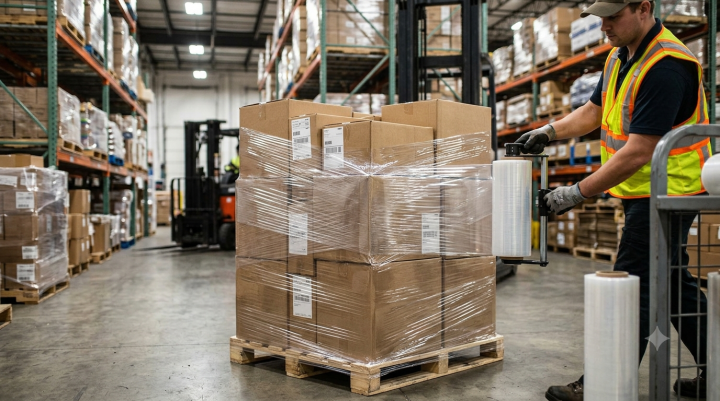
If you have ever received a pallet of goods wrapped tightly in clear plastic, you have already seen stretch film in action. It is one of the most widely used packaging materials in warehouses, factories, and retail businesses around the world.
Choosing the right stretch film can help protect products, reduce damage during transport, and improve packaging efficiency. However, with so many options available, it can be difficult to know which one is right for your needs.
This guide explains everything you need to know before making a purchase. By the end, you will understand how stretch film works, its benefits, common mistakes to avoid, and how to choose the best option for your business.
Stretch film is a highly stretchable plastic film used to wrap and secure products, especially those placed on pallets. When stretched around items, it creates a tight hold that keeps products stable during storage and transportation.
The main purpose of stretch film is to prevent goods from shifting, falling, or becoming damaged while being moved. It also protects products from dust, dirt, and moisture.
Most stretch film is made from linear low-density polyethylene (LLDPE), a durable plastic known for its flexibility and strength. Because it can stretch significantly without breaking, it provides excellent load stability.
There are several types of stretch film available, including:
This type is applied manually and is ideal for small businesses or low-volume packaging operations.
Machine-applied film is used in warehouses and manufacturing facilities that wrap large numbers of pallets daily.
This film is already stretched during manufacturing. It requires less effort during application and helps reduce material waste.
Colored options provide load identification, security, and inventory management benefits.
Understanding these different types can help you select the right stretch film for your packaging needs.
One of the biggest advantages of stretch film is its ability to hold products firmly in place. This reduces movement during shipping and lowers the risk of damage.
Products stored in warehouses are often exposed to dirt and humidity. A quality wrap creates a protective barrier that helps maintain product condition.
Compared with many alternative packaging methods, stretch film is cost-effective. It uses less material while still providing strong protection.
Wrapped pallets are easier to move using forklifts and pallet jacks. This helps improve productivity and reduces handling time.
Properly wrapped loads are less likely to collapse during transport. This protects both products and workers handling the shipments.
Colored and specialty films can help businesses identify products quickly. This makes warehouse organization easier and more efficient.
Selecting the right packaging solution requires careful consideration. Here are several factors to evaluate before purchasing.
Firstly, think about the weight of the products you are wrapping. Heavier loads often require thicker film for better support.
Film thickness is usually measured in microns or gauge. Thicker films provide greater puncture resistance, while thinner films can help reduce material costs.
Different products require different levels of stretch. A film with higher stretch capacity can often cover more loads while using less material.
If your business wraps only a few pallets each day, hand-applied stretch film may be sufficient. However, larger operations often benefit from machine-applied solutions.
Products stored outdoors may need additional protection from weather and UV exposure. Specialty films are available for these situations.
The cheapest option is not always the best choice. Consider overall performance, durability, and load security before making a decision.
Many buyers make simple mistakes when purchasing packaging materials. Avoiding these errors can save time and money.
Using film that is too thin can lead to tearing and poor load stability. On the other hand, excessively thick film may increase packaging costs unnecessarily.
Every load is different. Sharp edges, uneven shapes, and heavy products may require specialized film.
While budget matters, focusing solely on cost can result in poor performance and damaged products.
Even the best stretch film cannot perform properly if applied incorrectly. Employees should be trained to wrap loads consistently and securely.
Stretching beyond recommended limits can weaken the film and reduce its effectiveness during transport.
The packaging industry continues to evolve. Several important trends are shaping the future of stretch film.
Many manufacturers are developing recyclable and environmentally friendly packaging solutions. This helps businesses reduce waste while maintaining performance.
Advancements in material technology are creating films that use less plastic while delivering excellent strength.
Some modern packaging systems include tracking and monitoring features that improve supply chain visibility.
Automation continues to grow across warehouses worldwide. Advanced wrapping machines improve consistency and reduce labor costs.
If you want to learn more about packaging and pallet wrapping solutions, consider exploring these resources:
Packaging industry associations and trade organizations
Packaging equipment manufacturers
Supply chain and logistics publications
Warehouse management training programs
Packaging technology conferences and exhibitions
Additionally, speaking with experienced packaging suppliers can provide valuable guidance tailored to your specific needs.
Understanding stretch film before purchasing can help you make a smarter investment. The right product improves load stability, protects goods, reduces costs, and supports efficient operations. By considering factors such as thickness, load type, and application method, you can choose a solution that meets your packaging requirements.
Ready to improve your packaging process? Research your options carefully, compare product specifications, and select a trusted supplier that understands your business needs. Contact our team today.
The best option depends on your load size, weight, and wrapping method. Machine film works well for high-volume operations, while hand film is suitable for smaller businesses.
Film thickness depends on the products being wrapped. Heavy or sharp-edged loads usually require thicker film for added protection and durability.
Yes. Many types of stretch film can be recycled through appropriate plastic recycling programs. Always check local recycling guidelines before disposal.