x




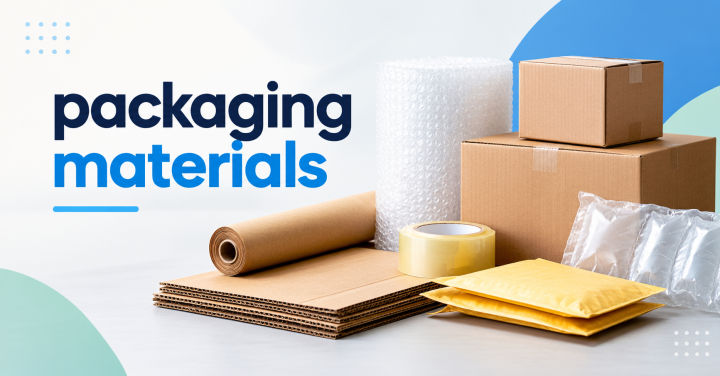
Imagine buying a product that arrives damaged, poorly wrapped, or difficult to open. Would you trust that business again? Probably not. This is why packaging materials play an important role in modern business. They do much more than cover a product. Good packaging protects goods, supports safe delivery, improves storage, and creates a better customer experience. In this guide, we will explain why packaging matters, how to choose the right options, and which common mistakes businesses should avoid.
Packaging refers to the materials used to protect, contain, store, and transport products. These can include boxes, tapes, films, labels, wraps, bags, and protective layers. The right choice depends on the product, shipping method, storage conditions, and business needs. For a small business, packaging may seem like a simple part of daily operations. However, it can affect many areas of the business. A strong package can reduce product damage during handling and transportation. It can also make packing faster and help products arrive in better condition.
For example, an online store may use corrugated boxes with packaging tape to protect orders during shipping. A manufacturer may use stretch film to secure several cartons on a pallet. A painting or construction business may use masking tape for clean and controlled work.
Another important factor is product protection. Different products need different levels of protection. Glass items need protection against impact. Food products may need suitable barriers against moisture or contamination. Industrial goods may require materials that can handle dust, pressure, or rough handling. Therefore, businesses should not choose packaging based only on price. They should consider performance, product safety, storage, shipping, and ease of use.
Products can face bumps, pressure, vibration, moisture, and rough handling while moving from one location to another. Suitable packaging creates a protective layer around the product.
For instance, stretch film can help keep cartons stable on pallets. Strong tape can help keep boxes securely closed. These simple solutions can reduce the chance of packages opening or shifting during transport.
Damaged products can create extra costs. Businesses may need to replace goods, handle customer complaints, or pay additional shipping expenses.
Choosing suitable packaging helps businesses protect their products from common transport problems. Better protection can also reduce unnecessary waste caused by damaged goods.
Packaging is often the first physical part of a product that a customer sees. A clean, secure, and easy-to-open package can create a positive impression.
For e-commerce businesses, this becomes even more important. Customers may never visit a physical store. Their first interaction with the product may happen when they open the delivery package.
Well-designed packaging can make an order feel organized and professional without adding unnecessary complexity.
Good packaging can make daily work easier. Workers can pack products faster when materials are easy to handle and suitable for the job.
For example, an appropriate tape can seal cartons quickly. Stretch film can help secure multiple boxes together. Simple improvements like these can save time across many orders.
Packaging also matters after production and before delivery. Properly packed products are often easier to stack, move, count, and store.
Businesses can choose packaging based on available warehouse space and handling methods. Better organization can make stock management easier and reduce unnecessary movement.
Packaging can also influence how a product looks on a shelf or when it reaches the customer. Clean surfaces, secure seals, clear labels, and suitable materials can make products easier to identify.
For brands selling online, custom packaging and printed tapes can also help create a consistent visual identity.
Choosing the right solution does not have to be difficult. Start by asking a few simple questions.
First, what are you packing?
Consider the product's size, weight, shape, and fragility. A lightweight item may need less protection than a heavy or delicate product.
Second, how will it be transported?
Local delivery may require different protection from long-distance shipping. Think about handling, stacking, weather, and storage conditions.
Third, how often will you use the material?
Businesses with high packing volumes should consider materials that are easy to apply and consistent in performance.
Fourth, what is your total cost?
Do not look only at the purchase price. Consider product damage, labor time, storage space, and material waste. A slightly higher-cost option may provide better value if it reduces other expenses.
Finally, consider your customers.
Packaging should protect the product while still being practical for the person receiving it. Avoid excessive layers when they are not needed.
One common mistake is choosing the cheapest option without checking performance. Low-cost materials may not always provide the protection required for a particular product.
Another mistake is using the same packaging for every product. Different products have different risks, so packaging should match the application.
Businesses should also avoid using too much material. Excessive packaging can increase costs, take up storage space, and create more waste.
Poor sealing is another problem. Even a strong box may fail if the closure is weak or applied incorrectly. Workers should follow simple packing procedures and use suitable sealing materials.
Finally, businesses should review their packaging needs regularly. Products, shipping methods, order volumes, and customer expectations can change over time.
The right packaging can protect products, reduce damage, improve efficiency, support storage, and create a better customer experience. That makes packaging an important part of everyday business operations. Instead of choosing materials based only on price, businesses should consider product needs, transport conditions, handling, and total cost. Start by reviewing your current packing process and identify areas where better protection or efficiency could make a difference.
They help protect products during storage, handling, and transportation. They can also improve efficiency, reduce damage, and create a better customer experience.
Businesses should consider the product's size, weight, fragility, shipping conditions, storage needs, and packing volume before making a choice.
Yes. Suitable packaging can provide protection against common problems such as movement, impact, pressure, and exposure during transportation.
Yes. Small businesses can benefit from better product protection, easier packing, fewer damaged orders, and a more professional customer experience.
Businesses can compare material performance, reduce unnecessary layers, improve packing methods, and choose materials that provide good value over their full operating life.