x




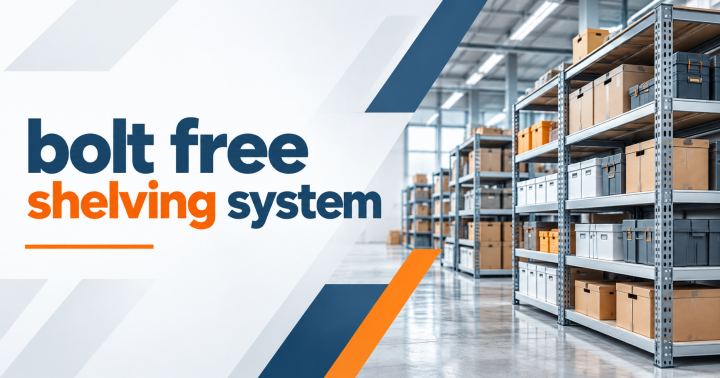
A messy warehouse can waste time, reduce productivity, and make daily work harder. Finding products becomes difficult when shelves are poorly arranged. A bolt free shelving system offers a simple way to create organized, flexible storage without complicated bolt-based assembly. It can help businesses use space wisely, improve product access, and manage inventory more efficiently. In this guide, we will explore its benefits, practical uses, and the key factors to consider before choosing one for your warehouse.
A bolt free shelving system is a storage solution designed to assemble without traditional nuts and bolts. Instead, its components connect through slots, clips, or other fitting mechanisms, depending on the design.
These shelves are commonly used in warehouses, workshops, retail stores, offices, and stockrooms. They can hold cartons, tools, spare parts, packaged goods, and many other items within their rated load limits.
One major advantage is flexibility. Many models allow shelf heights to be adjusted as storage needs change. This makes it easier to store products of different sizes without replacing the entire unit.
For growing businesses, this type of shelving can provide a practical way to improve storage organization while making better use of available floor space.
Limited storage space can create problems as inventory grows. Instead of spreading products across the floor, businesses can use vertical space with properly planned shelving.
Measure your warehouse before installation. Consider ceiling height, aisle width, doors, and access points. Then arrange shelves to provide enough capacity without blocking movement.
A well-planned bolt free shelving system can help create a cleaner layout and make better use of unused space.
Employees can waste valuable time searching for products when inventory has no clear arrangement.
To avoid this problem, group similar items together. Use labels to identify shelf levels and product categories. Keep frequently picked items in easy-to-reach locations.
For example, a spare-parts warehouse can place commonly requested components on accessible shelves. Less frequently used items can be stored elsewhere within safe reach.
These simple changes can reduce searching time and help employees complete orders more quickly.
Warehouse needs rarely stay the same. New products arrive, packaging sizes change, and seasonal demand affects inventory levels.
Adjustable shelving makes it easier to respond to these changes. You can modify shelf positions, reorganize product groups, and adapt the layout when permitted by the manufacturer's instructions.
This flexibility can reduce the need to purchase completely new storage equipment whenever requirements change.
Traditional bolt-based shelving may require tools and additional assembly steps. Depending on the model, bolt-free designs can make installation and adjustments simpler.
However, assembly methods vary. Always follow the manufacturer's instructions and confirm that every connection is secure before loading the shelves.
When planning a new bolt free shelving system, consider assembly requirements, installation space, and future adjustments. A suitable design can help reduce disruption during warehouse setup and reorganization.
Good storage supports safer, more productive work. Products stored in clearly defined locations are easier to find, count, and return after use.
Keep walkways clear and avoid placing goods where they could fall or obstruct access. Inspect shelves regularly for damage, loose fittings, or signs of overloading.
Remember that shelving improves organization only when employees follow consistent storage procedures. Simple rules and regular checks can make a meaningful difference.
Not every shelf can support the same weight. Check the manufacturer's load ratings and distribute products according to the instructions. Never exceed the permitted capacity.
Shelves that are too small waste space, while oversized units may restrict movement. Measure products and available storage areas before purchasing.
A layout that works today may become crowded as inventory grows. Consider expected stock changes and choose an adaptable design where practical.
Damaged frames, unstable connections, and overloaded shelves can create serious risks. Inspect equipment regularly and address problems promptly.
A bolt free shelving system can improve warehouse efficiency by making better use of space, simplifying product access, and supporting flexible storage arrangements. However, the best results depend on proper planning, suitable load capacity, clear labeling, and regular inspections. Before investing, assess your current storage problems and future requirements. Ready to improve your warehouse organization? Explore suitable shelving options from Abazar Shelving and choose a solution that fits your space, products, and daily workflow.
It is used to organize products such as cartons, tools, spare parts, packaged goods, and supplies. Common applications include warehouses, workshops, retail stores, and stockrooms.
It can be suitable for warehouse storage when its design and rated capacity match the intended load. Always verify the manufacturer's specifications before purchasing or loading shelves.
Many models are designed for straightforward assembly using slots, clips, or similar fittings. The exact process depends on the product, so follow the manufacturer's instructions carefully.
Many bolt-free shelving models feature adjustable shelf levels. This allows businesses to accommodate different product sizes and reorganize inventory as storage needs change.
Measure your available space, identify the products you need to store, and calculate their weight. Then compare dimensions, load ratings, materials, adjustability, installation requirements, and supplier support before making a decision.