x




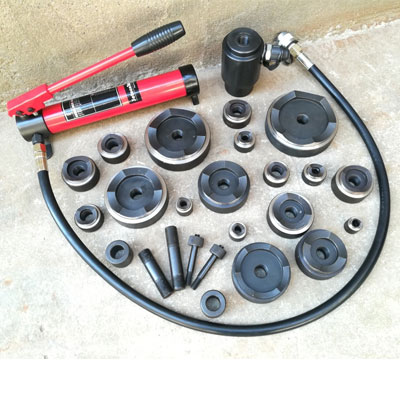
A hole saw cutter is one of the most valuable tools for professionals working with wood, metal, plastic, drywall, and composite materials. Whether you're an electrician, plumber, carpenter, or fabrication expert, the quality and correct use of a hole saw cutter can significantly affect the precision, speed, and finish of your work. Understanding a few professional techniques before drilling helps reduce material waste, extend tool life, and improve overall project efficiency.
Not every hole saw cutter is designed for the same application. Using the wrong cutter can result in rough edges, excessive heat, or damaged teeth. High-speed steel cutters are suitable for softer materials, while bi-metal and carbide-tipped options provide excellent performance on stainless steel, thick metal, and other demanding surfaces.
Professionals always match the cutter to the material thickness and hardness before starting a job. This simple step improves cutting accuracy and reduces unnecessary wear.
Accurate measurements are the foundation of clean, professional results. Mark the drilling location clearly using a center punch or marking tool to guide the pilot drill. A properly aligned pilot bit prevents the hole saw cutter from slipping during the initial cut.
Double-checking dimensions before drilling eliminates costly mistakes and ensures components fit perfectly during installation.
One of the biggest mistakes is operating a hole saw cutter at excessive speed. Different materials require different RPM settings. Softer materials generally allow faster cutting, while metals require slower speeds to prevent overheating.
Applying consistent pressure instead of forcing the tool allows the teeth to cut efficiently. This not only produces smoother holes but also increases the lifespan of both the cutter and the drill.
Heat is the biggest enemy of cutting tools. Continuous drilling without cooling can dull the teeth and reduce cutting performance. Professionals often use cutting fluids or lubricants when drilling metal to minimize friction and improve cutting efficiency.
For longer cuts, taking short pauses allows the hole saw cutter to cool naturally, preventing overheating and maintaining consistent performance.
As the cutter removes material, chips and debris accumulate inside the saw. Allowing these chips to build up increases resistance and generates unnecessary heat.
Experienced users periodically withdraw the hole saw cutter during drilling to remove debris. This simple practice keeps the cutting edge clean, improves visibility, and delivers faster, smoother results.
Even premium cutting tools require routine maintenance. After every project, inspect the hole saw cutter for worn teeth, cracks, or accumulated residue. Cleaning the cutter and storing it in a dry, organized toolbox prevents rust and accidental damage.
Replacing worn pilot bits and damaged cutters before they fail helps maintain safety while ensuring consistent drilling quality across every project.
Using a hole saw cutter effectively involves more than simply attaching it to a drill. Selecting the correct cutter, maintaining proper drilling speed, keeping the tool cool, clearing debris, and performing regular maintenance all contribute to cleaner cuts and longer tool life. By following these professional practices, users can improve productivity, reduce operating costs, and achieve accurate, high-quality drilling results on every job. A well-maintained hole saw cutter remains an essential investment for professionals who value precision, efficiency, and reliability.