x




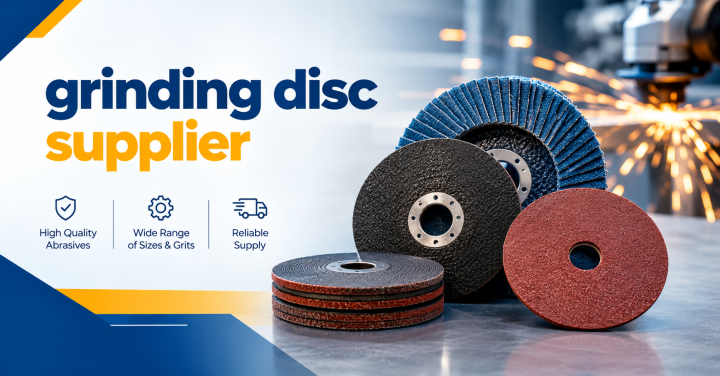
Choosing the wrong grinding disc can waste time, damage materials, and create safety risks. That is why finding a reliable grinding disc supplier matters for workshops, factories, construction teams, and metalworking businesses. The right supplier can help you select suitable products, maintain consistent quality, and manage costs. However, many buyers focus only on price and overlook other important factors. This guide explains the common mistakes to avoid and the key points to check before placing an order.
A grinding disc is an abrasive tool used to remove material, smooth rough surfaces, or prepare metal for further work. These discs are widely used in fabrication, construction, repair, and manufacturing.
However, not every disc suits every job. The correct choice depends on the material, grinding task, machine type, disc size, and required finish.
A dependable grinding disc supplier helps buyers understand these differences. They should provide clear product specifications and guidance on selecting suitable discs for specific applications.
For example, a disc designed for grinding metal may not be suitable for cutting. Using the wrong product can reduce performance and increase safety risks.
Therefore, choosing a supplier requires more than comparing prices. Product quality, safety information, stock availability, and customer support should all influence your decision.
Firstly, review the disc specifications before purchasing. Check its diameter, thickness, bore size, abrasive type, and maximum operating speed.
Make sure the product suits your grinder and intended task. A reputable supplier should provide clear product information and help you understand the differences between available options.
Grinding discs operate at high speeds. Poor-quality, damaged, or unsuitable discs can break during use and cause serious injuries.
Look for relevant safety markings, manufacturer instructions, and product documentation. Confirm that the disc's maximum operating speed meets or exceeds the grinder's required operating conditions.
Never use a disc that is cracked, damaged, or past its stated expiry date, where applicable. Always follow the grinder manufacturer's instructions and the disc manufacturer's safety guidance.
A low price can seem attractive, especially when purchasing large quantities. However, a disc that wears out quickly may increase replacement costs and interrupt work.
Compare product performance, expected service life, consistency, and suitability alongside the purchase price.
A trustworthy grinding disc supplier should explain the available options without making unrealistic performance claims. Ask for samples or trial quantities when practical.
Late deliveries can delay fabrication work and affect project deadlines. Before ordering, ask about stock levels, lead times, minimum order quantities, and delivery arrangements.
For businesses with regular grinding needs, reliable stock availability is especially important. Consider whether the supplier can support repeat orders and changing demand.
Good customer support helps buyers make informed decisions. Ask whether the supplier can explain product specifications, recommend suitable disc types, and provide technical documents.
Clear communication is also important when addressing product concerns or arranging replacements. A responsive supplier can make purchasing and maintenance planning easier.
Even experienced buyers can make mistakes when purchasing abrasive products. Here are some common problems and ways to prevent them.
Choosing by price alone: Compare quality, expected performance, and total operating costs.
Ignoring compatibility: Check the disc size, bore, intended use, and speed rating against the grinder's requirements.
Overlooking documentation: Request product specifications and relevant safety information before buying.
Ordering without checking stock: Confirm delivery dates and availability before committing to a project.
Ignoring storage requirements: Store discs as instructed by the manufacturer, protecting them from moisture, impact, and other damaging conditions.
Avoiding these errors can help reduce waste, improve workflow, and support safer grinding practices.
The right supplier can help your business maintain consistent product quality and avoid unnecessary purchasing problems. Suitable discs may improve workflow, reduce avoidable waste, and support a more predictable maintenance schedule.
For metalworking shops and industrial facilities, these benefits can add up over time. Still, results depend on selecting the correct disc, using it properly, and following all safety instructions.
Before choosing a grinding disc supplier, prepare a list of your main applications, required specifications, expected order quantities, and delivery needs. This makes it easier to compare suppliers fairly.
Choosing a grinding disc supplier should never be based on price alone. Product quality, machine compatibility, safety documentation, reliable delivery, and technical support all matter. By checking these factors, businesses can avoid common purchasing mistakes and make better decisions for their grinding operations.
Before your next order, review your equipment requirements and compare suppliers carefully. Request the relevant product documents, ask clear questions, and choose a supplier that understands your needs. A careful approach can help support safer work, better productivity, and more effective cost control.
Check product quality, specifications, safety documentation, delivery reliability, pricing, and customer support. Choose a supplier that provides clear answers and suitable products for your applications.
Check the disc's intended use, abrasive material, dimensions, bore size, maximum operating speed, and compatibility with your grinder. Follow the manufacturer's instructions before use.
Quality and suitability affect grinding performance, product life, and workplace safety. Always use an appropriate disc in good condition and follow the manufacturer's safety guidance.
Not necessarily. A low-cost disc may require frequent replacement or perform poorly in your application. Compare overall value, product specifications, and expected performance before buying.
No. Different materials and tasks may require different abrasive products. Select a disc designed for the material and operation, and never use a grinding disc for cutting unless it is specifically designed for that purpose.