x




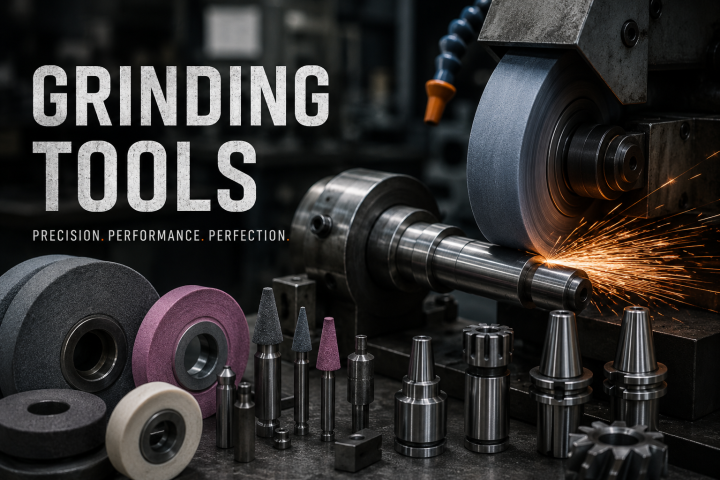
If you work with metal, wood, or concrete, choosing the right tool can make a huge difference. The wrong tool can slow down your work, create rough finishes, and even damage the material. That is why understanding grinding tools is so important. According to industry resources such as selecting the correct grinding equipment improves safety, efficiency, and overall project quality. Whether you are a DIY enthusiast, homeowner, or professional contractor, the right tool helps you get better results with less effort. In this guide, you will learn how to choose the perfect grinding tool for different materials. We will explain the key factors to consider, common mistakes to avoid, and trusted resources for learning more. By the end, you will feel confident selecting the best grinding solution for your next project.
Grinding tools are power tools or attachments designed to remove material from a surface. They use abrasive wheels, discs, or stones to smooth, shape, polish, or prepare materials.
These tools are commonly used in construction, woodworking, metal fabrication, and home improvement projects. Different materials require different abrasive types and grinding methods.
For example:
Metal often requires durable abrasive discs that can withstand heat.
Wood needs softer abrasives that prevent burning or deep scratches.
Concrete requires diamond-based grinding accessories for effective material removal.
The main purpose of grinding tools is to improve surface quality, remove imperfections, and prepare materials for finishing or painting.
Understanding the material you are working with is the first step toward selecting the right tool.
Choosing the right tool does not have to be complicated. Follow these simple steps to find the best option for your project.
Firstly, determine whether you are working with metal, wood, or concrete.
Each material has different hardness levels and surface characteristics. As a result, the abrasive wheel or disc must match the material.
For example:
Metal requires aluminum oxide or zirconia abrasives.
Wood benefits from flap discs and sanding attachments.
Concrete works best with diamond grinding wheels.
Using the correct abrasive improves performance and extends tool life.
Next, think about what you want to achieve.
Ask yourself:
Are you removing rust?
Smoothing rough edges?
Preparing a surface for painting?
Polishing a finished product?
Different tasks require different accessories. Heavy material removal needs aggressive discs, while polishing requires finer abrasives.
This simple step prevents unnecessary wear and improves results.
Several types of grinding tools are available today.
Common options include:
Angle grinders are versatile and widely used. They work well on metal, concrete, and masonry surfaces.
Bench grinders are stationary tools used for sharpening blades and shaping metal parts.
These compact tools are excellent for precision work and detailed finishing.
Concrete grinders are specifically designed for smoothing floors, removing coatings, and preparing surfaces.
Selecting the right tool type ensures better accuracy and efficiency.
Not every disc fits every grinder.
Before purchasing, verify:
Disc diameter
Arbor size
Maximum RPM rating
A compatible disc improves safety and performance. Using the wrong size can damage both the tool and the workpiece.
Power matters when selecting grinding tools.
Light-duty projects may only require a smaller grinder. However, larger jobs often need higher-powered equipment.
For frequent professional use, invest in tools with stronger motors and durable construction.
This provides better performance and longer service life.
Safety should always come first.
Look for features such as:
Adjustable guards
Anti-vibration handles
Soft-start technology
Automatic shut-off systems
Additionally, wear proper safety gear including gloves, eye protection, hearing protection, and dust masks.
These precautions help reduce workplace injuries and improve comfort.
Even experienced users sometimes choose the wrong equipment. Here are several mistakes to avoid.
Many beginners assume one disc works for everything. Unfortunately, this often leads to poor performance and excessive wear.
Always use material-specific accessories.
Every abrasive disc has a maximum speed rating.
Using a disc beyond its recommended speed can be dangerous and may cause failure during operation.
Cheaper products may seem attractive initially. However, low-quality abrasives often wear out faster and deliver inconsistent results.
Investing in reliable grinding tools usually saves money over time.
Regular cleaning and inspection improve tool performance.
Replace worn discs promptly and check for damage before each use.
Simple maintenance practices increase safety and extend equipment life.
Leading brands often publish instructional guides, maintenance tips, and safety resources.
Examples include:
Bosch
Makita
DeWalt
Milwaukee
Construction and fabrication organizations regularly offer training programs focused on tool safety and best practices.
These educational resources help both beginners and professionals stay updated with new techniques and equipment trends.
The future of grinding tools includes:
Brushless motor technology
Improved battery-powered systems
Smart safety monitoring features
Longer-lasting abrasive materials
Keeping up with these innovations can improve productivity and reduce operating costs.
Choosing the right grinding tools starts with understanding your material, project goals, and safety requirements. Metal, wood, and concrete each require different abrasives and tool types for the best results. By selecting compatible accessories, focusing on quality, and following safety guidelines, you can complete projects more efficiently and achieve better finishes.
Take time to evaluate your needs before buying. The right grinding tool will save time, improve accuracy, and help you achieve professional-quality results.
Angle grinders equipped with aluminum oxide or zirconia abrasive discs are among the most effective options for cutting, shaping, and finishing metal surfaces.
No. Different materials require specific abrasive discs. Using the wrong disc can damage the material and reduce safety.
Diamond grinding wheels are generally the best choice for concrete because they provide durability, fast material removal, and smooth surface preparation.