x




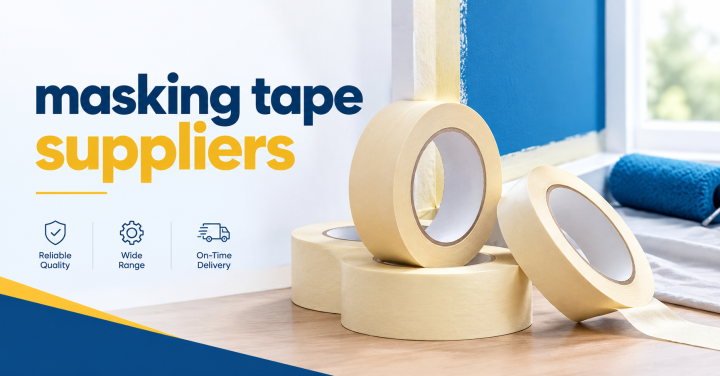
Masking tape may look like a simple packaging or painting product, but the wrong tape can create costly problems. Poor adhesion, residue, tearing, and inconsistent quality can slow down daily work. That is why many companies are taking a closer look at their masking tape suppliers. Businesses now want more than low prices. They need reliable quality, steady supply, useful product choices, and responsive service. In this article, we explain why supplier selection matters and what businesses should check before making a change.
Rethinking a supplier simply means looking again at whether your current supplier still meets your business needs. As companies grow, their tape requirements can change. A product that worked well for a small operation may not be suitable for larger production.
Today, businesses use masking tape across many industries. Painting, construction, automotive work, manufacturing, packaging, and maintenance can all require different tape properties.
For example, a painting company may need tape that creates clean edges and removes easily. An industrial business may need stronger adhesion and reliable performance during production.
This is why choosing the right masking tape suppliers involves more than comparing prices. Businesses should consider product quality, consistency, availability, technical support, and delivery times.
A dependable supplier can help reduce production delays and material waste. On the other hand, inconsistent tape can cause rework, damaged surfaces, and customer complaints.
Tape quality directly affects the final result. If masking tape does not stick properly, paint or other materials can spread beyond the intended area.
Good-quality tape should provide dependable adhesion for its intended application. It should also remove cleanly when used according to the manufacturer's instructions.
Businesses are therefore paying closer attention to tape thickness, adhesive performance, backing material, and temperature resistance.
Imagine a factory receiving excellent tape one month and a different-quality product the next. Such changes can make production difficult to manage.
Reliable masking tape suppliers should be able to maintain consistent product specifications across repeat orders.
Businesses also need suppliers that can meet agreed delivery schedules. A shortage of essential materials can interrupt work and increase operating costs.
There is no single masking tape that is perfect for every job.
Some applications need general-purpose tape. Others may require heat-resistant, high-adhesion, low-residue, or specialty products.
Before choosing a supplier, businesses should explain how the tape will be used. This helps suppliers recommend a product that fits the actual working conditions.
A cheaper roll does not always mean a cheaper solution.
Consider a tape that tears easily or leaves adhesive behind. Workers may spend extra time replacing it or cleaning surfaces. That lost time can cost more than the original price difference.
Businesses are increasingly looking at total value instead of simply choosing the lowest quote.
Ask for product specifications and samples before placing large orders. Test the tape in the same conditions where it will be used.
Find out whether the supplier can handle your regular order volume. Ask about lead times, minimum order quantities, and stock availability.
A supplier with several suitable tape options can make future purchasing easier. It may also help when your business expands into new applications.
Good communication can prevent many purchasing problems. Your supplier should answer questions clearly and provide useful product information.
Late deliveries can affect production schedules. Check the supplier's delivery process and discuss expected timelines before agreeing to regular orders.
One common mistake is choosing a supplier based only on price. Cost matters, but product performance and reliability matter too.
Another mistake is ordering large quantities without testing the tape first. A small sample order can help identify problems before they affect a major project.
Businesses should also avoid ignoring application requirements. Tape designed for one purpose may not perform well in another environment.
Finally, do not overlook communication. If a supplier takes too long to respond when an urgent issue appears, the business may face unnecessary delays.
Businesses are rethinking their masking tape suppliers because their needs are changing. Quality, consistency, application suitability, supply reliability, and customer support now play an important role in purchasing decisions.
The right supplier can help businesses reduce waste, avoid delays, and maintain consistent work quality. Before making your next purchase, compare suppliers carefully, test products, and focus on long-term value rather than price alone.
Businesses should check product quality, adhesive performance, product range, delivery reliability, pricing, and customer support. Samples can also help confirm whether a product suits the intended application.
Quality masking tape can provide more consistent adhesion and cleaner removal when used correctly. Poor-quality tape may tear, fail to stick, or leave unwanted residue.
No. The lowest price may not provide the best overall value. Businesses should also consider performance, waste, delivery reliability, and the cost of problems caused by unsuitable tape.
Not always. Different jobs can require different levels of adhesion, temperature resistance, flexibility, or clean removal. Businesses should match the tape to the application.
Start with samples or a small order. Test the tape under real working conditions and compare adhesion, removal, durability, consistency, and overall performance before placing larger orders.