x




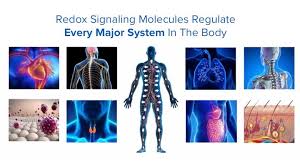
In today's fast-paced world, maintaining a healthy body can be a challenge. With the constant exposure to pollution, stress, and unhealthy food choices, it's easy for our bodies to become overwhelmed and out of balance. However, one key to optimal health lies in the intricate process of cell communication within our bodies.
Cell communication is essential for the proper functioning of all systems within the body. Cells need to be able to send and receive signals in order to coordinate activities, respond to changes in the environment, and maintain overall health and balance. One crucial aspect of cell communication is the use of redox signaling molecules.
Redox signaling molecules are small molecules that play a vital role in the body's cellular communication process. These molecules are involved in regulating various cellular functions, including immune response, energy production, and inflammation. When our bodies are under stress or facing challenges, redox signaling molecules help to restore balance and support overall health.
By using redox signaling molecules, individuals can support their overall health and well-being. These molecules help to regulate the body's natural defense mechanisms, promote efficient cellular communication, and enhance the body's ability to repair and regenerate damaged cells. As a result, individuals may experience improved energy levels, better immune function, and increased resilience to stress and environmental toxins.
Incorporating redox signaling molecules into your daily routine can be a powerful way to support your overall health and well-being. By maintaining a healthy balance of these essential molecules, you can promote efficient cell communication, enhance your body's natural defense mechanisms, and increase your resilience to stress and environmental toxins. Start incorporating these tips into your daily routine today and experience the many benefits of redox signaling molecules for yourself!
Meta-Description: Learn how to stay healthy by using redox signaling molecules to support optimal cellular communication and overall well-being.
James Eckburg