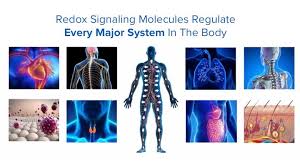
Key daily habits to help your gut work right with REDOX.
To help your gut work well and support a healthy REDOX balance (the balance between oxidative stress and antioxidants), focus on daily habits that reduce inflammation and nourish your microbiome.
Eat for gut + redox balance
- Prioritize colorful plants: Fill most meals with vegetables, fruits, whole grains, beans, nuts, and seeds; their fibers feed gut bacteria and their polyphenols and vitamins act as antioxidants that support REDOX BALLANCE.
- Include fermented and prebiotic foods: Yogurt, kefir, kimchi, sauerkraut, and prebiotic fibers (onions, garlic, leeks, bananas, oats) support microbial diversity, which helps maintain a healthier redox environment in the gut.
- Limit ultra-processed foods: Highly processed, sugary, and fried foods can drive inflammation and oxidative stress, disturbing both microbiome balance and REDOX HOMEOSTASIS.
Support daily detox and motility
- Hydrate all day: Water helps move fiber through the intestines, supports the mucus barrier, and aids in flushing oxidative by‑products and metabolic waste.
- Aim for at least one complete bowel movement per day: Regular elimination reduces the time potential toxins and oxidants stay in contact with the gut lining.
- Move your body: Gentle daily exercise (like 20–30 minutes of walking) improves gut motility and is linked with more favorable microbiome and redox profiles.
Protect sleep and circadian rhythm
- Keep a consistent sleep schedule: 7–9 hours of quality sleep supports gut microbial rhythms and helps regulate inflammation and oxidative stress.
- Avoid late heavy meals: Finishing eating several hours before bed aligns digestion with your body clock and reduces nighttime oxidative stress in the gut.
Manage stress to calm the gut
- Use a daily stress reset: Breathing exercises, meditation, light stretching, or walks can lower stress signals that otherwise increase inflammatory and oxidative pathways in the gut.
- Build small, repeatable rituals: Even a few minutes of relaxation at the same time daily can help stabilize the gut–brain axis and support redox balance over time.
Reduce avoidable oxidative load
- Be cautious with alcohol and smoking: Both increase oxidative stress and damage the gut barrier, disrupting microbiome and redox equilibrium.
- Use medications like antibiotics only when needed and prescribed: They can disrupt microbial communities that normally produce antioxidant metabolites and help regulate redox balance.
If you have persistent gut pain, blood in your stool, major weight loss, or symptoms that keep worsening, check in with a healthcare professional for personalized guidance.
James Eckburg
REDOX HEALTH