x




REDOX and MS
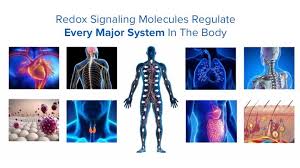
“Redox and MS” most likely refers to the role of redox imbalance, oxidative stress, and antioxidant defenses in multiple sclerosis. Research shows that MS is associated with disturbed redox homeostasis, including higher reactive oxygen species and altered antioxidant activity, and that these changes may contribute to disease activity and progression.
In MS, immune and nervous system cells can experience excess oxidative stress, which can damage myelin, oligodendrocytes, and other tissue involved in nerve signaling. Studies have also found changes in redox-related markers such as ROS, NADPH oxidase activity, SOD, catalase, Nrf2, and glutathione-related systems.
The redox system is being studied both as a biomarker and as a possible therapeutic target in MS, because tracking oxidative and antioxidant markers may help assess disease status and guide personalized treatment planning. Some reviews also suggest that boosting antioxidant pathways, especially Nrf2-related signaling, could be relevant to future MS therapies, though this is still an area of active research rather than a settled treatment approach.
A simple way to frame it is: MS is not just an immune disease; it also appears to involve oxidative stress and impaired cellular defense systems. That makes redox biology an important research area for understanding symptoms, progression, and potential supportive strategies.
James Eckburg