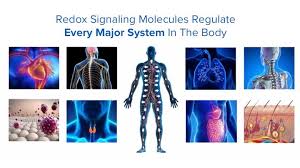
Ways to Manage Pain Throughout The Day with REDOX Signaling
Using Redox-Signaling support alongside standard self-care can help people manage pain more steadily across the day, especially when oxidative stress and inflammation are part of the picture. It works best as an adjunct to proven pain-management habits rather than a stand-alone fix.
Big-picture idea: pain & redox
- Chronic pain often involves oxidative stress, mitochondrial dysfunction, and neuroinflammation that keep nerves in a “sensitized” state.
- Redox Signaling pathways (ROS/RNS as messengers) regulate many inflammatory proteins in brain and nerve cells, so disturbed redox balance can amplify pain signaling.
All-day habits from WebMD-style guidance
- Move regularly: Gentle, regular activity (walking, swimming, yoga) can reduce pain over time by improving strength, flexibility, and releasing endorphins.
- Pace your day: Break tasks into chunks, plan rest periods, and avoid “boom–bust” activity cycles that flare pain later.
- Use mind–body tools: Relaxation, deep breathing, meditation, guided imagery, biofeedback, hypnosis, yoga, and Tai Chi can lower muscle tension and stress-related pain.
- Stay engaged: Enjoyable, absorbing activities (classes, hobbies, social connection) help shift focus away from pain and improve coping.
Where redox-signaling fits conceptually
- In chronic pain conditions like fibromyalgia, excess reactive oxygen species and inadequate antioxidant defenses create a self-reinforcing loop of oxidative stress, mitochondrial dysfunction, and inflammation.
- Therapies that modulate redox balance are being investigated to interrupt this loop, but large, high-quality human trials are still limited, so they are considered adjunctive rather than primary treatments.
Positioning topical REDOXGold-style support
- REDOXGold is promoted as a fast-absorbing gel that combines redox-signaling technology with biocompatible gold particles to calm overworked muscles and joint discomfort locally.
- Marketing materials state that gold microparticles may help activate redox-sensitive pathways in targeted tissues, aiming for relief within about 15 minutes and supporting natural cellular communication and renewal.
Practical “day-in-the-life” structure (with redox emphasis)
- Morning:
- Short mobility or stretching plus a brief breathing/meditation session to lower baseline tension.
- Apply topical redox-signaling gel to known “problem” joints or muscles before activity as a pre-emptive strategy (positioned as supporting local redox balance and comfort).
- Midday:
- Schedule movement snacks (3–5 minutes walking or gentle range-of-motion) and quick relaxation breaks to avoid stiffness and pain build-up.
- Reapply topical gel to areas that are working hardest (e.g., low back, knees, neck) to support ongoing muscle and joint comfort.
- Evening:
- Wind-down routine: light yoga or stretching plus relaxation or guided imagery to shift the nervous system toward “rest and repair.”
- Use topical redox gel on any flared areas after the day’s load to support recovery and comfort overnight.
For client-facing education, you can frame redox-signaling products as tools that may help support the body’s own signaling and recovery processes, layered on top of evidence-based movement and mind–body strategies, while being transparent that formal clinical evidence in pain populations is still emerging.
James Eckburg
REDOX HEALTH