x





Andrew Robinson reviews five of the best science picks.
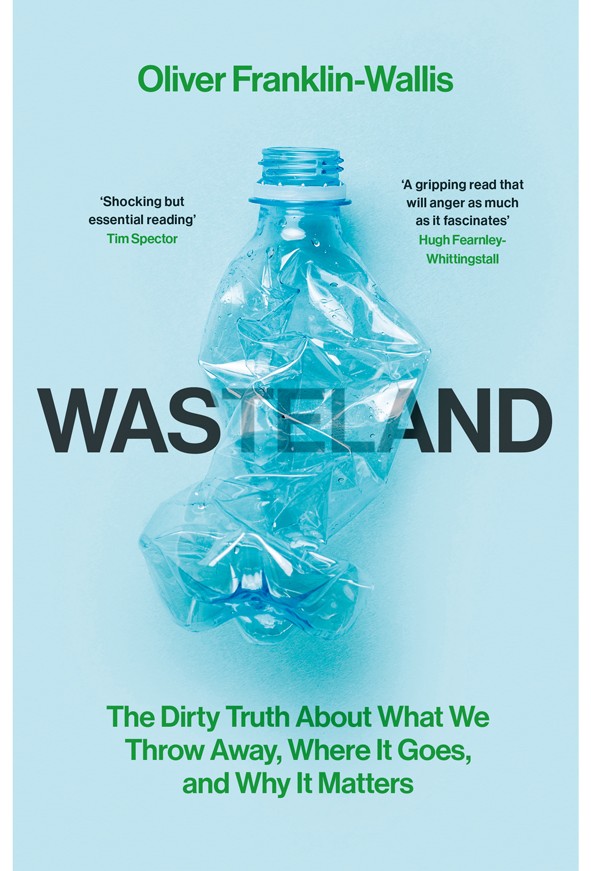
Wasteland
Oliver Franklin-Wallis Simon & Schuster (2023)
“Unlike people, garbage doesn’t lie,” writes journalist Oliver Franklin‑Wallis in his disturbingly vivid investigation of waste. The vast trash pile near New Delhi is known locally as Mount Everest. Most UK companies refused to show Franklin‑Wallis their landfill sites, yet London — like New York and San Francisco — is built partly on refuse. As for plastics, neither manufacturers nor consumers admit the extent of the disposal problem. Instead of discussing ‘plastics’, we should understand properties of specific polymers, he recommends.
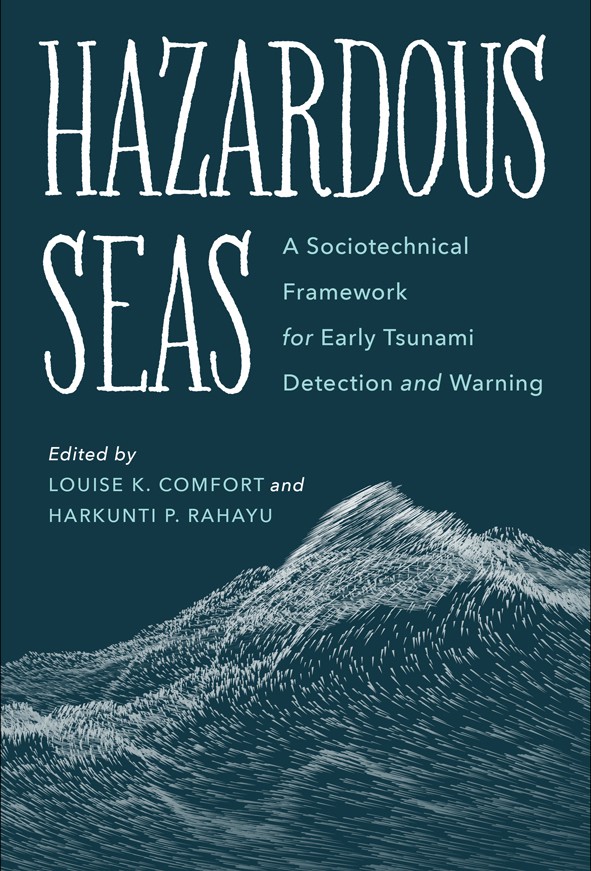
Hazardous Seas
Eds Louise K. Comfort & Harkunti P. Rahayu Island (2023)
The 2004 Indian Ocean tsunami — triggered by an earthquake off Sumatra — killed nearly 230,000 people, including around 125,000 Indonesians. It led to an intergovernmental tsunami warning system, with a high false-alarm rate. US disaster-management specialist Louise Comfort and Indonesian planner Harkunti Rahayu describe international collaborations to replace flawed warning devices such as deep-sea buoys with underwater sensors and networks of smartphone communication.
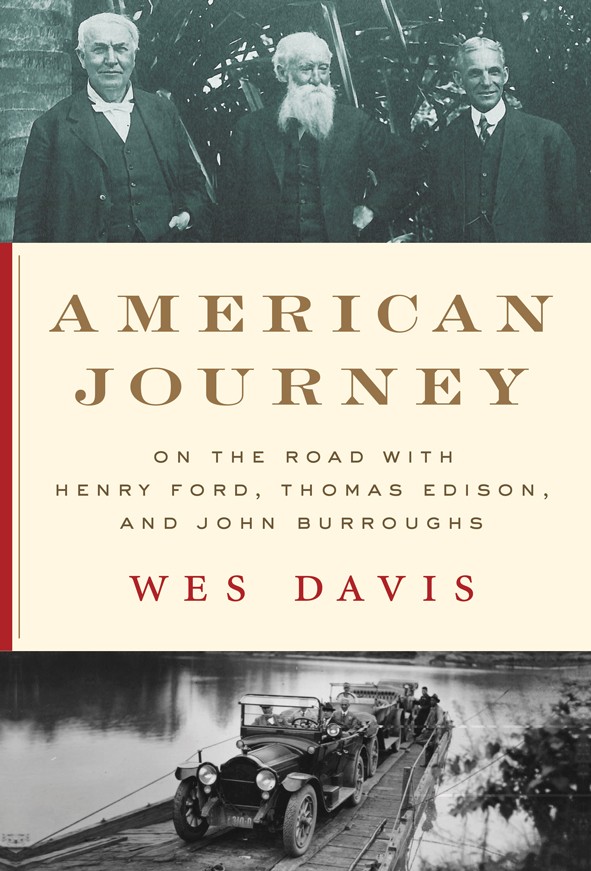
American Journey
Wes Davis W. W. Norton (2023)
US industrialist Henry Ford came to know inventor Thomas Edison in 1896, through their shared interest in internal combustion. He encountered John Burroughs in 1912, through an article the naturalist had written apparently disparaging cars. But after sharing a ride in a Ford Model T, Ford and Burroughs developed a lasting friendship. And soon the three enjoyed motorized adventures across the wilds of the United States, guided by the then-elderly Burroughs, as writer Wes Davis describes in this intriguing history full of lively details.
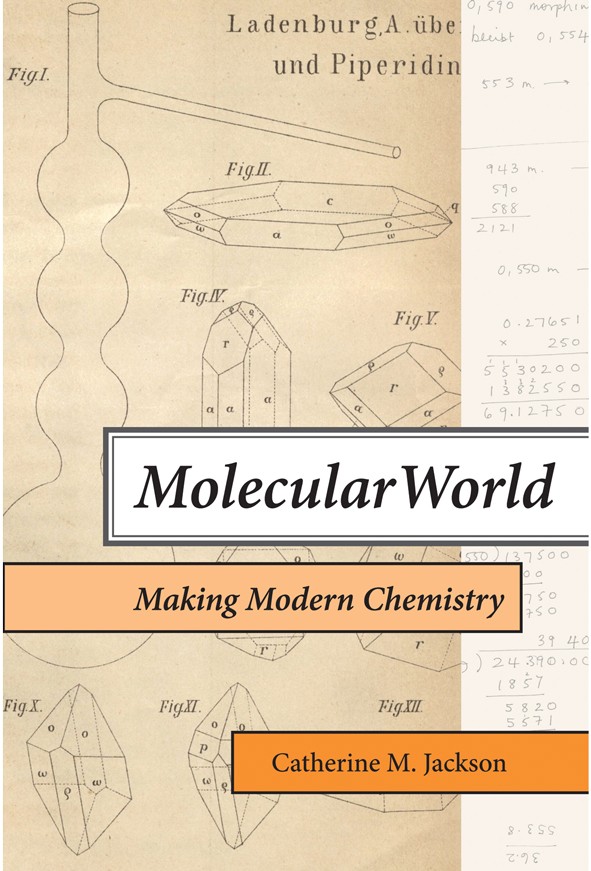
Molecular World
Catherine M. Jackson MIT Press (2023)
Eighteenth-century French chemist Antoine Lavoisier defined his field as the science of analysis, epitomized by his introduction of chemical elements. As a result, many historians have stressed the role of theory in organic chemistry. But Catherine Jackson emphasizes experimental reasoning. She focuses on the 1840s laboratory work on the alkaloids by Germans Justus Liebig, August Wilhelm Hofmann and Albert Ladenburg, in which “emergent theories of molecular constitution and structure” remained “tethered to messy reality”.
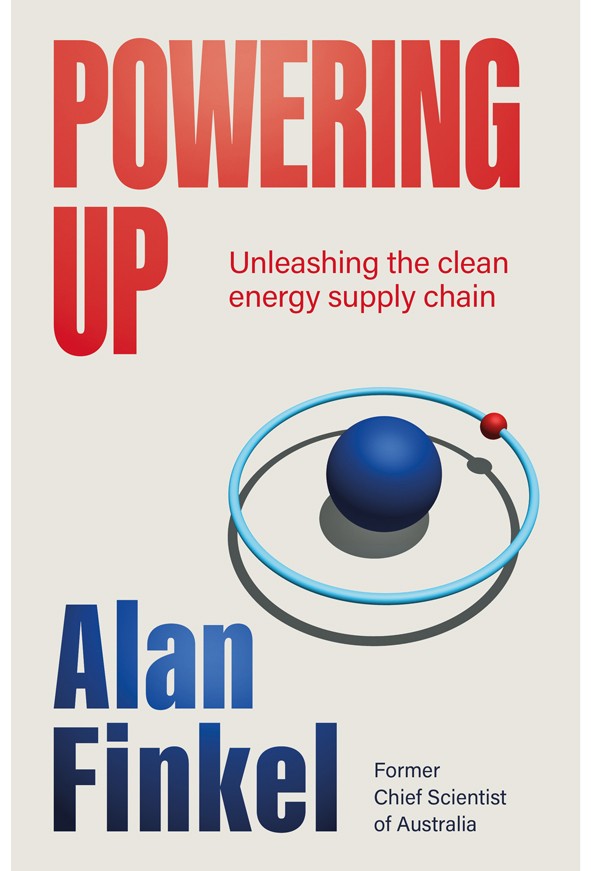
Powering Up
Alan Finkel Black Inc. (2023)
Electrical engineer and entrepreneur Alan Finkel, former Australian chief scientist, is inspired by architect Buckminster Fuller’s comment: “To change something, build a new model that makes the existing model obsolete.” His punchily written book considers how the world can achieve net-zero carbon emissions by creating a new supply chain of materials, markets, government policies and finance to put low-carbon energy technologies into practice. “Petrostates” must be turned into “electrostates”, he argues.
doi: https://doi.org/10.1038/d41586-023-02875-0