

x
Black Bar Banner 1
x

NEW: About Me Look — turn on a full-width dark About Me from your profile Configuration (Profile Page Upgrade). The Academy, profile feeds and Media Feed now read like the News Feed. See Subscriptions »

New: AI Blog Autopilot — free for the next 30 days. Switch it on by November 15th »

NEW: Smart Mail is live — free for every member. Send broadcasts, build lists and run autoresponders. Open Smart Mail »

New training: The Campaign Map. Watch it now »

A+ A−
Ads by Markethive - View All
The Blog Feed
The Blog Feed
» Blog Feed
Write a New Blog Post
Search Blog Status
Most Viewed
Most Recent
Most Shared
Alphabetical
Markethive Blog (default)
My Blog Posts
Friends' Blogs
Blog Categories
All
Advertising
Blockchain & Cryptocurrency
Business Development
Diet & Weight Loss
Environmental
Health and Wellness
History and Culture
Home and Garden
Marketing
Mentoring & Training
Money & Finance
Other
Political
Prayer & Religion
Programming & Technical
Real Estate
Search Engine Optimization
Social Media
Spirituality
Sports & Recreation
Transport
Travel & Events
Website Design
Blogging Tools & Assets
My Blog Info
Members Subscribed to You
Blogs You Are Subscribed To
Website Widget
Wordpress Plugin
Subscribe for Greater Services
Subscribe to one of many subscriptions, each one includes the previous ones.. Unlock powerful tools, advance features, to build a powerful reach.

Topics in Mobile Redirect Issues Part 1: Definition and Problem

Posted by Richard Tipsword on April 28, 2016 - 9:54pm Edited 10/2 at 6:53pm


Glenn E. Fleming, MD, MPH, Contributor

(Reposted from Patrick Sexton, https://varvy.com)

Definition:
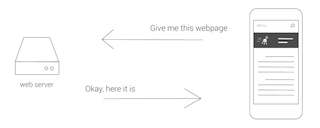
  • A redirect is a method of forwarding a user from one web address to another web address.  Under normal conditions, when a mobile device requests a certain document at a certain address, the server will normally just provide that document.  There are four common types of redirects which will be covered over the course of this series.  They include: Initial redirect (canonical), secure pages redirect (SSL), redirect to mobile, and content-driven redirects.


When there is a redirect, the web server does not provide the document.  Instead, it provides a new address for the document. The mobile device receives the address and makes a new request for the document to the new address. Then and only then does it receive the document.
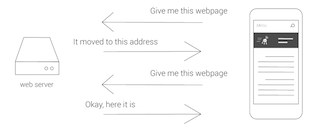
Why is this important?   Most importantly, the process can significantly decrease the performance of the website in question.  More specifically, a redirect can cause a mobile network to operate very slowly because each time any communication happens between the device and the web server, many things have to happen to facilitate that communication.

Redirects are very slow on mobile devices and should be avoided. If they have to happen, the amount of redirects should be as few as possible.

Redirects can be quite costly on mobile networks. Typically, with very redirect removed from your website, there will be a significant improvement in the speed in which your content is seen by users.