x




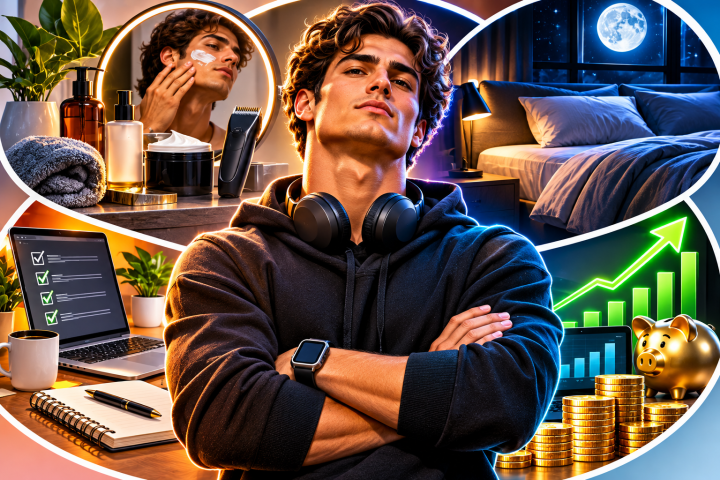

Maxxing culture is a trend of putting extreme effort into one area of your life. Those areas include your looks, your sleep, your productivity and your money.
You have probably seen a friend post a sleep score or a new skincare routine. That small pang of feeling behind is what this trend runs on. The trend moves fast because it lives in online trends on TikTok and similar apps. Short videos turn one goal into a plan, and the plan into a challenge.
Maxxing culture can carry real mental health costs when it runs without limits. Constant self-improvement can bring anxiety, comparison and rigid routines. Social media pressure makes this worse, because other people's progress often looks easy.
You will learn where the word came from, what it looks like, and how to tell when it has gone too far. Start by noticing whether your self-improvement leaves you calmer or more anxious, because that answer tells you more than any metric.
The suffix started as gamer jargon and reached everyday speech through internet forums. In Gen Z slang, maxxing means pushing one area of life as far as it can go, and the double x is the standard spelling.
The maxxing meaning traces back to min-maxing, a term from tabletop and video games. Min-maxing is a gaming strategy where a player puts all available resources into one trait. That gives the strongest mechanical advantage, but other traits pay the price.
Its incel origins are the reason looksmaxxing came first. Forums attached the suffix to real traits, mostly appearance. TikTok and Gen Z users then turned it into a joke template, and maxxing now snaps onto almost any noun. An Urban Dictionary entry dated June 12, 2024 defines the suffix as slang for maximizing one aspect of life.
The double x is the standard spelling, and it is the form you will see across the web.
The spread was fast. In March 2024, about 40 percent of students at a Georgetown University lecture recognized maxxing terms. Two months later, 80 percent did at Stanford University. Dictionary.com named maxxing its 2026 Word of the Year, and in February 2026 an official U.S. Department of Defense account on X used lethalitymaxxing. When you search, use the double x, since most results use it.

Some examples of maxxing are looksmaxxing, sleepmaxxing, productivity maxxing, moneymaxxing and friction-maxxing. The maxxing trend means picking one area of life and pushing it hard. Each form targets a different part of your day.
Looksmaxxing aims to improve physical appearance through skincare, grooming, fitness, fashion, tooth whitening and cosmetic procedures. Some people also post their faces for online rankings, which adds more pressure to look a certain way.
Sleepmaxxing and productivity maxxing are the forms most people meet first. The table below shows what each trend asks you to do.
| Trend | What it targets | Typical actions |
| Looksmaxxing | Physical appearance | Skincare, grooming, fitness, fashion, tooth whitening, cosmetic procedures |
| Sleepmaxxing | Sleep quality | Consistent bedtime, limited screen time, blackout curtains, sleep tracking |
| Productivity maxxing | Work and study time | 30-minute schedule blocks and deep work blocks |
| Moneymaxxing | Personal finances | Budgeting, investing, debt reduction, extra income |
| Friction-maxxing | Mental toughness | Deliberately doing hard things to build resilience |
Moneymaxxing and friction-maxxing follow the same pattern. Each one asks you to give up comfort in one area for progress in another. Pick one trend you already follow and list what it asks you to change each day.

Maxxing promises a finish line, but health and relationships never reach one. Both keep changing, with good weeks and bad weeks, and no single day settles them.
A goal turns into a trap when it leads to all-or-nothing thinking. The pattern is easy to miss because it looks like discipline from the outside. These are signs that a goal has crossed that line:
This is how perfectionism hides inside a healthy habit. It also sets a self-improvement limit that you can never meet. Replace the question "Am I maxed out?" with "Did I do enough today to keep going?"
Maxxing can raise anxiety, self-criticism and body-focused worry when the pressure never lets up. The pressure usually starts as a nagging voice that says you are behind. It does not always feel like a problem at first.
Constant self-checking sounds like questions such as "Am I improving fast enough?" Each answer leads to a new question. Over time, that loop can wear down your mental health.
A feed full of polished routines makes the loop tighter. Social media comparison makes you judge your normal life against someone else's best week. That judgment often turns into harsh self-talk.
Social media use focused on idealized bodies has been linked to a higher risk of muscle dysmorphia and orthorexia. Those links do not mean maxxing causes a disorder in every person. Still, the pressure can push some people toward restrictive eating or extreme grooming.
A 2025 analysis of published studies found that 1 in 3 people struggling with eating disorders are male. Many men never see themselves in that picture, so their body image worries often go unnoticed. The pressure is real for everyone who feels behind. If a routine makes you feel guilty when you skip it, that feeling is worth discussing with a professional.
The warning signs usually appear in behavior long before anyone says they feel stuck. Watch for changes in how you eat, sleep and spend time with people you care about. Those changes often show up first.
Some looksmaxxing behaviors go far beyond a skincare shelf. A 2023 study of an online looksmaxxing community analyzed 8,072 discussion-board comments, and that community had 6 million unique visitors per month. The table shows the extreme behaviors reported in clinical commentary and where unchecked pursuit can lead.
| Behavior | Where it is reported | Main risk |
| Intentional starvation | July 8, 2026 clinical commentary | Malnutrition and an eating disorder |
| Hammer or chisel used on facial bones | July 8, 2026 clinical commentary | Serious physical injury |
| Shared appearance pressure in forum posts | 2023 study of 8,072 comments | A body dysmorphia spiral that spreads to other members |
Your self-worth should not depend on hitting every routine. When it does, the trend has moved into your daily life. Watch for these red flags in yourself or in someone you love:
Talk with a doctor or therapist if the trend is affecting what you eat or how you sleep.
A good goal supports your health and your life, not just a number. Before you commit, run a quick check on your reason:
Self-compassion means speaking to yourself kindly while still wanting to grow. It involves kindness toward yourself, recognizing that everyone struggles, reducing self-judgment and practicing mindful awareness of what you feel.
Healthy habits work better when you can miss a day and return the next morning. This is flexible self-improvement, and it keeps the routine alive for years instead of weeks.
A habit earns its place only while it helps you feel better.
Notice how your body and mind respond after a workout, a bedtime or a budget check. Ask yourself each month whether the habit still helps you feel better, and drop it if it does not.
Maxxing is a trend worth noticing but not worth obeying. It repackages an old urge to improve, and that urge is healthy when you keep it flexible and kind. The maxxing culture around you can push you to chase more, but you decide when enough is enough.
Two takeaways matter most. A goal should serve your life, and a habit should leave you calmer, not more anxious. Your self-improvement is worth more when it supports your wellbeing.
This week, pick one maxxing habit you follow and decide whether it still serves you.