x




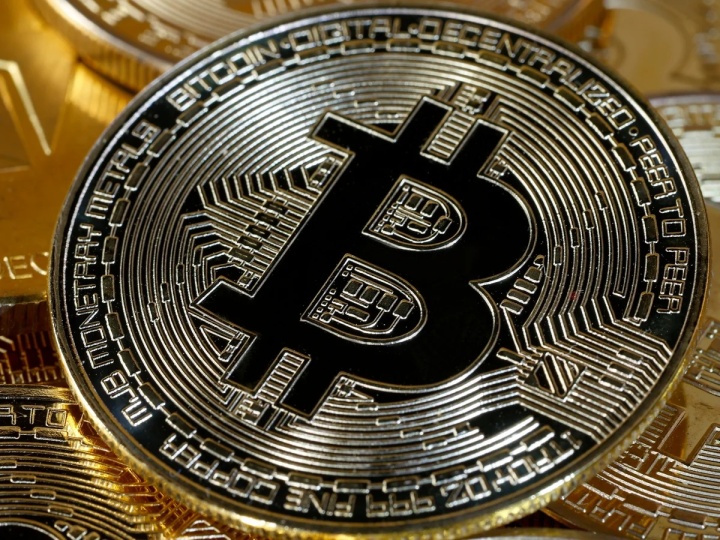
Bitcoin, the world’s first decentralized digital currency, has revolutionized finance, economics, and even geopolitics since its inception in 2009. Created by the pseudonymous Satoshi Nakamoto, Bitcoin introduced a peer-to-peer electronic cash system that operates without intermediaries like banks or governments. Over the years, Bitcoin has evolved from an obscure digital experiment into a trillion-dollar asset class, challenging traditional financial systems and rewriting the rules of the global economic game.
Join me on Salad and use code D5YMR0 for a 2x earning rate bonus! salad.com
At its core, Bitcoin is a decentralized ledger (blockchain) that records transactions transparently and immutably. Unlike fiat currencies controlled by central banks, Bitcoin’s supply is capped at 21 million coins, making it inherently deflationary. This scarcity mimics digital gold, positioning Bitcoin as a hedge against inflation and currency devaluation.
Decentralization ensures that no single entity can manipulate Bitcoin’s monetary policy, making it resistant to censorship and political interference. This feature has made Bitcoin particularly attractive in countries with unstable economies, such as Venezuela and Argentina, where citizens use it to preserve wealth amid hyperinflation.
Have You Heard Of Bitcoin YAY , Join Bitcoin yay here
Bitcoin’s rise has forced governments and financial institutions to reconsider their stance on money. While some nations, like El Salvador, have adopted Bitcoin as legal tender, others remain skeptical, citing volatility and regulatory concerns. Nevertheless, Bitcoin’s influence is undeniable:
Banking the Unbanked – Over 1.7 billion people lack access to traditional banking. Bitcoin enables financial inclusion by allowing anyone with an internet connection to store and transfer value.
Cross-Border Payments – Traditional remittance systems are slow and expensive. Bitcoin transactions are borderless, near-instant, and cost-effective, making them ideal for global commerce.
Institutional Adoption – Major corporations like Tesla, MicroStrategy, and Square have added Bitcoin to their balance sheets, legitimizing it as a store of value.
Despite its advantages, Bitcoin faces hurdles:
Regulatory Uncertainty – Governments struggle to classify Bitcoin (as a currency, commodity, or security), leading to inconsistent regulations.
Energy Concerns – Bitcoin mining consumes significant electricity, sparking debates about sustainability. However, many miners now use renewable energy, mitigating environmental impact.
Volatility – Bitcoin’s price fluctuations deter mainstream adoption as a medium of exchange, though long-term holders benefit from its appreciation.
Bitcoin’s role in the global economy continues to expand. As central banks explore digital currencies (CBDCs), Bitcoin remains the only truly decentralized alternative. Innovations like the Lightning Network improve scalability, enabling faster and cheaper transactions.
In the long run, Bitcoin could redefine monetary sovereignty, offering individuals financial autonomy beyond government control. Whether as digital gold, a payment system, or a hedge against economic instability, Bitcoin is undeniably rewriting the rules of the global financial game.
Have You Heard Of Bitcoin YAY , Join Bitcoin yay here
Bitcoin is more than just a cryptocurrency—it’s a paradigm shift in how we perceive and use money. By decentralizing finance, Bitcoin empowers individuals, challenges traditional institutions, and provides an alternative in an increasingly digital economy. While challenges remain, Bitcoin’s disruptive potential ensures it will remain a key player in shaping the future of global finance.
As adoption grows, one thing is clear: Bitcoin is not just part of the game—it’s changing it entirely.