x




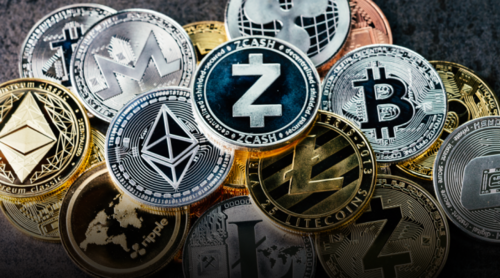
Since their introduction to the mainstream in 2009, cryptocurrencies have experienced rapid growth in value, utility, and popularity. Several are accepted by many retailers and merchants, and investors are eyeing them as a possible way to earn returns and store value. Governments are trying to figure out how to tax and regulate them.
Ethereum, the blockchain ecosystem, introduced not only a cryptocurrency but numerous use cases with its programmability and versatility; businesses and entrepreneurs are using it to create new technology, products, and services. The decentralization of finance is based primarily on the Ethereum blockchain and ecosystem, as is the emerging "metaverse" that could fuse our digital and physical lives.
With all the focus on digital assets, cryptocurrency, and the merging of realities, one of the many discussions that have substance is the one of cryptocurrency replacing fiat currency. Find out what is fueling these discussions, and learn how this change might affect the economies in which it occurs.
Many agencies and regulators define money as anything that is a widely accepted means of exchange, a store of value, and a unit of account. Fiat currency, sometimes referred to as real or physical money, has met all three requirements for more than a millennia.
However, advancements have already begun to reduce the need for physical currency in most developed countries. Debit cards and electronic transfers are replacing physical money, leading to a system where governments, banks, businesses, and people transfer funds by having a third party change numbers on the equivalent of an electronic ledger. Third parties are necessary to ensure transactions are valid, and the costs of maintaining these financial systems are high.
These third parties bring the necessity of trusting someone else with your money. This trust has been violated on many occasions—unethical practices by third parties have even contributed to global financial crises.