x






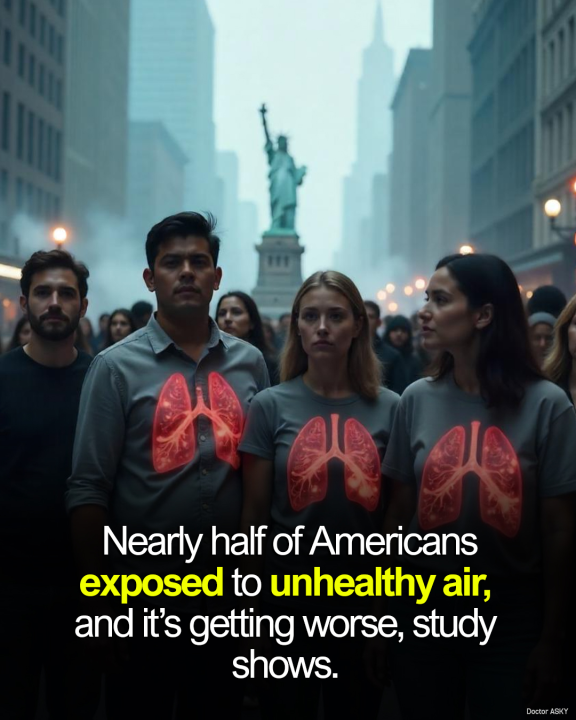
According to the American Lung Association's State of the Air report, almost half of the U.S. population—156 million Americans—are exposed to unhealthy air. This includes areas experiencing increasing pollution, exacerbated by events like record-breaking wildfire seasons between 2021 and 2023. Wildfires have sent smoke across much of the country, pushing air quality beyond acceptable levels, especially in regions that typically had better scores.
The report highlights alarming statistics: over 42 million Americans live in areas that fail all three key air quality measures, while 125 million reside in counties with failing ozone grades. The effects of fine particulate pollution, which can penetrate deep into the lungs and bloodstream, affect at least 77 million people daily. The issue disproportionately affects communities of color, with people of color being more than twice as likely as white Americans to live in areas with the highest levels of air pollution.
Despite progress made under the Clean Air Act, there are concerns that recent attempts to loosen environmental regulations could reverse these gains. The Trump administration's efforts to ease emissions limits and promote coal use, along with the current uncertain status of clean air policies under the Biden administration, put the progress at risk. Additionally, with two-thirds of U.S. counties lacking consistent air quality monitoring, the actual scale of the problem could be even worse than reported. As climate change accelerates, the number of people exposed to unhealthy air could continue to grow, underscoring the importance of stronger air quality policies. Be Pro Active and Start Taking Care Of Your Health at www.drinkbc6.com