x






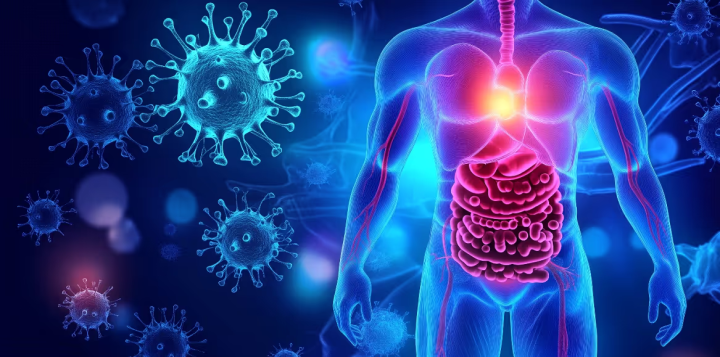
The human gut microbiome is a bustling metropolis of trillions of microorganisms that play a pivotal role in our human health and the overall microbial ecosystem. Within this environment, a vast number of bacterial species have been identified through advanced sequencing techniques, revealing the complexity and diversity of the gut microbiota. These gut microbes are involved in digestion, nutrient absorption, and even the modulation of immune responses. But the story of the human microbiome begins at birth, where it starts to influence our health from the very first moment.
A diverse and balanced gut microbiota is associated with better health outcomes. It’s like having a well-balanced ecosystem; the more variety, the more resilient it is against disruptions. This bacterial diversity helps in maintaining a stable environment that supports various bodily functions, contributing to a healthy microbiota. In fact, the number of microbes in the human body is estimated to be roughly equal to or even greater than the number of human cells, highlighting their significance in our biology.
Diet plays a significant role in shaping this microbial composition and diversity. High-fiber foods and polyphenol-rich plant-based foods are particularly beneficial. Fiber enhances digestion and feeds beneficial bacteria, including commensal bacteria, promoting a healthy gut flora. Commensal microorganisms play a crucial role in aiding digestion, supporting immune system development, and preventing colonisation by harmful pathogens. Polyphenols, found in fruits, vegetables, and teas, also support a healthy microbiome by providing antioxidants that beneficial bacteria thrive on. Additionally, gut microbes produce vitamins that are essential for human health.
When the gut microbiota is diverse and balanced, especially in healthy adults, it supports overall health and helps maintain resilience against disease.
Understanding the importance of gut health is just the beginning. The next step is to explore what happens when this delicate balance is disrupted, as it can have significant implications.
The gut microbiota plays a crucial role in the development and functioning of our immune system. From early life, the colonisation of the gut by microbiota is essential for proper immune system maturation, determining susceptibility to diseases later in life.
The interactions between gut microbiota and the immune system are complex, involving multiple signalling pathways and immune cell types. These interactions help maintain a balance between immune tolerance to gut microbiota and modulating immune responses against pathogens, with toll-like receptors (TLRs) playing a significant role in the immune response, including the regulation of pro inflammatory cytokines.
Environmental factors, such as diet and antibiotic use, can significantly disrupt gut microbiota, leading to altered immune responses and increased disease risk. Secretory IgA antibodies are also crucial in modulating gut microbiota composition and immune responses, protecting against pathogenic disruptions. The immune system must distinguish between commensal and pathogenic microorganisms to maintain immune balance and prevent inappropriate immune activation. Additionally, antimicrobial peptides play a role in these complex interactions. Oral administration of probiotics has shown to limit the severity of inflammation and improve immune responses linked to gut health.
Microbiota imbalances can foster the development of various immune-mediated disorders, particularly in genetically predisposed individuals. The gut-immune system connection is a testament to the intricate interplay between our gut health and overall immune function, contributing to immune homeostasis.
Learn More: www.shapeupforlife.com