x





Amino acids make up proteins, and for this reason, they are crucial to our survival—proteins are needed for most biological processes in our body. Some amino acids, called nonessential, can be produced by the human body, but we are responsible for providing our bodies with the nine essential amino acids through diet. That’s why it’s important to know the nutritional value of what we eat.
The Recommended Dietary Allowance (RDA) for protein is 0.8 grams for every 2.2 pounds of body weight. Many experts argue that the optimal level of protein intake is significantly greater than that. Animal food sources like lean meat, chicken or turkey, and fish, are protein-rich foods. If you follow a vegetarian diet, eggs and dairy are good sources of protein. If you chose a vegan lifestyle, quinoa and soy have the highest density of protein of any food source consistent with your diet.
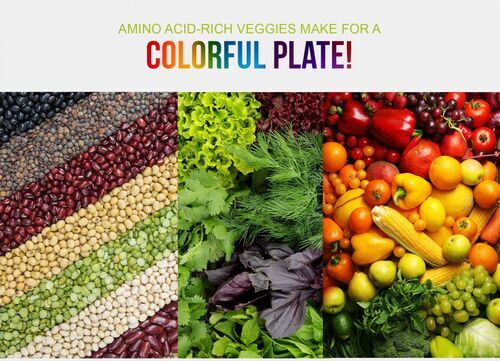
Vegetables normally call to mind vitamins and antioxidants, but let’s not forget the protein component of our favorite and flavorful greens and roots. The main difference between natural amino acids in vegetables and in meat is that meat contains all the essential amino acids and is, for this reason, considered a complete protein. Plant-based food sources generally do not have all the essential amino acids and are considered incomplete proteins.
What are the essential amino acids in vegetables?
Starchy vegetables, while not containing complete proteins, do deliver a significant protein content. A large baked Russet potato with the skin, for instance, contains 7.9 grams of protein, a cup of cooked sliced taro root has 5.7 grams of protein, and a cup of corn dishes up 5.4 grams of protein. Starchy vegetables, like potatoes, do not contain the amino acid lysine. Lysine plays many important roles in the body. Most importantly, lysine constitutes close to 20% of the essential amino acids in body proteins. In addition, carnitine (a nutrient that converts fatty acids into fuel to lower cholesterol) is derived from lysine. Carnitine also helps the body absorb calcium to ensure bone strength and collagen production. If you don’t eat meat, you should pair starchy vegetables with foods that have lysine, like beans or chickpeas. Sweet potatoes also contain tryptophan, which is vital to a healthy nervous system, brain health, and muscle growth.
Beans and legumes contain high levels of the amino acid lysine but do not contain the essential amino acid methionine. Methionine is crucial for the initiation of the production of every protein in the body. Because methionine contains sulfur, it helps form cartilage in the body. Sulfur is an important mineral for the production of bone cartilage. Methionine also enhances muscle growth and the formation of creatine, needed for optimal cellular energy. Beans also contain leucine, which stimulates muscle strength and growth.
Protein in leafy greens contains higher levels of the amino acids leucine, lysine, phenylalanine, and valine. Some of the ingested phenylalanine turns into tyrosine, which is another amino acid that’s needed to make proteins, brain chemicals, and thyroid hormones. Valine is needed for muscle health, growth, and repair. Spinach protein also contains a relatively high amount of isoleucine, which helps the body produce energy and hemoglobin.
Plant-based protein food sources, like quinoa and soy, can contain complete proteins with all the essential amino acids. If you follow a vegetarian or vegan diet, it’s good to know that you can combine these complete proteins with other plant-based protein food sources to obtain a protein-balanced meal.
Regardless of your diet, we recommend using supplements to enhance your muscle strength and mass. Essential amino acid supplements provide benefits that even the highest quality dietary proteins cannot. It’s important to mention that all amino acids need to be present in their optimal amount for supplements to be truly beneficial.
 MUSCLE LOSS - AGING - DISEASE ARE YOU AT RISK: LEARN MORE