x





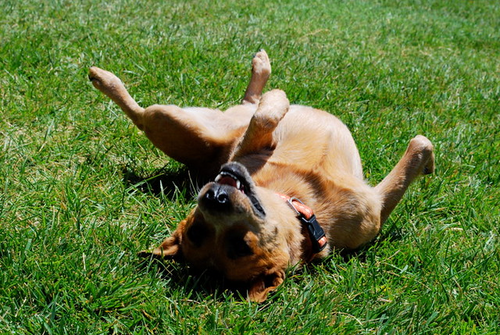
Have you noticed your dog or cat scratching a little more during the warmer months of the year? As a matter of fact, seasonal allergies can affect your furry friends.
Seasonal allergies in dogs typically manifest as irritated skin, ears, and noses, but the type depends on your pup and location. Allergies can take the form of runny noses, itchy skin, irritated ears, and excessive scratching. Even if your dog seems a bit off, it could be allergens getting to him/her. Consider how seasonal allergies affect you, and picture similar side effects on your pup.
Signs of allergies in your pet
Similar to humans, some signs of allergies in your pet may take the form of red and swollen eyes, runny nose, and recurrent sneezing. The most common symptoms that you may find are itchy skin and ear infections.
The itchy skin that your pet may experience can range from mild to extreme, and dogs and cats will scratch themselves raw in more intense cases. It would be a good idea to consider a visit to the vet if you see your pet licking themselves, rubbing on carpet or hard corners, or scratching themselves more than normal. Neglection of their excessive scratching can lead to open wounds and infection.
Why do pets get allergies?
Allergies occur when the immune system becomes less tolerant of an allergen, which can affect all living creatures. Seasonal allergies are the result of your pet coming in contact with something that they’re sensitive to. Oftentimes, this isn’t preventable as most allergens reside outdoors. Seasonal allergies are usually brought on by factors such as fresh grass, mold, dust, and pollen.
How are seasonal allergies diagnosed?
Your veterinarian can run a physical exam and skin tests to help diagnose your pet’s allergies and the severity of them. From there, common treatments include medications, allergen shots and skin ointments.
How to regulate your pet’s seasonal allergies
The most that you can do is limit your pet’s exposure to the allergens while maintaining suggested treatments from your veterinarian. To take extra precautions, wipe down your pet after outside time with baby wipes to hopefully remove some of the allergens from their skin. Another safety measure is to give your pet weekly baths with either medicated or oatmeal shampoo. Since the skin is the most affected, this will definitely soothe your pet’s irritation.
Seasonal allergies may affect everyone, but their impact on your pet’s can be long-term. Every pet is different and responds in unique ways, so keeping a stronger eye out on them during allergy season is crucial to their comfort.