x




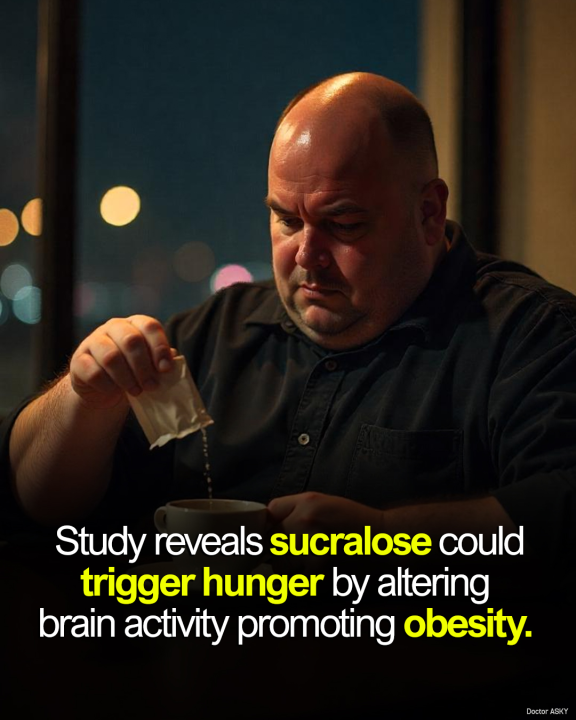
Recent research has explored how sucralose, a popular artificial sweetener, affects brain blood flow, particularly in the hypothalamus, an area of the brain involved in regulating hunger. The study involved 75 adults aged 18 to 35, categorized by weight—healthy, overweight, and obese. Each participant consumed one of three drinks: a sucralose-sweetened beverage, a sucrose-sweetened beverage, or water, and their brain activity was measured using MRI scans.
The results revealed that sucralose significantly increased blood flow in the hypothalamus compared to both water and sucrose. This increase in brain activity suggests that sucralose may stimulate hunger rather than suppress it, which runs counter to the usual expectation that artificial sweeteners would help curb appetite. Notably, participants with healthy weight showed the strongest hypothalamic response after consuming sucralose, while those who were overweight didn’t show much difference in brain activity across the drinks. For individuals with obesity, sucralose increased brain activity compared to water, but there was no significant difference compared to sucrose.
When gender differences were considered, women showed a stronger brain response to sucralose compared to men, suggesting that females might be more sensitive to food-related cues. Additionally, functional connectivity analysis revealed that sucralose increased the coupling between the hypothalamus and the anterior cingulate cortex, a brain region linked to reward processing, which could intensify food cravings.
The researchers also assessed participants’ hunger ratings and found that, despite similar hunger levels before consuming the drinks, those who drank sucralose-sweetened beverages reported feeling hungrier afterward compared to when they consumed sucrose or water. This suggests that sucralose may not trigger the body’s fullness signals, potentially increasing food intake.
While more research is needed to fully understand the effects of sucralose on hunger and brain function, these findings raise important considerations for those using artificial sweeteners to manage calorie intake and body weight. The potential for sucralose to inadvertently trigger hunger could lead to increased food consumption, counteracting its intended purpose. Take Your Brain Health Seriously at www.superbrainpower.org