x





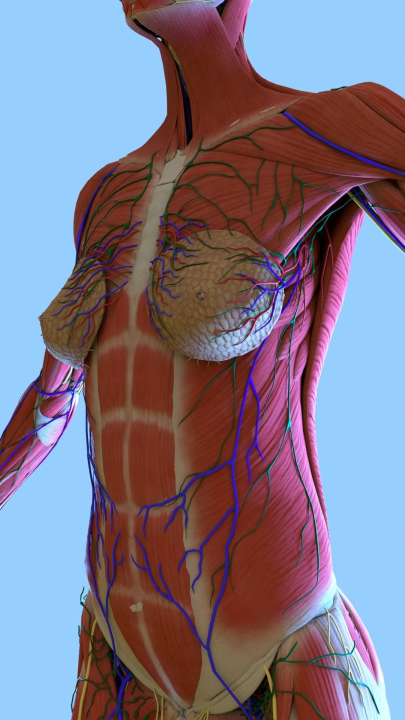
Breast cancer can now be detected 5 years before it develops thanks to AI:
Recent advances in artificial intelligence have shown remarkable potential for early breast cancer detection. AI systems are being developed that can analyze mammograms and identify potential cancer risks up to five years before clinical manifestation.
These systems operate through sophisticated deep learning models trained on extensive mammogram databases, enabling them to detect subtle imaging patterns that might escape human notice. Different research teams have taken varied approaches to this challenge. For instance, scientists at MIT and Massachusetts General Hospital created a comprehensive model that examines entire mammogram images for cancer-predictive patterns.
Meanwhile, Duke University researchers developed AsymMirai, which takes a more focused approach by analyzing breast tissue asymmetry between left and right breasts, achieving similar accuracy through a more streamlined and transparent method. AI is also proving valuable as a complementary tool for radiologists. The Mia system, currently being tested by Britain's National Health Service, serves as an additional layer of scrutiny, helping identify minute cancerous formations that human reviewers might miss. This capability for earlier detection can lead to more timely interventions and less aggressive treatment options.