x




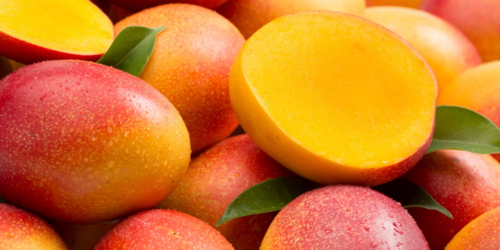
Yes, dogs can eat the juicy meat of the mango, but only in moderation and not all parts of the mango are safe for dogs to eat.
Most dogs will happily eat fruit, but not all types of fruit are good for them; in fact, some kinds of fruit can be toxic for dogs. The sweet and tasty soft flesh of mangoes is easy for dogs to eat, however, and, like many other fruits and vegetables, mangoes are generally a safe people food for your dog.
If you’re a dog owner who has mangoes on hand, it’s natural to ask yourself, “can dogs eat mango?” Tropical fruits like mango, which are popular during the summer months when they’re in season, can make a tasty treat for your dog as long as you know how much to feed them and what parts of the fruit to avoid.
Not only are mangoes safe for dogs to eat, but they’re also good for them. Mangoes contain essential vitamins like A, B6, C and E, making them a nutritious treat for your dog.
Parts of the mango can be bad for dogs, such as the skin and pit. Although the meat of the mango is considered a safe and healthy occasional treat, the skin and the mango’s pit have to be removed before you give mango pieces to your dog. While the skin is technically edible, it’s tough and difficult for most dogs to digest.
The pit of the mango is also potentially harmful to dogs. Given its size, it presents a choking hazard if swallowed. Even if your dog manages to swallow the mango pit without choking, it could get stuck and cause an intestinal blockage. Finally, mango pits contain small amounts of a toxin known as cyanide. While the amount of cyanide might not be enough to cause a serious reaction to your dog, it’s best to keep it out of their system entirely.
In addition to these risks, fruits like mangoes contain a lot of fiber, which most dogs aren’t used to. As a result, your dog could end up with an upset stomach or diarrhea. Also, mangoes are high in sugar, containing 46 grams of sugar per fruit. Too much sweet fruit in their diet could lead to digestive upset, tooth decay and diabetes.
Purina nutritionist Karina Carbo-Johnson advises, “Feed your dog different types of treats on different days to avoid feeding too much fruit. This helps keep your dog interested and prevents picky eating.”
Before feeding your dog mango, consult with your veterinarian. They can tell you how much you can give them and how often.
Peel the mango and remove the pit before giving any to your dog. You can cut the fruit into tiny chunks, for smaller dogs, but the soft flesh is easy for larger breeds to eat. In addition to serving it fresh, frozen mango is also a fun and tasty treat, especially during the summer.
When treating your dog to anything other than their regular food, follow the 90/10 rule: Any treats, no matter how healthy, should only comprise 10 percent of your dog’s daily caloric intake. The other 90 percent should come from their dog food.
Always check with your veterinarian before feeding your dog any new people food. Doing so ensures your dog doesn’t eat anything toxic and maintains safe, healthy amounts.