x





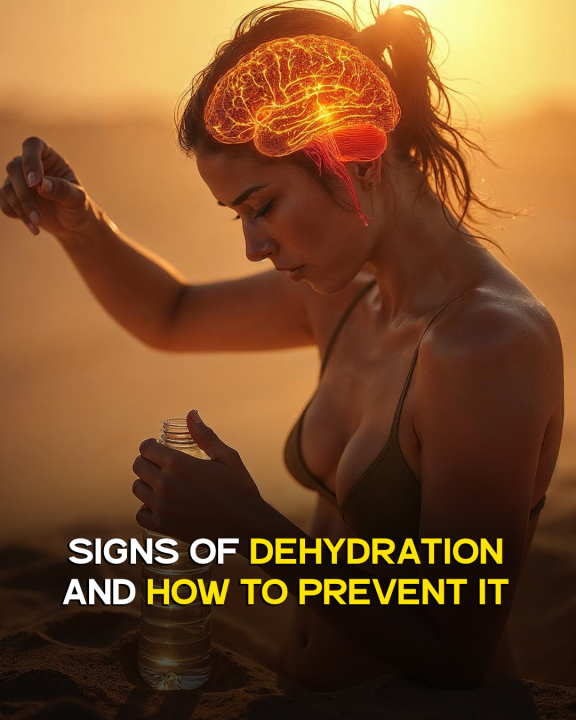
Dehydration happens when your body loses more fluids than it takes in, and it can affect everything from your energy levels to how well your organs function. It’s not just about feeling thirsty—by the time you're actually thirsty, your body is already running low on water. The hallmark signs of dehydration are easy to overlook but important to recognize early.
The most common sign is dark yellow urine—a clear signal that your body needs more fluids. Other signs include dry mouth, chapped lips, and less frequent urination. You may also feel dizzy, lightheaded, or have headaches. Many people experience fatigue or low energy, since dehydration slows down circulation and nutrient delivery to cells. A fast heartbeat or rapid breathing can also appear, as the body tries to compensate for low blood volume. In severe cases, dehydration may cause confusion, sunken eyes, and even fainting.
One of the easiest ways to check for dehydration is the skin pinch test—if you gently pinch the skin on the back of your hand and it doesn’t snap back quickly, you may be dehydrated.
To prevent dehydration:
Drink 8–10 glasses of water daily, or more if you're active or in hot weather.
Don’t wait until you’re thirsty—sip water throughout the day.
Eat water-rich foods like cucumbers, oranges, watermelon, and lettuce.
Limit caffeine and alcohol, which increase fluid loss.
During exercise, rehydrate every 20 minutes with small sips.
In illness, especially with vomiting, fever, or diarrhea, increase fluid intake or use oral rehydration solutions.
Hydration keeps your brain sharp, your skin glowing, and your organs functioning properly. Make water your best friend—your body depends on it! Learn More About Your Health at www.bovinebob.com