x





Some people dread growing old because of age-related illnesses. Being a burden to others and not being able to care for oneself can be truly embarrassing for anyone who has lived most of their life independently. Hence, losing your memory to a cognitive disease can be terrifying. This is the future of many people because of dementia.
What Is Dementia?
As one reaches age 65, there’s a risk of impaired memory, decision-making, and critical thinking. This is not a natural aging process but rather a symptom of an illness. Also, dementia is not an illness but a general term associated with those mentioned symptoms.
Today, 55 million people are living with dementia worldwide. Sadly, because of its very complex nature, there is no cure for the disease being discovered today. Prevention is key for many people who are likely to develop the disease because of genetics.
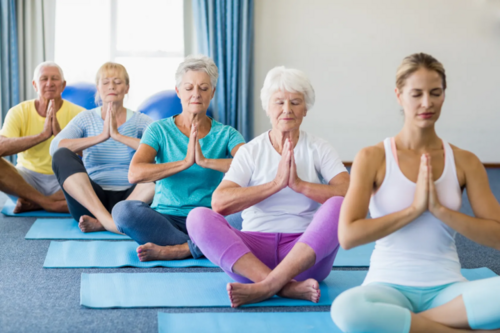
Studies have shown that there are several preventive measures like exercise and brain activities one can do to delay the onset of dementia. This article will focus on exercise and how it can help with dementia. But people need to understand the different types of dementia and the risk factors associated to help them prepare.
Anticipating the future for yourself or the people you love need not be grim. Even if you’re genetically predisposed to have the disease, you can prepare for it. Aside from the preventive measures, you can also consider looking at care facilities equipped with memory care services.
The Different Types of Dementia
Below are the different types of dementia and their symptoms.
The Risk Factors of Dementia
Dementia is not exclusive to the elderly. It can progress among younger adults’ brains if they’re exposed to the following:
Fortunately, there are strategies to prevent the onset of dementia. This includes changing your lifestyle, eating healthy, and exercising regularly.
How Can Exercise Help Lower the Risk Of Dementia?
According to a study, regular and long-term exercise can reduce the risk of neurological damage. The study shows a 45% less likelihood of developing Alzheimer’s disease in people who begin to exercise in their 30s. In contrast, those who start exercising later in life have less age-related brain shrinkage observed.
Dementia is a result of cells dying in the brain. Exercise and physical activity help by doing the following:
Improve Arterial Health
Arteries are vital in cardiovascular health, and clogged arteries result in stroke, a risk factor for dementia. A build-up of plaque in the arteries can be avoided through regular aerobic exercises. When oxygen-containing blood can move freely through your body, it can help fuel all body functions and keep one healthy.
Alter Brain Chemistry
Toxic proteins residing in the brain can affect the communication of neurons. This results in cognitive decline. Exercise helps strengthen the connection of these neurons and, in time, helps protect these neurons from toxic proteins. Exercising also helps develop healthier neurons to ward off these toxic proteins that deteriorate brain health.
Improve Mood
Exercising helps release dopamine—a neurotransmitter considered as the body’s natural happy hormone. When dopamine levels are high, it improves one’s mood and fuels the feeling of optimism. It reduces the symptoms of depression which is another risk factor for dementia.
Overall, it’s not necessary to do vigorous aerobic exercises to achieve your desired result. Remember that even simple household chores like vacuuming and doing the laundry can effectively help. Any physical activity can be beneficial. It could be sports, walking regularly, climbing stairs, or gardening.
Final Thoughts
Suppose you feel you want to change your lifestyle to avoid the onset of dementia, especially if it’s in your genes; you still would need to talk to your doctor about it. If you’re genetically predisposed, you can have yourself assessed by a specialist and have them make appropriate recommendations for you.
You can begin with the little things like skipping the elevator when you need to climb just a flight or two stairs and maybe plant some herbs in your backyard. These small things can contribute significantly to your overall health.