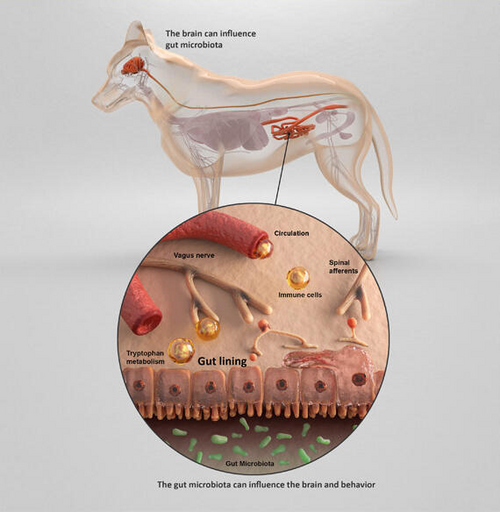
The term ‘gut-brain axis’ refers to the constant bidirectional communication between the gastrointestinal tract and the brain.
The idea that the gut influences the brain, and therefore also behavior, is widely understood and accepted. The concept has made its way into everyday language with terms such as ‘gut feeling’, ‘gutsy’ and ‘butterflies in the stomach.’ Despite this, scientists have only recently begun to unravel the mechanisms behind the gut-brain axis. This communication link is at the core of an emerging area of research – neurogastroenterology.
Mounting evidence suggests that gut microbes help shape normal neural development, brain biochemistry and behavior.1 In particular, the gut microbiota are emerging as a key node in the communication between gut and brain. This has led to the coining of a new term: microbiota-gut-brain axis.
The microbiota use several different channels to communicate with the brain and central nervous system (CNS), including:
- The enteric nervous system (ENS): Sometimes called the ‘second brain,’ hundreds of millions of neurons that extend along the length of the digestive tract comprise the ENS. This system communicates subtle changes within the gastrointestinal tract to the brain via the vagus nerve. Primary pathways through the vagus nerve mediate communications between the gut microbes and the CNS.
- The sympathetic nervous system: The release of adrenaline and noradrenaline from the brain and adrenal glands leads to the behavioral responses of fight, flight, or freeze, and can also alter gut motility.
-
- The hypothalamic-pituitary-adrenal axis: This system mediates the secretion of cortisol, which influences the immediate stress response. Research has shown that gut microbiota may affect the development of these neural systems that govern the endocrine response to stress.
-
- Immune signaling: Another way that the gut microbiota seem to alter messages to the brain. Evidence shows that the gut microbiota can affect immune cells located in the gut mucosa that modify the activity of sensory neurons of the ENS. These immune cells release cytokines that are important in host responses to inflammation and infection.
-
- Gut bacterial metabolites: Through the fermentation and metabolism of indigestible fibers (e.g. prebiotics), the gut microbiota produce short chain fatty acids (SCFAs) including acetate, butyrate, lactate and propionate. SCFAs have been singled out as particularly important metabolites with possible influences on brain function. Additionally, the gastrointestinal tract and its bacteria contribute to the body’s production of hormones and neurotransmitters, including dopamine and serotonin.
The microbiota-gut-brain axis
Research has shown many links between gut bacteria and conditions such as obesity, Alzheimer’s disease and pet anxiety.2-4 The latter is important because up to 70% of behavioral disorders in dogs can be attributed to some form of anxiety.
The role of the veterinary general practitioner in identifying and treating their patients’ behavior problems – such as anxiety – is a crucial one
Protect Your Pets With Colostdrum6 For Pets