x






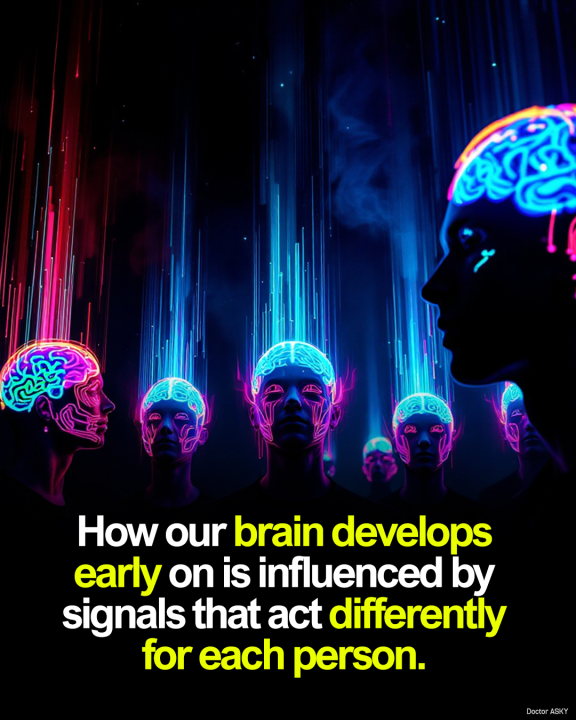
A new Yale-led study reveals how two morphogens, WNT and Sonic Hedgehog, act as molecular “traffic cops” in early human brain development. These signals guide stem cells in their differentiation into specialized brain cells by activating gene programs that shape different brain regions. For just five days, these morphogens, present in the developing brain, set the stage for gene activity that determines brain structure.
The study found intriguing variations in sensitivity to these signals, both between different donors and even among stem cells from the same individual. This suggests that both genetic and epigenetic factors influence brain development at the molecular level. Using a custom device, Duo-MAPs, the researchers were able to analyze how exposure to these signals regulated gene activity in organoids derived from human stem cells.
Interestingly, the response to morphogens varied. Some stem cell lines showed greater sensitivity to WNT, influencing the hindbrain, while others responded more to Sonic Hedgehog, affecting areas like the basal ganglia. The findings indicate that brain development is more fluid and adaptable than previously understood, influenced by both genetic and environmental factors.
This discovery provides deeper insights into the variability of human brain development and could pave the way for more precise models to study developmental processes and disorders. Learn More: www.bobbybrownbiz.com