x






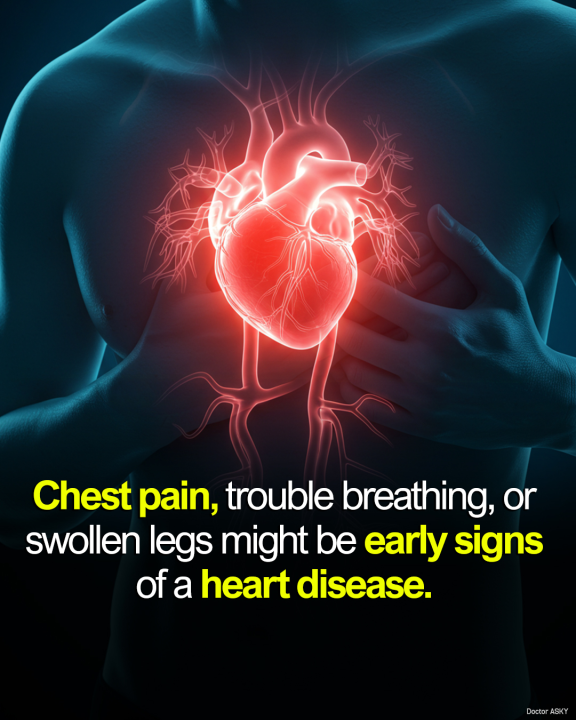
Chest pain, trouble breathing, or swollen legs might be early signs of a serious condition.
Heart disease is the number one killer in the United States, causing about 1 in 4 deaths across all genders and ethnicities. It’s not just one illness, but a group of conditions that affect how the heart and blood vessels function. The most common type is coronary artery disease, which happens when fatty deposits—called plaque—clog the arteries that carry blood to your heart. When these arteries get blocked, the heart doesn’t get enough oxygen or nutrients, and over time, this can lead to heart attacks, heart failure, or dangerous heart rhythms.
But coronary artery disease is only one piece of the puzzle. Congenital heart defects, like holes in the heart or malformed valves, are present at birth and may go unnoticed until a check-up. Arrhythmias, or irregular heartbeats, can make the heart beat too fast, too slow, or just out of sync. Some types, like atrial fibrillation, can raise the risk of stroke, while others can be deadly if not treated.
Dilated cardiomyopathy occurs when the heart becomes enlarged and weak, often due to past heart attacks, toxins, or genetic factors. Another condition, hypertrophic cardiomyopathy—usually inherited—causes the heart walls to thicken, making it harder for the heart to pump blood and potentially leading to sudden death in young athletes. Valve problems like mitral valve regurgitation or prolapse also make it difficult for blood to flow efficiently, while aortic stenosis restricts blood from leaving the heart, making it work harder than it should.
Symptoms can vary depending on the specific heart condition. Some people experience no symptoms at all. Common warning signs include chest pain, shortness of breath, extreme tiredness, lightheadedness, and swelling in the feet or legs. A heart attack can also cause nausea, sweating, pain in the arm or jaw, and a feeling of pressure in the chest. In children with heart defects, bluish skin and trouble exercising are common signs.
Heart disease can develop due to damage to the heart muscle, clogged vessels, low oxygen supply, or rhythm issues. Risk factors include high blood pressure, high cholesterol, smoking, heavy alcohol use, obesity, diabetes, poor diet, family history, and lack of exercise. Stress, sleep apnea, and even pregnancy complications like preeclampsia can also raise the risk. While genetics play a role, many cases are tied to lifestyle—meaning early changes in habits can lower your risk significantly. Time To Take Better Care Of Your Health at www.drinkbc6.com