x





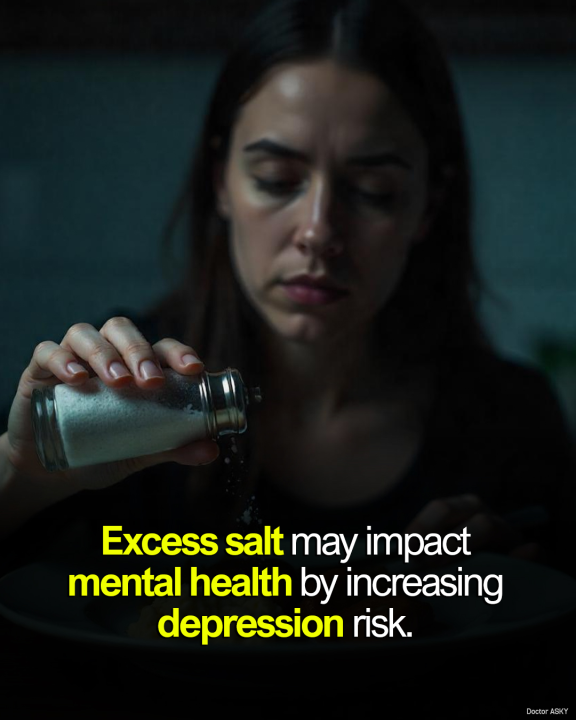
A recent study investigating the link between high salt consumption and depression found that a high-salt diet in mice led to depression-like behavior, raising concerns about the potential mental health risks of excessive salt intake. The researchers fed mice either a normal or high-salt diet for 5 to 8 weeks and observed behavior changes. The mice on the high-salt diet exhibited symptoms resembling those of a depression model known as chronic restraint stress.
Further analysis revealed that the high-salt diet led to increased production of IL-17A, a cytokine associated with depression. This was especially notable in certain cells, particularly γδT17 cells, which were found to be a key source of IL-17A in the brains, spleens, and peripheral blood of the high-salt diet mice. The production of IL-17A was linked to the depression-like behaviors observed in these mice.
When researchers diminished the γδT cells using an anti-γδTCR antibody, the depression-like behavior in the mice decreased, suggesting that these cells play a critical role in the high-salt diet’s impact on mood. The study concluded that a high-salt diet may contribute to depression-like behavior in mice, possibly by inducing IL-17A production in γδT17 cells.
While these findings offer intriguing insights into how salt could affect depression, the results were based on mice, and more research is needed to determine whether similar effects occur in humans. Experts caution that translating mouse data to human conditions is challenging, particularly when it comes to diagnosing and measuring depression.
In addition to the mental health concerns, high salt intake has well-documented physical health risks, including hypertension, heart disease, stroke, and kidney damage. Experts advise that reducing salt intake could not only protect physical health but also potentially reduce the risk of depression, offering a compelling reason to be mindful of sodium consumption Take Care of Your Brain Health at www.superbrainpower.org