x





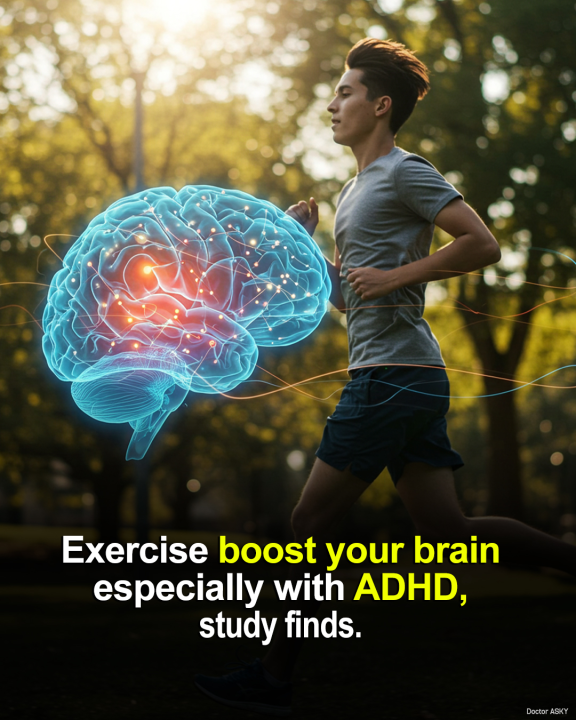
Exercise isn’t just good for your body—it’s a powerful tool for your brain, especially if you’re dealing with ADHD. A massive new analysis, published in the British Journal of Sports Medicine, reviewed 133 systematic studies covering over 250,000 people across all ages and health conditions. The goal was to understand how exercise affects brain function, and the results are hard to ignore.
From boosting memory to sharpening problem-solving skills, regular physical activity lights up your brain. Aerobic workouts like running or cycling have been linked to increased brain volume and better structure of gray and white matter—both essential for memory, emotions, and movement. Even the brain’s protective barrier, the blood-brain barrier, gets a shield from oxidative stress thanks to cardio workouts.
For people with ADHD, the benefits are even more striking. One single session of exercise can improve focus and reduce symptoms immediately. Longer-term, moderate to intense aerobic activity helps with executive functions—like organizing, planning, and staying on task. Children and teens especially benefit, showing significant memory improvements after consistent workouts.
Surprisingly, it’s not just traditional workouts that work. Activities like Tai Chi and yoga—those that mix body movements with mental awareness—stood out for their impact on cognition. These slower, more mindful exercises helped improve memory and focus just as much, if not more, than intense physical training. Even physically interactive video games like Pokémon Go showed solid gains in memory and mental sharpness.
What’s more interesting? These cognitive boosts didn’t depend on how long, how hard, or how often someone exercised. Whether short bursts or full sessions, the mental edge was there. So if you're struggling with attention, memory, or mental fatigue—especially with ADHD—moving your body might be one of the best things you can do. Learn More About Your Brain Power: www.superbrainpower.org