x






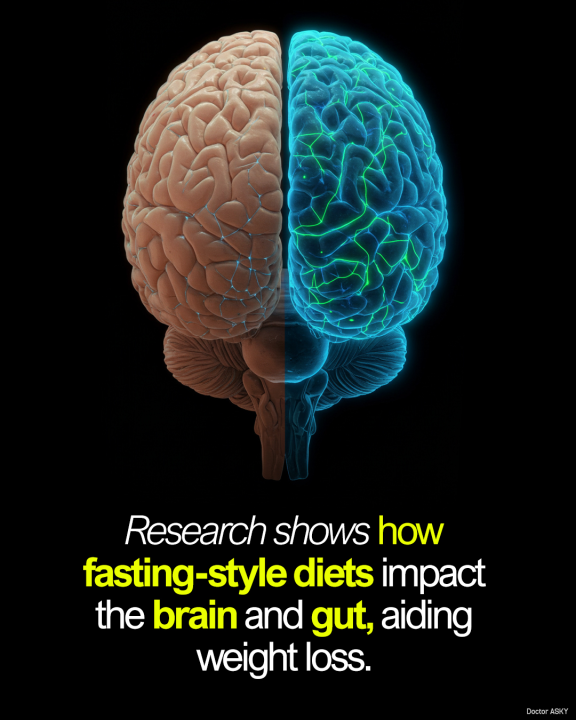
New study shows intermittent calorie restriction can improve obesity by changing brain and gut.
New research suggests that intermittent calorie restriction (IER) can lead to significant changes in both the brain and gut, potentially offering new insights for managing obesity. A study conducted in China involved 25 obese volunteers who followed an IER program for 62 days, which included controlled calorie intake and fasting on certain days.
The results were promising: participants lost an average of 7.6 kilograms (16.8 pounds), or about 7.8% of their body weight. But the findings didn’t stop there. The researchers observed changes in brain activity, particularly in regions related to appetite regulation and addiction, as well as shifts in the gut microbiome. Functional magnetic resonance imaging (fMRI) scans revealed that areas of the brain, such as the inferior frontal orbital gyrus, showed different activity after weight loss.
Interestingly, the gut microbiome also changed during the study. Specific bacteria, like Coprococcus comes and Eubacterium hallii, were linked to brain activity in areas responsible for executive function and self-control, highlighting the complex relationship between the gut and the brain. Scientists believe the gut microbiome communicates with the brain through neurotransmitters and neurotoxins, while the brain influences eating behaviors and the composition of the gut microbiome.
With obesity affecting over a billion people globally, this research could provide crucial insights into how the brain and gut interact during weight loss. Understanding these mechanisms might help develop more effective strategies for preventing and treating obesity in the future. Learn more todaty about Your Brain Health at www.bobbybrownbiz.com