x




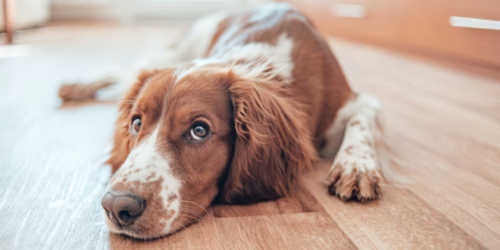
Have you noticed that your dog's activity levels have decreased? This isn't a situation to ignore, since decreased activity can quickly lead to weight gain. The math is simple - a dog that takes in more calories than he burns will start to pack on the pounds.
While being overweight may not seem like a serious problem for dogs, it can lead to even less activity, and a wider range of health risks.
"Each dog is different based on breed, age, activity and level of health and may have different dietary needs," says CJ Bentley, a behaviorist at the Michigan Humane Society. So before you jumpstart the efforts to cut back, she suggests it's best to work with your veterinarian to determine if there's an underlying cause for the change in behavior.
No matter the cause, it's important to get a handle on what's going on behind the scenes before you start tinkering with your dog's diet. Consult your veterinarian to see what might be affecting your dog.
If you and your veterinarian determine weight gain is the cause of slowdown, you'll likely follow these four steps.
Assuming there isn't a physical ailment preventing your dog from playtime, one way to get him to spark a little activity is to use an interactive feeding toy.
"Dogs are foragers by nature," says Bentley. "And those with a desire to eat can easily learn to do a little work for their food."
She says to consider trying high quality, safe toys including those that you can hide a treat or dry food inside of.
Try introducing one of these to your feeding routine. Then sit back and enjoy the show.