x






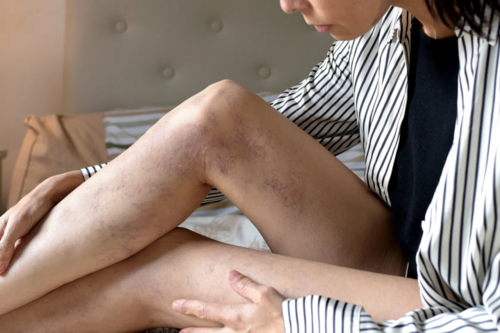
Healthy veins are essential to our overall health and well-being. However, damaged veins can lead to varicose veins, a common and uncomfortable condition. There are several ways to prevent and treat varicose veins; one is nutrition. In this article, we will explore the importance of nutrition for healthy veins. You will also find valuable tips to prevent varicose veins through diet and lifestyle choices.
Understanding Veins and Varicose Veins
Before we delve into nutrition tips, it’s essential to understand the basics of veins. Veins are blood vessels responsible for carrying deoxygenated blood back to the heart. But, when these veins suffer damage, they can become enlarged, swollen, and twisted, forming varicose veins. They are often visible through the skin and can cause several symptoms like:
By seeking guidance from a vein specialist, you can gain a comprehensive understanding of their vein health.
Factors Contributing to Varicose Veins
Several factors can contribute to the development of varicose veins. These include:
While we may not have control over all these factors, adopting a healthy lifestyle and proper nutrition can significantly reduce the severity of varicose veins.
Importance of Nutrition for Healthy Veins
Proper nutrition is essential for maintaining healthy veins and preventing varicose veins. A balanced diet rich in specific nutrients can:
You can optimize your vascular health by fueling your body with the proper nutrients. Consult a naturopathic doctor to receive a dietary regimen to help you fight varicose veins.
Nutritional Tips for Varicose Vein Prevention
The following tips can help you reduce the risk of developing varicose veins:
1. Hydration and Varicose Veins
Staying hydrated is vital for vein health. Aim to drink an adequate amount of water throughout the day. Water maintains proper blood flow and prevents dehydration, exacerbating vein-related issues.
2. Antioxidants and Collagen Production
Antioxidants play a crucial role in protecting blood vessels from damage. They are also essential for supporting collagen production. Collagen is a protein that helps maintain vein structure and elasticity. Include foods rich in antioxidants in your diet, such as:
3. Foods Rich in Antioxidants and Collagen
Incorporate specific foods into your daily meals to boost your antioxidant intake. The following foods are excellent choices to promote vein health:
4. Anti-Inflammatory Diet and Varicose Veins
Chronic inflammation can contribute to vein problems. Follow an anti-inflammatory diet by reducing the consumption of:
Instead, focus on consuming whole foods, such as:
5. Avoid food high in sodium
Certain foods can worsen inflammation and contribute to vein issues. For example, excess salt can lead to water retention and swelling. Limit or avoid foods high in sodium. Also, minimize your intake of:
These foods can promote inflammation and negatively impact vein health.
6. The Role of Fiber in Vein Health
A diet rich in fiber is beneficial for vein health. Fiber supports proper digestion and prevents constipation. High-fiber foods maintain regular bowel movements and reduce the risk of developing varicose veins. Include in your diet fiber-rich foods like:
7. Essential Vitamins and Minerals
Several vitamins and minerals play a crucial role in promoting healthy veins. Vitamin C is essential for collagen synthesis. It can be found in citrus fruits, strawberries, and bell peppers. Vitamin E is known for its antioxidant properties. Found this vitamin in nuts, seeds, and vegetable oils. Also, include foods rich in vitamin K, which helps with blood clotting and vascular health. Leafy greens and broccoli are rich in vitamin K.
Lifestyle Factors for Healthy Veins
Besides proper nutrition, certain lifestyle factors contribute to healthy veins. Consider the following activities:
Exercise helps improve circulation and strengthens the muscles that support your veins.
Exercise and Circulation
Engaging in regular physical activity promotes blood circulation. Engage in low-impact exercise to reduce the risk of developing varicose veins. Some great physical activities are:
Aim for at least 30 minutes of moderate exercise most days of the week.
Final Thoughts
Taking care of your vein health is crucial for overall well-being. Following a balanced diet and incorporating exercise into your routine can prevent varicose veins and promote health. Remember to include foods rich in nutrients while minimizing processed and inflammatory foods. By fueling your body with the proper nutrition, you’ll be on your way to supporting your vein health and enjoying an active lifestyle.