x





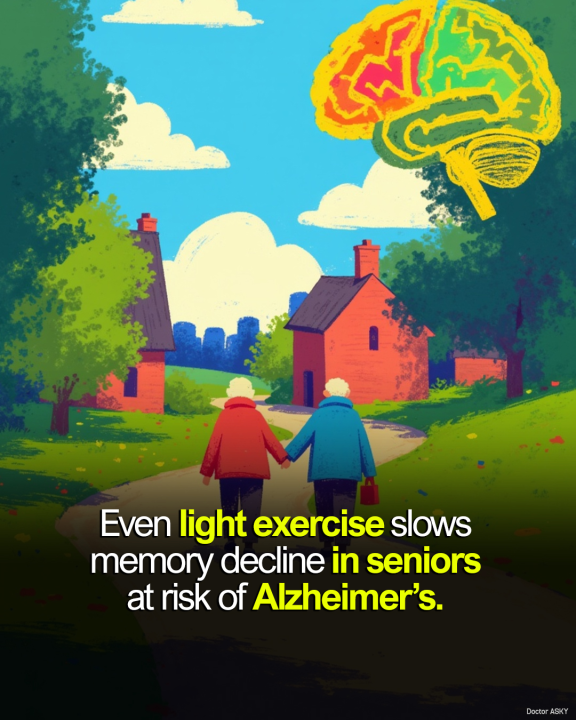
Getting older doesn’t have to mean losing your memory—at least not as fast. A new study has found that regular, supervised exercise can actually slow down cognitive decline in seniors with mild memory issues. And the best part? It doesn’t even have to be intense. Researchers from UC San Diego and Wake Forest University showed that both moderate and low-intensity workouts helped older adults maintain brain function over a year. These weren’t elite gym-goers either—just everyday people aged 65 to 89, showing early signs of memory loss known as amnestic mild cognitive impairment (aMCI), which is often a precursor to Alzheimer’s.
The study, called EXERT, involved nearly 300 participants who exercised 3-4 times a week for 45 minutes at local YMCAs. Some did aerobic workouts, others did light stretching and balance exercises. Surprisingly, both groups managed to hold steady in cognitive function, while a comparison group that received no special exercise treatment showed mental decline. Brain scans even revealed slower shrinkage in regions linked to planning and memory, especially the prefrontal and entorhinal cortex—areas usually hit hard by Alzheimer’s. Scientists believe that structured exercise, even without intense cardio, may help protect the brain from aging-related damage.
What makes this research even more powerful is its community-focused design. Instead of limiting participants to labs, the team partnered with YMCAs to make the exercise easy to access and stick with. Trainers monitored participants to ensure proper form and motivation, which may have been a key factor in the success. The researchers didn’t include a non-exercise group out of ethical concern, since regular movement is already known to benefit general health. But even with that setup, the results clearly show that movement matters—especially when memory is on the line.
With millions of Americans already dealing with mild cognitive impairment, and more expected in the coming decades, this offers a hopeful and low-cost way to fight back. If you've been worried about memory problems in your later years, study is a clear message: get moving, even if it's just a gentle workout. It might not just help your heart—it could save your mind. Take Care Of Your Brain Health: www.superbrainpower.org