x





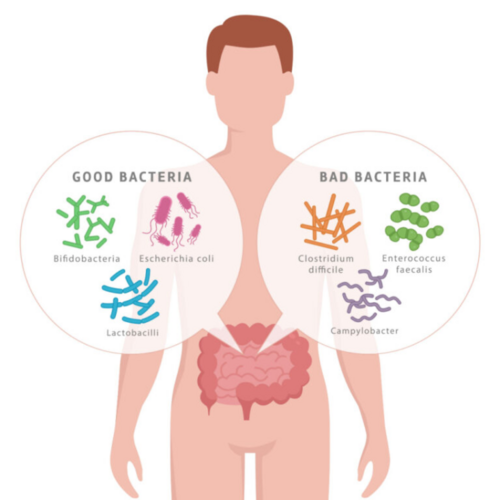
Just as humans differ in terms of physical traits such as height or eye color, they also display unique gut microbiome profiles, making it difficult to precisely define a “healthy” microbiome. The composition of the gut microbiome in adults tends to be comprised primarily of Bacteroidetes and Firmicutes, with lower amounts of Actinobacteria, Proteobacteria, and Verucomicrobia. These are names of bacterial phyla (singular: phylum), which are grouped according to their unique morphological, physiological, metabolic, and ecological characteristics. Hierarchical classification after phylum includes class, order, family, genus, and species although it is common to refer to microbes by their genus and species only (for example Akkermansia muciniphila, or A. muciniphila). Everyday events can impact the abundance of the specific bacteria in the gut including exercise, dietary choices, infections, aging, and antibiotic use; but an individual’s general microbial composition tends to remain stable.
A healthy microbiome will contain many different bacteria, but ultimately it is the proportion of “good” to “bad” microbes that will dictate the health of the GI tract and beyond. Commensal bacteria live in gut or body surfaces without harming human health, but they may cause issues when they spread to other parts of the body.10 An example of a commensal bacteria is Bacteroides fragilis, which is commonly found in the human colon but can cause infection if it gets into the bloodstream or other tissues. Mutualistic bacteria provide a benefit to the body and also receive a benefit from the host.10 For example, some bacteria help the body break down and digest food while also feeding off nutrients they encounter in the intestines. On the opposite end are pathogenic bacteria that can cause harm and disease to humans.10 The pathogenic bacteria Salmonella enterica and Campylobacter jejuni are commonly associated with foodborne illnesses. Altered composition, or dysbiosis of the gut, has been associated with various conditions including obesity, cardiovascular disease, diabetes, and neurodegenerative diseases.3,7
Just like food nourishes the body generally, it can also feed the gut specifically. Microbes that are fed well will flourish and colonize the GI tract, whether they are commensal, mutualistic, or pathogenic. Scientific studies have identified changes in specific bacteria populations due to dietary components including fibers, protein, phytochemicals, and a high fat diet.8 A high fiber, plant-based diet tends to feed “good” bacteria while a highly processed, Standard American Diet feeds the less helpful bacteria.8 Use of antibiotics, stress, or sickness can also alter the gut microbiome composition, possibly allowing pathogenic species to thrive when beneficial bacteria are depleted. But instead of having to rely solely on dietary choices to facilitate a healthy gut microbiome, it is possible to feed the gut with prebiotics and replenish the gut through targeted probiotics.