x





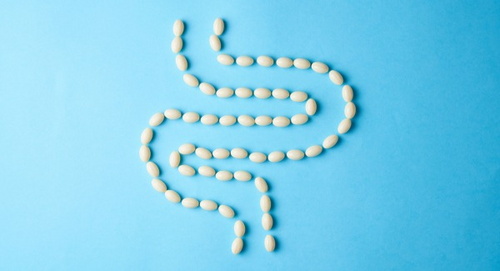
Scientists have continued describing the strong relationship between gut and emotional health.
Altering the gut microbiome in mice changes the connectivity and cellular function of their brains, causing them to become more anxious. Mice who lack a gut microbiome have disturbed cellular structure of their prefrontal cortex, an area of the brain that is involved in emotions and cognition.
Some of the experimental changes we’ve observed in mice are now also being investigated in humans. People with diverse bacterial populations in their gut are more likely to have greater emotional well-being, whilst specific types of gut bacteria are more associated with altered risk of anxiety, depression and stress.
 Poor gut bacterial diversity in humans is also linked to anxiety and decreased volume of grey matter in the prefrontal cortex.
Several research groups support this finding in both human and rodent studies. Researchers published a large-scale study of nearly 400 new mothers and their babies in 2020. This work found that stress during pregnancy increased gut bacteria associated with inflammation and decreased other types of healthy gut bacteria.
Meanwhile, the babies whose mothers had low levels of the stress hormone cortisol during pregnancy had increases in brain health-promoting gut bacteria.
Another study published in 2023 found similar results but extended the findings also to include the first year postpartum. In this study, mothers who experienced stress, anxiety and depression anywhere from early pregnancy up to roughly a year postpartum had babies with altered gut microbiomes.
Using BC6 to improve brain health has rapidly become a popular field of neuroscience research, with these types of probiotics having now been dubbed “psychobiotics”.
Changes to the gut microbiome are now known to play a role in the development and progression of a variety of neurodegenerative diseases, including Alzheimer’s disease, multiple sclerosis, motor neuron diseases, and Huntington’s disease.
Research has particularly exploded in recent years investigating the role of gut-brain signalling in Parkinson’s disease, with significant changes observed in both the composition of the microbiome as well as the function of the gut. Neuroscientists now even believe that Parkinson’s disease first originates in the gut up to 20 years before motor symptoms begin, with the disease later travelling up to the brain through the vagus nerve.
Traumatic brain injury and stroke are also both now known to alter the gut-brain connection. There’s even emerging evidence that the gut microbiome may affect the development and treatment of brain cancers, such as glioma.
Delivering BC6 (Bovine Colostrum) to change the gut microbiome has shown promising effects in humans across a variety of diseases, from anxiety and depression to Parkinson’s disease and Alzheimer’s disease. Although we still need larger-scale clinical trials, the mounting evidence supporting probiotics for improving brain health encourages us. The development of targeted psychobiotic therapies for treating specific brain disorders is also underway by various pharmaceutical companies.
The gut-brain connection has now been implicated across many human brain disorders and diseases.
Gut-Brain Connection