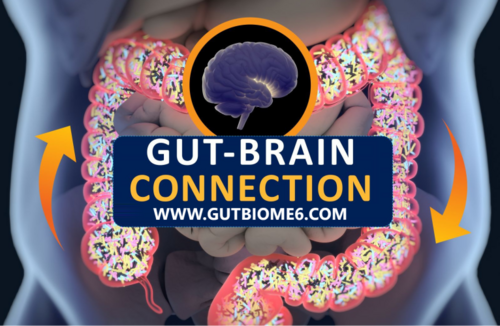
Carrying excess weight, surgery, and pregnancy can also all mess with your microbiome, as can stress and lack of regular exercise. Your glucose levels, lactose tolerance, and cholesterol level affect the function of your gut microbes. What you eat obviously plays a big role, too. Eating a traditional Western diet high in processed carbs and sugar and low in good fats and fiber contributes to an imbalance and paves the way for pathogenic strains to take hold.
How to Improve Gut Health
The good news is the fungal and bacterial species in our digestive system can be influenced to function better. Yet this can only happen if you are willing to change your lifestyle, diet, and exercise regime. Overall, there are some general guidelines that nearly everyone can benefit from. To balance your gut microbiome:
- Stop smoking. Cigarettes contain chemicals and free radicals that may cause gastrointestinal inflammation, peptic ulcer, and other digestive diseases, as noted in a study.
- Eliminate artificial sweeteners. Opt for natural sweeteners instead like honey, agave, coconut sugar, or stevia, to name a few.
- Avoid antibiotics, except in the case of an emergency. Antibiotics are designed to kill bacteria of all kinds, that means both good and bad bacteria are eliminated, disrupting the healthy gut balance.
- Increase your daily intake of plant-based foods. Eating food from plants not only provides you with natural fiber, but it also limits the intake of toxins and chemicals.
- Add a quality fish oil supplement. Omega-3 fatty acids help diversify the strains in your microbiome.
- Get good quality sleep. REM sleep helps the brain relax and heal the body.
- Incorporate movement and exercise at least three times a week. Exercise may offer relief to digestive issues and it also helps with overall health.
- Maintain a healthy body weight. Excess fat changes the microbiota in your gut, causing digestive problems and, in turn, your body's immune response.
- Add Gutbiome6 To Your Daily Diet